
The journey to becoming a physician is a demanding yet profoundly rewarding path, and for aspiring medical professionals aiming for the University of Colorado School of Medicine (CUSOM), strategic preparation is paramount. In a highly competitive landscape, understanding the nuances of CUSOM’s admissions process, its unique educational philosophy, and the specific qualities it seeks in its future medical students is crucial. This comprehensive guide is designed to demystify the application journey, providing aspiring physicians with the insights and strategies needed to navigate the complexities of CUSOM admissions successfully. We will delve into what makes CUSOM a distinguished institution, how to meticulously craft a compelling application, master the essential supplementary assessments, excel in the interview process, and understand the financial and logistical aspects of attending. By approaching the CUSOM admissions process with informed strategy and genuine understanding, applicants can significantly enhance their chances of embarking on a transformative medical education.
This blog will cover:
- Your Strategic Path to CUSOM
- Why a Strategic Guide Matters for CUSOM Applicants
- Section 1: Why CUSOM? Understanding the Heart of the Program
- Section 2: Crafting Your Application: Standing Out in a Competitive Pool
- Section 3: Mastering the Altus Suite: Casper, Snapshot, and Duet
- Section 4: The Interview: Your Final Opportunity to Shine
- Section 5: Beyond Acceptance: Financial Aid and Resources
- Section 6: Next Steps and Strategic Considerations
- Conclusion
Your Strategic Path to CUSOM
Embarking on the path to medical school requires more than just academic excellence; it demands a deep understanding of the institutions you wish to join. The University of Colorado School of Medicine (CUSOM) stands as a beacon of innovation and commitment in medical education, attracting a diverse and talented pool of applicants each year. Successfully navigating its admissions process means aligning your aspirations with CUSOM’s distinctive mission, values, and innovative curriculum.
Welcome to the University of Colorado School of Medicine
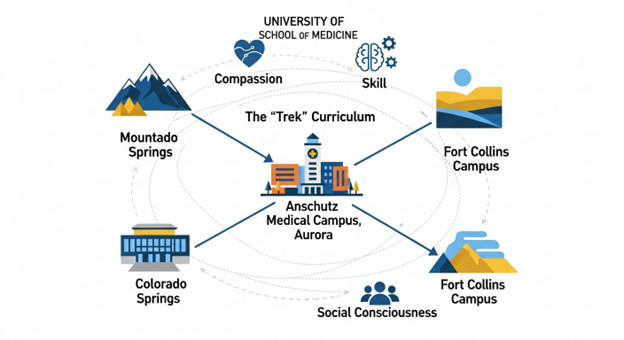
Located within the vibrant Anschutz Medical Campus in Aurora, Colorado, the University of Colorado School of Medicine is a premier institution dedicated to advancing health through education, research, and patient care. CUSOM is renowned for its forward-thinking “Trek” curriculum, which emphasizes early clinical exposure, longitudinal learning, and the development of physicians equipped to meet the evolving healthcare needs of Colorado and beyond. The school fosters a collaborative environment and is committed to training compassionate, skilled, and socially conscious medical professionals. Its programs extend beyond the main campus, with unique educational experiences offered at its branch campuses, including those in Colorado Springs and Fort Collins, each providing distinct learning opportunities and community engagement.
Why a Strategic Guide Matters for CUSOM Applicants
The admissions process for top medical schools like CUSOM is intensely competitive. With thousands of highly qualified individuals applying for a limited number of spots, a strategic approach is not merely beneficial—it’s essential. This guide serves as a vital roadmap, cutting through the complexity to provide targeted advice. It aims to help applicants understand precisely what CUSOM is looking for, how to best present their experiences and qualifications, and how to articulate their unique fit with the school’s educational philosophy and community. By offering insights into CUSOM’s specific values, curriculum structure, and assessment methods, this guide empowers applicants to craft applications that are not only competitive but also authentically reflective of their potential as future physicians.
What This Guide Will Cover
This comprehensive guide is meticulously structured to equip you with the knowledge needed for a successful application to the University of Colorado School of Medicine. We will begin by exploring the core identity of CUSOM, delving into its mission, values, and its groundbreaking “Trek” curriculum, alongside special programs and dual degree opportunities. Subsequently, we will provide a detailed breakdown of the application process itself, covering academic prerequisites, the significance of various experiences, and how to craft compelling essays and secure strong Letters of Recommendation. A dedicated section will address the increasingly important Altus Suite assessments (Casper, Snapshot, and Duet) and offer strategies for excelling in them. We will then guide you through the interview process, detailing expectations and how to showcase your suitability for CUSOM. Finally, we will touch upon the financial aspects, student life, and crucial next steps, including reapplication strategies and alternative paths within Colorado.
Section 1: Why CUSOM? Understanding the Heart of the Program
Choosing a medical school is a pivotal decision that shapes not only your education but also your future career and impact on patient care. Understanding the fundamental ethos of an institution like the University of Colorado School of Medicine is the first step in ensuring a strong alignment between your personal and professional goals and the school’s offerings. This section explores the core mission, innovative curriculum, and unique programmatic pathways that define CUSOM.
The CUSOM Mission & Values: What Truly Drives Admissions
The University of Colorado School of Medicine is guided by a profound mission: to improve health and reduce suffering through excellence in education, research, and patient care. This mission permeates every aspect of the school, from its curriculum design to its selection of medical students. Admissions decisions are not solely based on academic metrics but are deeply rooted in a holistic review that seeks to identify individuals who embody CUSOM’s core values. These values, often articulated through the pillars of Leadership, Curiosity, and Commitment, are foundational to what CUSOM seeks in its applicants.
Leadership at CUSOM signifies an ability to inspire, influence, and take initiative. Curiosity reflects a genuine thirst for knowledge, a drive to explore new ideas, and a commitment to lifelong learning, essential traits for a rapidly evolving field like medicine. Commitment encompasses dedication to service, patient advocacy, and a persistent pursuit of excellence, whether in academic endeavors, research, or community engagement. Applicants are expected to demonstrate these qualities not just through their experiences but also through their reflections and how they articulate their motivations for pursuing a career in medicine at CUSOM. Understanding and aligning your application with these core pillars is paramount to showcasing your fit with the institution.
Decoding the “Trek” Curriculum: A Unique Learning Journey
CUSOM’s distinctive “Trek” curriculum is a cornerstone of its educational philosophy, designed to provide medical students with an exceptional foundation for a future in medicine. This innovative model shifts away from a traditional, rigid two-year preclinical phase. Instead, the “Trek” curriculum integrates scientific learning with early and continuous clinical experiences, emphasizing a longitudinal approach to medical education.
The curriculum is structured into distinct phases, each building upon the last. The Plains phase, typically the first year, introduces foundational medical sciences in an integrated manner, with early exposure to the clinical environment through shadowing and small group discussions. The Foothills phase, usually in the second year, deepens the understanding of pathophysiology and therapeutics while significantly increasing direct patient interaction through a longitudinal integrated curriculum (LIC) model. This LIC component allows students to follow patients throughout their care journey, fostering a more comprehensive and empathetic understanding of the patient experience and the complexities of disease management.
The Alpine phase, in the third year, focuses on advanced scientific concepts and specialized clinical rotations, allowing students to explore various medical disciplines in depth. Finally, the Summit phase, the fourth year, is dedicated to solidifying clinical skills, preparing for residency, and engaging in sub-internships and electives that align with career aspirations. This phased approach ensures that medical students at CUSOM gain a robust understanding of medicine, develop critical thinking skills, and cultivate exceptional patient care abilities in a progressive and integrated manner. The emphasis on early clinical exposure means that students begin applying their knowledge in real-world settings from the outset of their medical training.
Beyond the MD: Dual Degrees and Special Programs
Recognizing that aspiring physicians often have diverse interests and career goals, the University of Colorado School of Medicine offers a range of dual degree programs and special pathways designed to enrich the educational experience and prepare students for specific contributions to medicine and public health. These programs cater to students interested in research, global health, public policy, and addressing specific health needs within the Colorado region.
One significant offering includes the MD-MS in Biomedical Informatics and MD-MS in Epidemiology programs, allowing students to gain advanced training and research experience in these critical fields alongside their medical degree. For those passionate about global health, CUSOM provides opportunities for international electives and research collaborations.
Furthermore, CUSOM’s commitment to serving the diverse health needs of Colorado is evident in its specialized tracks and branch campus programs. The school has distinct campuses in Colorado Springs and Fort Collins, each offering a unique educational environment. The Colorado Springs campus provides a more intimate learning setting, fostering strong faculty-student relationships and focusing on community-based health initiatives. The Fort Collins campus, often characterized by its “One Health” approach, emphasizes the interconnectedness of human, animal, and environmental health, preparing students to address complex health challenges from a broader perspective. These specialized programs and branch campus experiences allow students to tailor their medical education to their specific interests and contribute meaningfully to the health landscape of Colorado.
Section 2: Crafting Your Application: Standing Out in a Competitive Pool
The application to medical school is a multi-faceted process that requires meticulous planning, authentic self-reflection, and strategic presentation. For the University of Colorado School of Medicine, this involves navigating the standard AMCAS (American Medical College Application Service) Primary Application, responding thoughtfully to CUSOM’s Secondary Applications, and presenting a well-rounded profile that highlights academic achievement, meaningful experiences, and personal qualities. This section details the essential components of creating a standout application.
The Application Timeline: Navigating the Process with Precision
Understanding and adhering to the application timeline is critical for a successful submission to CUSOM. The process typically begins in the spring or early summer, with the opening of the AMCAS application. This is when prospective medical students submit their undergraduate transcripts, course information, standardized test scores (including the MCAT), and an initial draft of their Personal Statement.
Following the submission of the Primary Application to AMCAS, CUSOM, like many other medical schools, will review applicants and invite a subset to complete their Secondary Applications. These secondary applications are specific to CUSOM and usually include additional essays that prompt applicants to elaborate on their motivations, experiences, and how they align with the school’s mission and values, particularly concerning Colorado and its communities. Timeliness is crucial; prompt submission of the secondary application after receiving it is highly recommended, as admissions committees often review applications on a rolling basis.
After reviewing the complete application, including the primary and secondary submissions, Letters of Recommendation, and any other required materials, CUSOM extends invitations for interviews. This entire process typically spans from late summer through the fall and into the winter. Early preparation and submission are key to maximizing your chances of progressing through each stage of the application process.
Academic Foundations: Beyond Just Numbers in GPA and MCAT
While a strong academic record is a fundamental requirement for admission to any medical school, CUSOM, in line with its commitment to holistic review, looks beyond mere numbers to understand an applicant’s academic journey. The Grade Point Average (GPA) and the Medical College Admission Test (MCAT) are significant indicators of an applicant’s ability to handle the rigorous coursework in medical school. However, CUSOM also values the context surrounding these metrics.
Admissions committees will consider the rigor of your undergraduate program, the trend of your grades, and any extenuating circumstances that may have influenced your academic performance. An upward trend in GPA, particularly in challenging science courses, can demonstrate resilience and a growing capacity for academic success. Similarly, a strong MCAT score, typically above the national average, is important, but it is the thoughtful reflection on the knowledge gained and the ability to apply it that truly resonates. For instance, while the median MCAT score at CUSOM is competitive, the admissions team emphasizes understanding how applicants have used their academic preparation to inform their pursuit of medicine. They seek individuals who not only possess intellectual capacity but also demonstrate a genuine, well-informed passion for the field, often evidenced through their understanding of the basic sciences and their connection to clinical application.
Essential Experiences: Demonstrating Your Commitment to Medicine
Meaningful experiences are pivotal in showcasing your dedication to medicine and your preparedness for the demands of medical school and the career of a physician. CUSOM seeks applicants who have engaged in activities that provide exposure to patient care, foster leadership, demonstrate a commitment to service, and encourage intellectual curiosity.
Clinical experience is paramount. This involves direct interaction with patients, whether through volunteering in hospitals or clinics, working as an EMT, or engaging in other roles that offer insight into the patient-physician dynamic. These experiences should provide opportunities to develop empathy, communication skills, and an understanding of the healthcare environment. Research experience is also highly valued. CUSOM encourages applicants to engage in research that demonstrates intellectual curiosity and a capacity for critical thinking. This can range from bench research to clinical or translational studies. Longitudinal involvement in research, where you can show progression and contribution, is often more impactful than sporadic participation.
Beyond clinical and research roles, demonstrating leadership and community engagement is crucial. Leadership can be shown in various capacities, from leading student organizations to taking initiative in volunteer projects. Commitment to service, particularly within the Colorado community, is often a distinguishing factor. Activities that highlight your understanding of the unique health needs of Colorado and your desire to serve its diverse populations will be viewed favorably. These experiences collectively paint a picture of a well-rounded individual who is not only academically capable but also passionate, compassionate, and ready to contribute to the medical community.
Compelling Narratives: Personal Statement and Letters of Recommendation
Your Personal Statement and Letters of Recommendation are critical components of your application that allow you to articulate your story and provide external validation of your character and potential. The Personal Statement, submitted as part of your Primary Application via AMCAS, is your opportunity to convey your unique journey, motivations for pursuing medicine, and why CUSOM is the ideal place for you to achieve your goals. CUSOM’s admissions committee seeks authenticity, clarity, and a compelling narrative that demonstrates congruity between your stated aspirations and your demonstrated experiences. They look for an applicant’s ability to reflect deeply on their experiences, showcasing growth, resilience, and a clear understanding of the physician’s role.
Letters of Recommendation (LORs) provide essential third-party perspectives on your capabilities. For CUSOM, it is advisable to secure letters from individuals who know you well in academic and professional capacities, such as science professors, research mentors, and supervisors from clinical or volunteer experiences. A strong LOR goes beyond simply stating that you are a good student; it offers specific anecdotes and insights into your character, work ethic, interpersonal skills, intellectual curiosity, and potential for success in medical schools. It is beneficial to provide your recommenders with your CV, Personal Statement, and any information about CUSOM’s mission and values to help them write a more tailored and impactful letter. These narratives, when crafted thoughtfully, are essential for painting a comprehensive and persuasive portrait of your candidacy.
Section 3: Mastering the Altus Suite: Casper, Snapshot, and Duet
In recent years, the University of Colorado School of Medicine, like many other leading medical schools, has incorporated the Altus Suite (administered by Acuity Insights) as part of its admissions process. This suite of assessments is designed to evaluate non-cognitive skills and personal attributes that are crucial for success in medical school and the practice of medicine. Understanding each component and how CUSOM utilizes them is vital for applicants.
What is the Altus Suite (Acuity Insights)? An Overview
The Altus Suite is a set of online assessments designed to evaluate attributes such as empathy, professionalism, ethical reasoning, communication skills, and alignment with program values. It consists of three main components: Casper (Computer-Based Assessment for Sampling Personal Characteristics), Snapshot (a one-way video interview), and Duet (a tool for assessing value alignment). CUSOM employs these tools to gain a more comprehensive understanding of applicants beyond traditional academic metrics like GPA and MCAT scores, recognizing that these non-cognitive attributes are strong predictors of future success as medical students and physicians. The goal is to assess an applicant’s suitability for the demanding and humanistic field of medicine.
Casper: Demonstrating Ethical Reasoning and Professionalism
The Casper test is a standardized, online, situational judgment test. It presents applicants with a series of video and text-based scenarios, each followed by a set of multiple-choice questions and two open-ended questions. The scenarios are designed to simulate real-life situations that a medical professional might encounter, often involving ethical dilemmas, interpersonal conflicts, or challenging patient interactions. Casper assesses key attributes such as ethical judgment, empathy, fairness, resilience, and the ability to work collaboratively.
To prepare for Casper, focus on understanding ethical frameworks and practicing how to articulate your thought processes clearly and concisely. When responding, demonstrate your ability to consider different perspectives, weigh potential consequences, and arrive at a reasoned and professional course of action. For CUSOM, Casper serves as a crucial tool to evaluate how applicants might handle the complex humanistic and ethical challenges inherent in patient care and the medical profession.
Snapshot: Showcasing Your Personality and Communication Skills
Snapshot is a one-way video interview component of the Altus Suite. It requires applicants to record their responses to a series of prompts within a set time limit. This assessment is designed to evaluate an applicant’s communication skills, clarity of thought, and ability to articulate their personality and experiences in a dynamic format. While some schools have made Snapshot a mandatory component, others use it more selectively.
For CUSOM, the emphasis is on authentic expression and clear communication. Applicants should practice speaking articulately, maintaining eye contact with the camera, and conveying their personality and genuine interest in medicine. While it’s an interview, it’s also an opportunity to showcase your ability to think on your feet and communicate effectively, qualities essential for effective patient care and teamwork in a medical setting. Practicing with a timer and receiving feedback on your delivery can be beneficial in preparing for this component.
Duet: Aligning with Program Preferences and Values
Duet is the final component of the Altus Suite and serves as a valuable tool for assessing an applicant’s alignment with CUSOM’s specific preferences and values. Duet presents applicants with a list of training characteristics (e.g., “opportunities for research,” “emphasis on patient advocacy,” “community-based learning”) and asks them to rank their preferences for these characteristics. They are then asked to rank how important these same characteristics are to the specific program, in this case, CUSOM.
This assessment allows CUSOM to gauge the degree to which an applicant’s aspirations and priorities align with what the school offers and emphasizes. For example, if CUSOM has a strong emphasis on research, and an applicant also highly values research opportunities and ranks them as important for CUSOM, this indicates a strong potential fit. Conversely, if an applicant prioritizes aspects that CUSOM does not heavily focus on, it might suggest a less ideal match. Carefully consider CUSOM’s mission, curriculum, and unique programs when completing Duet to demonstrate a thoughtful and informed choice.
Section 4: The Interview: Your Final Opportunity to Shine
The interview stage represents a critical juncture in the University of Colorado School of Medicine admissions process. It is a two-way street, offering CUSOM the opportunity to assess your personality, communication skills, critical thinking, and overall fit with the institution, while also providing you with a chance to further explore the school and ask questions that will help you determine if it’s the right environment for your medical education. Preparing thoroughly for the interview is essential for making a strong and lasting impression.
CUSOM Interview Formats: What to Expect
CUSOM typically employs a multifaceted interview format, often involving a combination of traditional one-on-one interviews and a group interview component. The traditional interview allows for a deeper dive into your application, experiences, and motivations. Interviewers, who may be faculty members, admissions committee members, or current medical students, will ask questions designed to elicit thoughtful responses about your experiences, your understanding of medicine, your problem-solving abilities, and your reasons for applying to CUSOM.
The group interview component, a feature at many medical schools, is designed to assess your ability to collaborate, communicate effectively with peers, and contribute constructively to group discussions. These interviews often involve team-based problem-solving exercises or discussions on current healthcare topics. The focus here is less on individual “right” answers and more on observing your interaction dynamics, listening skills, and ability to work cohesively with others. Familiarizing yourself with potential interview question types and practicing your responses, both individually and in a group setting, will enhance your confidence and performance.
Demonstrating Fit and Key Qualities
During your CUSOM interview, the goal is to authentically demonstrate that you are a strong candidate who aligns with the school’s mission and values, particularly its pillars of Leadership, Curiosity, and Commitment. Interviewers will be looking for evidence of these qualities throughout your responses. For Leadership, share examples where you took initiative, motivated others, or managed a project to successful completion. When discussing Curiosity, highlight instances where you pursued knowledge beyond the required curriculum, engaged in critical thinking, or asked insightful questions about medicine, research, or patient care. Your Commitment can be demonstrated through long-term dedication to volunteering, service, your chosen extracurricular activities, or your perseverance through challenging experiences.
Beyond these pillars, CUSOM seeks candidates who exhibit strong communication skills, empathy, ethical reasoning, and a genuine interest in serving the Colorado community. Be prepared to discuss your Personal Statement, your experiences in depth, and your understanding of the challenges and rewards of a career in medicine. Your ability to articulate your motivations clearly, reflect on your experiences constructively, and engage thoughtfully with your interviewers will be key indicators of your suitability for CUSOM.
Engaging Thoughtfully: Questions to Ask Your Interviewers
An interview is a dialogue, not an interrogation. Preparing thoughtful questions to ask your interviewers demonstrates your engagement, curiosity, and genuine interest in CUSOM. These questions should go beyond information readily available on the school’s website. They offer an opportunity to gain deeper insights into the student experience, the curriculum’s practical application, and the school’s culture.
Consider asking about the specific day-to-day experiences of medical students in different phases of the “Trek” curriculum, the opportunities for research or community patient care engagement, or the support systems available for medical students. You might inquire about how CUSOM fosters leadership skills or how faculty members support student curiosity. Questions about the transition from preclinical sciences to clinical rotations, or about post-graduation pathways like Residency, can also be insightful. Frame your questions respectfully and ensure they reflect genuine curiosity about the CUSOM experience and your potential future as a physician within its community.
Section 5: Beyond Acceptance: Financial Aid and Resources
Securing an offer of admission to the University of Colorado School of Medicine is a significant achievement. However, the journey continues with understanding the financial implications of medical education and the resources available to support students throughout their studies. Navigating tuition, living expenses, and financial aid is a crucial aspect of planning for medical school.
Understanding the Costs: Tuition and Expenses per Academic Year
The cost of medical education at CUSOM, like other institutions, includes tuition, fees, and living expenses. For the Class of 2026, the average four-year cost of attendance at public medical schools is approximately $297,745 Kaplan Test Prep, March 2026 (citing AAMC data). While exact figures for CUSOM will vary and are subject to change annually, prospective students must budget for tuition, mandatory fees, health insurance, books, supplies, and personal living costs. It is essential to consult the official CUSOM website for the most up-to-date financial information and estimated cost of attendance for each academic year. Planning for these expenses is a critical step in ensuring financial readiness for medical school.
In-State vs. Out-of-State: Navigating Applicant Preferences
The University of Colorado School of Medicine, as a public institution, considers the residency status of its applicants. While CUSOM does not have a strict quota system, Colorado residents are generally well-represented in the incoming classes. This preference for in-state applicants is common among public medical schools, as they are primarily funded by state taxes. This means that Colorado residents may find the admission statistics slightly more favorable compared to out-of-state applicants, although all applicants are evaluated based on the same rigorous criteria. Demonstrating a strong commitment to Colorado and its communities, through your experiences and essays, can further strengthen your application, regardless of your residency status. Understanding this preference is important for setting realistic expectations and focusing your application strategy.
Student Life and Support Services at CU Anschutz
The CU Anschutz Medical Campus offers a vibrant and supportive environment for its medical students. Beyond academics, CUSOM provides a comprehensive array of student services designed to support personal well-being, academic success, and professional development. These services include academic advising, career counseling, mental health and wellness programs, and student organizations that cater to a wide range of interests, from specialty interest groups to cultural and recreational clubs.
The campus fosters a sense of community among medical students, encouraging collaboration and peer support. Resources are available to help students manage the stresses of medical school, navigate academic challenges, and explore various career paths, including insights into Residency applications. The strong emphasis on holistic development ensures that students are not only well-prepared academically but are also supported in becoming resilient, well-rounded individuals ready to embark on their medical careers. The university also offers robust financial aid offices to assist students in managing the costs associated with their medicine education.
Section 6: Next Steps and Strategic Considerations
Upon completing the initial application and interview stages, or for those considering reapplying, understanding strategic next steps is crucial. This includes evaluating application performance, strengthening areas for improvement, and considering the broader landscape of medical education opportunities within Colorado.
Reapplication Strategies: When and How to Strengthen Your Profile
For applicants who are not initially successful in gaining admission, a reapplication to CUSOM is a viable path. The key to a successful reapplication lies in identifying weaknesses in the initial application and strategically addressing them. This involves a thorough self-assessment: reviewing feedback (if provided), re-evaluating your GPA, MCAT scores, Personal Statement, Letters of Recommendation, and the depth and breadth of your experiences.
Consider gaining further clinical experience, engaging in more significant research, taking on greater leadership roles, or deepening your understanding of medicine and patient care. If your MCAT scores are below the median, dedicated study and retaking the exam may be beneficial. Your Personal Statement should be revised to reflect new experiences and a more profound understanding of your motivations and CUSOM’s values. It’s also important to note CUSOM’s specific policies regarding reapplication, such as whether update letters are accepted or if a new Personal Statement is required. By demonstrating significant growth and continued commitment, a reapplication can be highly successful.
Exploring Other Colorado Medical Schools: Rocky Vista University College of Osteopathic Medicine
While CUSOM is a highly sought-after institution, exploring other medical schools within Colorado can provide valuable alternative pathways for aspiring physicians. One prominent option is Rocky Vista University College of Osteopathic Medicine (RVUCOM), which has campuses in Parker and Ivins, Utah. RVUCOM offers an osteopathic medical education, emphasizing a holistic approach to patient care and the body’s interconnectedness.
Applicants should research the differences between allopathic (MD) and osteopathic (DO) medical education and consider which approach best aligns with their personal and professional goals. RVUCOM, like CUSOM, seeks well-rounded individuals with a commitment to service and a passion for medicine. Understanding the admission requirements, curriculum, and unique offerings of institutions like RVUCOM can help applicants create a comprehensive and well-informed strategy for pursuing their career in medicine within the state of Colorado. Each institution, including CUSOM and RVUCOM, offers a distinct path to becoming a physician.
Conclusion
Navigating the admissions process for the University of Colorado School of Medicine requires a strategic, informed, and authentic approach. By thoroughly understanding CUSOM’s mission, its innovative “Trek” curriculum, and the core values of leadership, curiosity, and commitment, applicants can better align their aspirations with the institution’s ethos. Crafting a compelling application involves meticulous attention to academic preparation, meaningful experiential engagement, and the articulation of a clear, congruent narrative through essays and letters of recommendation. Mastering the Altus Suite assessments—Casper, Snapshot, and Duet—is crucial for demonstrating non-cognitive skills and value alignment. Excelling in the interview process by showcasing fit, engaging thoughtfully, and demonstrating key qualities will be your final opportunity to shine. Finally, understanding the financial realities, available support services, and strategic considerations for reapplication or exploring other institutions like Rocky Vista University College of Osteopathic Medicine, ensures a comprehensive approach to embarking on your career in medicine. Ultimately, success at CUSOM hinges on presenting a well-rounded, authentic individual who is not only academically prepared but also deeply committed to the values and mission of this distinguished medical school, ready to contribute to patient care and the advancement of medicine in Colorado and beyond.
Frequently Asked Questions About University of Colorado School of Medicine
1. What GPA do you need to get into University of Colorado School of Medicine?
The average GPA for matriculants at the University of Colorado School of Medicine is 3.78. The school evaluates both science and overall GPA, and competitive applicants generally present a cumulative GPA above 3.7. Because CU strongly favors Colorado residents, in-state applicants with slightly lower GPAs may still be competitive if other parts of their application are strong.
2. What MCAT score do you need for University of Colorado School of Medicine?
The average MCAT score for enrolled students at the University of Colorado School of Medicine is 517, which places accepted students roughly in the 94th percentile nationally. Competitive applicants typically score 515 or higher, with balanced section scores across all four areas. Out-of-state applicants are generally expected to present scores at or above the class average to offset the school’s strong preference for Colorado residents.
3. What is the acceptance rate at University of Colorado School of Medicine?
The University of Colorado School of Medicine has an overall acceptance rate of approximately 1.74%, based on 181 matriculants from roughly 10,405 total applicants. This is among the more selective public medical schools in the country when viewed from a raw percentage standpoint. However, the acceptance rate for Colorado residents is significantly higher, making residency status one of the most important factors in the application.
4. How many people apply to University of Colorado School of Medicine each year?
Approximately 10,405 applicants apply to the University of Colorado School of Medicine each cycle, making it one of the more heavily applied-to public medical schools. Of those, around 690 applicants are invited to interview, and roughly 181 ultimately matriculate. The school enrolls a total of approximately 811 students across all four years of the MD program.
5. Does University of Colorado School of Medicine accept out-of-state applicants?
Yes, the University of Colorado School of Medicine does accept out-of-state applicants, but the school has a strong and well-documented preference for Colorado residents. The vast majority of each entering class is composed of in-state students, and out-of-state applicants face significantly higher competition and lower acceptance rates. Out-of-state applicants are encouraged to have above-average GPA and MCAT scores and a compelling reason for choosing CU specifically.
6. What is the interview format at University of Colorado School of Medicine?
The University of Colorado School of Medicine uses a traditional interview format, with interview invitations sent on a rolling basis from approximately August through February. Roughly 690 applicants receive interview invitations each cycle out of over 10,000 who apply. Interviews are conducted at the Anschutz Medical Campus in Aurora, Colorado, and are an opportunity for the admissions committee to assess fit with the school’s pillars of Leadership, Curiosity, and Commitment.
7. What are the secondary essay prompts at University of Colorado School of Medicine?
The University of Colorado School of Medicine secondary application includes three main essay prompts. The first asks applicants to describe how they have embodied the school’s pillars of Leadership, Curiosity, and Commitment (up to 500 words). The second is a diversity essay asking about background experiences — including socioeconomic status, culture, race, or life experiences — and how they have shaped your path to medicine. The third asks applicants to describe the “fit” between their goals and CU School of Medicine specifically, limited to approximately 1,500 characters (roughly 300 words). The secondary application fee is $100, with a fee assistance waiver available.
8. How much does University of Colorado School of Medicine cost?
For the 2025–2026 academic year, tuition and fees at the University of Colorado School of Medicine are approximately $47,856 per year for Colorado residents and $73,811 per year for out-of-state students. Over four years, total educational costs (including living expenses and fees) are significantly higher, and most students rely on federal loans or scholarships. Colorado residents benefit from a substantially lower tuition rate, which is another incentive the school uses to attract and retain in-state talent.
9. Is CASPer required for University of Colorado School of Medicine?
Yes, CASPer (Computer-Based Assessment for Sampling Personal Characteristics) is required for all applicants to the University of Colorado School of Medicine. CASPer is an online situational judgment test that evaluates interpersonal and professional attributes such as empathy, communication, and ethical reasoning. Applicants should complete CASPer early in the application cycle to avoid delays in secondary review. Results are shared directly with the admissions office and cannot be retaken within the same application cycle.
10. What unique programs and research opportunities does University of Colorado School of Medicine offer?
The University of Colorado School of Medicine, located at the Anschutz Medical Campus in Aurora, offers several distinctive educational tracks including a Rural Program, a Longitudinal Integrated Clerkship (LIC) in Colorado Springs, a formal Research Track, and a Global Health Track. The school is a major research powerhouse, with over $655 million in research grants awarded in FY2025, spanning cancer, neuroscience, cardiovascular biology, and immunology. The campus also hosts a nationally recognized Section of Wilderness and Environmental Medicine, reflecting Colorado’s unique environment and outdoor culture.