
The journey to becoming a physician is one of profound dedication, rigorous preparation, and a clear understanding of one’s aspirations. For those who dream of impacting health and well-being within Wisconsin and beyond, the University of Wisconsin School of Medicine and Public Health (UW SMPH) stands as a beacon of excellence. Gaining admission to such a distinguished medical school requires more than just academic prowess; it demands a strategic approach, a deep understanding of the institution’s unique mission, and a meticulously crafted application. This guide is designed to equip aspiring doctors with the comprehensive knowledge and strategic insights necessary to navigate the competitive landscape and successfully enter UW SMPH. We will delve into what makes UW SMPH distinctive, outline the academic and experiential foundations crucial for success, detail the intricate application process, and illuminate what the Admissions Committee truly seeks in its future physicians.
This blog will cover:
- Understanding UW SMPH’s Unique Identity and Mission
- Laying the Academic Groundwork: Prerequisites and Performance for UW SMPH
- Clinical Experience and Shadowing: Immersing in the Medical Profession
- Navigating the UW SMPH Application Journey
- The UW SMPH Secondary Application: Showcasing Your Unique Fit
- Decoding UW SMPH Admissions: What They Look For
- Conclusion
Understanding UW SMPH’s Unique Identity and Mission
The University of Wisconsin School of Medicine and Public Health (UW SMPH) is not just another medical school; it is an institution deeply embedded in the fabric of Wisconsin, committed to advancing health through service, education, and innovative research. Understanding its core identity and mission is paramount for any applicant seeking admission.
Why UW School of Medicine and Public Health?
Choosing where to pursue your medical education is a critical decision. UW SMPH offers a unique blend of world-class education, groundbreaking research opportunities, and a profound commitment to community service. Its location in Madison, Wisconsin, places it at the heart of a vibrant academic and cultural environment, fostering a supportive atmosphere for future physicians. The school’s integration of public health sciences with clinical medicine provides a holistic perspective essential for addressing the complex health challenges of today. This comprehensive approach ensures graduates are not only skilled clinicians but also informed leaders capable of driving positive change within healthcare systems and communities.
The “Wisconsin Idea” in Medical Education
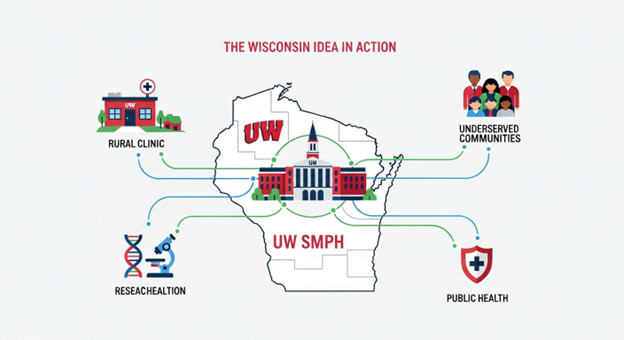
Central to the identity of UW SMPH is the enduring principle of the “Wisconsin Idea.” This philosophy posits that the university’s mission extends beyond the campus borders, serving the people of Wisconsin through outreach, education, and problem-solving. In the context of medical school, the “Wisconsin Idea” translates into a commitment to addressing the state’s health needs, particularly in rural and underserved areas. Applicants are expected to demonstrate an understanding of and a commitment to this ethos. This might manifest through experiences involving community engagement, serving diverse populations, or understanding the unique healthcare challenges faced by Wisconsin residents. The Admissions Committee actively seeks candidates whose values align with this service-oriented mission, looking for individuals who are eager to contribute to the well-being of the state throughout their careers.
Commitment to Public Health and Health Equity
UW SMPH places a significant emphasis on public health and health equity. This commitment is woven into the curriculum, research endeavors, and community outreach initiatives. The school recognizes that true advancements in health require addressing social determinants of health, advocating for vulnerable populations, and working towards equitable access to care for all. Prospective students are encouraged to demonstrate their understanding of these principles and their passion for improving community health outcomes. Experiences in public health, research related to health disparities, or extensive volunteer work with underserved populations can powerfully showcase this alignment. The Admissions Committee views this commitment not just as an extracurricular pursuit but as a fundamental aspect of what it means to be a future physician trained at UW SMPH.
The Innovative ForWard Curriculum: Preparing Future Physicians
The UW School of Medicine and Public Health has adopted the innovative ForWard Curriculum, a progressive educational model designed to prepare students for the evolving landscape of medicine. This curriculum emphasizes early clinical immersion, interdisciplinary learning, and a longitudinal approach to skill development. It moves away from traditional lecture-heavy formats, incorporating case-based learning, team-based activities, and active engagement with patient care scenarios from the outset. This approach ensures that students develop strong foundational knowledge while simultaneously honing essential clinical reasoning and patient interaction skills. Applicants who show an aptitude for innovative learning, collaboration, and a desire to be at the forefront of medical education will find this curriculum particularly appealing. Understanding the structure and philosophy of the ForWard Curriculum can help tailor your application and interview responses to highlight your suitability for this forward-thinking medical school.
Scholarly Pathways: Tailoring Your Medical Journey
A distinctive feature of the ForWard Curriculum is the integration of Scholarly Pathways. These pathways allow students to delve deeply into areas of interest beyond the core curriculum, fostering intellectual curiosity and preparing them for lifelong learning and research. Options can range from focused research projects and public health initiatives to leadership development and global health experiences. Choosing and engaging with a Scholarly Pathway is an opportunity for students to personalize their medical school experience, develop specialized skills, and contribute to knowledge creation. For applicants, showcasing prior involvement in research or demonstrating a clear interest in a specific scholarly pursuit can indicate a readiness to engage with these opportunities at UW SMPH, signaling a proactive and intellectually driven approach to their medical education and future career as physicians.
Laying the Academic Groundwork: Prerequisites and Performance for UW SMPH
A strong academic record is foundational for admission to any medical school, and UW SMPH is no exception. Understanding the specific academic expectations, from prerequisite courses to standardized test scores, is a critical step in preparing a competitive application.
Essential Prerequisite Courses for the MD Program
UW SMPH requires applicants to have completed specific undergraduate coursework to ensure they possess the foundational scientific knowledge necessary for medical studies. While the core curriculum emphasizes biology, chemistry, and physics, it’s crucial to verify the most current list of prerequisites directly from the UW SMPH Admissions website, as these requirements can be updated. Typically, these include biology with laboratory components, general chemistry with laboratory, organic chemistry with laboratory, biochemistry, and physics with laboratory. Additionally, courses in English composition and introductory statistics are often recommended or required. These transcripts will be meticulously reviewed by the Admissions Committee to assess a candidate’s preparedness for the rigorous scientific demands of medical school. Demonstrating a strong performance in these foundational sciences is a key indicator of an applicant’s academic capability.
GPA Expectations and Academic Minimums
The Grade Point Average (GPA) is a significant factor in the medical school admission process. UW SMPH, like other competitive institutions, looks for applicants who have consistently performed well academically throughout their undergraduate studies. While there isn’t a strict minimum GPA cutoff that guarantees rejection, the statistics for matriculants generally reflect high academic achievement. For instance, the average GPA for successful applicants often hovers around 3.7-3.8, with many matriculants presenting GPAs well above 3.8. The Admissions Committee employs a holistic review, meaning that a slightly lower GPA can potentially be offset by exceptional performance in other areas of the application. However, a strong upward trend in GPA and a robust performance in science-related courses are often viewed favorably, indicating growth and resilience. It is essential for applicants to present strong transcripts that reflect their academic potential.
The MCAT: Preparation, Timing, and Target Scores
The Medical College Admission Test (MCAT) is a standardized, multiple-choice examination designed to assess problem-solving, critical thinking, and analytical skills, as well as knowledge of scientific concepts and principles prerequisite to the study of medicine. For UW SMPH admission, a strong MCAT score is a crucial component of the application. While official statistics for accepted students are the best indicator, historical data suggests that successful applicants typically score above the national average. For example, the average MCAT score for matriculants is often in the range of 510-515. However, it is vital to consult the most recent admissions data for UW SMPH, as these figures can fluctuate. Strategic preparation is key; applicants should dedicate ample time to studying, consider taking practice tests, and aim to take the MCAT well in advance of application deadlines to allow for retakes if necessary. Early preparation ensures that MCAT scores accurately reflect an applicant’s capabilities and do not become a limiting factor in their admission prospects.
Beyond Courses: Developing AAMC’s Pre-med Competencies
UW SMPH, in alignment with national trends, evaluates applicants based on the core competencies outlined by the Association of American Medical Colleges (AAMC). These competencies represent the essential skills and attributes that future physicians need to succeed in medical school and practice. They encompass areas such as: Scientific Inquiry and Research Skills, Critical Thinking and Problem Solving, Written and Oral Communication, Interpersonal Skills, Teamwork and Collaboration, Resilience and Adaptability, and Ethical Responsibility. It is not enough to simply list experiences; applicants must demonstrate how their activities have cultivated and evidenced these competencies. The Admissions Committee looks for concrete examples within your application that showcase your development in these crucial areas, ensuring you are well-rounded and prepared for the demands of medical school and the profession of physicians.
Crafting a Holistic Profile: Experiences that Matter to UW SMPH
Beyond academic achievements, UW SMPH seeks to understand the breadth and depth of an applicant’s experiences, recognizing that a successful physician requires a unique blend of skills, character, and dedication. A holistic profile demonstrates not only intellectual curiosity but also empathy, resilience, and a commitment to service.
Clinical Experience and Shadowing: Immersing in the Medical Profession
Meaningful clinical experience is indispensable for any applicant to medical school. This involves direct exposure to patient care settings, allowing you to observe physicians in action, understand the patient-physician dynamic, and gain firsthand insight into the realities of medical practice. Shadowing physicians across various specialties can provide diverse perspectives. However, the quality and depth of reflection are more important than the sheer number of hours. UW SMPH values applicants who can articulate what they have learned from these experiences, how these experiences have shaped their understanding of medicine, and why they are committed to a career as a physician. Documenting these experiences accurately in your AMCAS application and weaving relevant insights into your personal statement and secondary essays are crucial for showcasing your understanding of the medical profession.
Research Activity: Contributing to Discovery at UW
Engaging in research is highly valued at UW SMPH, reflecting the institution’s strong emphasis on discovery and innovation. Whether it’s bench research, clinical research, or public health studies, involvement in scholarly pursuits demonstrates critical thinking, problem-solving skills, and a commitment to advancing medical knowledge. Applicants are encouraged to seek out opportunities that align with their interests, ideally within areas of strength at UW SMPH, such as cancer research, neuroscience, or public health initiatives. Documenting your specific contributions, the methodologies used, and any findings or publications is important. For the AMCAS application, clearly articulating the impact and significance of your research activities, and how they have prepared you for the research expectations within the ForWard Curriculum’s Scholarly Pathways, will strengthen your profile for admission.
Volunteering and Community Engagement: Demonstrating the “Wisconsin Idea”
Demonstrating a commitment to service and community engagement is a direct way to align with UW SMPH’s ” Wisconsin Idea” mission. This involves dedicating time and effort to activities that benefit others, particularly within your local community or underserved populations. Long-term commitment, leadership roles, and impactful contributions are often viewed more favorably than sporadic or superficial involvement. Examples include volunteering at free clinics, working with community health organizations, participating in health education programs, or engaging in service projects that address social determinants of health. The Admissions Committee seeks evidence that you understand and are motivated by the needs of others and possess a genuine desire to serve. Your application should clearly articulate the nature of your volunteer work and the personal growth and insights gained, illustrating your readiness to contribute to Wisconsin and beyond.
Leadership, Teamwork, and Other Meaningful Extracurricular Activities
Beyond clinical exposure and research, UW SMPH looks for applicants who demonstrate strong leadership potential, collaborative skills, and a capacity for dedication in various extracurricular pursuits. Leadership can manifest in numerous ways, from formal roles in student organizations to taking initiative in group projects or community efforts. Teamwork is essential for effective patient care and is a core component of the ForWard Curriculum. Demonstrating that you can work effectively with diverse groups of people, communicate clearly, and contribute to a shared goal is highly valued. Other meaningful activities, such as artistic endeavors, athletic pursuits, or significant personal responsibilities, can also contribute to a well-rounded profile by showcasing discipline, perseverance, and unique perspectives. These experiences, when effectively communicated in your AMCAS application, provide the Admissions Committee with a comprehensive view of your character and potential as future physicians.
Navigating the UW SMPH Application Journey
The application process for medical school is a multi-stage endeavor that requires meticulous attention to detail, strategic planning, and authentic self-expression. For UW SMPH, this journey begins with the primary AMCAS application and continues through secondary applications and beyond.
The AMCAS Application: Your Primary Submission
The AMCAS application, managed by the Association of American Medical Colleges (AAMC), is the primary platform through which most U.S. medical schools, including UW SMPH, receive initial admission materials. This comprehensive online application requires detailed information about your academic history, including transcripts from all post-secondary institutions attended, a chronological listing of your significant activities (clinical experience, research, volunteering, leadership, etc.), and, critically, your personal statement. Completing the AMCAS application thoroughly and accurately is the first hurdle. Ensure all information is precise, well-organized, and reflects your journey comprehensively. The AMCAS application serves as the foundational document upon which the Admissions Committee begins to assess your candidacy for admission.
Crafting a Compelling Personal Statement for UW SMPH
Your personal statement is your opportunity to tell your unique story and articulate why you are pursuing medical school and, specifically, why UW SMPH is the right fit for you. This essay should be a narrative that showcases your motivations, values, and experiences, weaving together the various aspects of your profile. For UW SMPH, it is crucial to subtly, yet effectively, integrate themes of service, public health, the ” Wisconsin Idea,” and your alignment with the innovative ForWard Curriculum. Avoid generic statements; instead, use specific anecdotes to illustrate your qualities and commitment. The Admissions Committee is looking for authenticity, insight, and a clear understanding of the physician’s role. A well-crafted personal statement can differentiate you from other applicants by revealing your character, passion, and potential contributions to the UW SMPH community and the medical profession.
Securing Strong Letters of Recommendation
Letters of Recommendation (LoRs) provide the Admissions Committee with third-party perspectives on your character, academic abilities, and potential for success in medical school. For UW SMPH admission, it is essential to request letters from individuals who know you well and can speak to your strengths with specificity and conviction. Typically, this includes science professors who can comment on your academic performance and intellectual curiosity, mentors who have supervised your research or clinical work, and supervisors from significant volunteer or leadership roles. It is advisable to provide your recommenders with ample time to write their letters, along with your CV, personal statement draft, and any specific instructions from UW SMPH regarding their application. Strong, personalized letters can significantly bolster your application, offering valuable insights that complement your own narrative.
The UW SMPH Secondary Application: Showcasing Your Unique Fit
Once your primary AMCAS application is reviewed, eligible applicants will be invited to complete UW SMPH’s secondary application. This typically includes additional essay prompts designed to assess your fit with the school’s specific mission and values. These essays are your chance to go into greater detail about your interest in UW SMPH, your understanding of the ” Wisconsin Idea,” your commitment to public health and health equity, and how your experiences align with the ForWard Curriculum. Expect prompts that may ask about your reasons for applying to UW SMPH specifically, your experiences with diverse populations, or how you have demonstrated leadership and resilience. Carefully review each prompt, conduct thorough research on UW SMPH, and craft thoughtful, specific responses that showcase your unique qualifications and genuine enthusiasm for this medical school.
Important Deadlines and the Overall Application Timeline
Adhering to deadlines is non-negotiable in the medical school admission process. The AMCAS application typically opens in early May for the following year’s matriculation. It is generally recommended to submit your primary AMCAS application as early as possible, ideally in June or early July, to allow ample time for processing and for UW SMPH to review your materials. Secondary applications are usually sent out to verified applicants shortly after their primary application is processed, with deadlines typically in late August or September. Interviews are usually conducted from late September through the spring. Staying organized and tracking all deadlines for the AMCAS application, secondary applications, and any required supporting documents is crucial to ensure your application is complete and considered by the Admissions Committee.
The UW SMPH Interview and Assessment Process: Comprehensive Preparation
The interview stage is a critical component of the UW SMPH admission process, offering an opportunity for the Admissions Committee to assess your interpersonal skills, critical thinking, and personal attributes beyond what is captured in your written application.
Understanding Acuity Insights Assessments
It is important to note that UW SMPH, unlike many other medical schools, does not require standardized situational judgment tests such as Acuity Insights (formerly CASPer and Duet). This is a significant differentiator and means applicants should focus their preparation on traditional interview formats and the specific needs of UW SMPH’s admissions process. Confusion on this point can lead to unnecessary anxiety and wasted preparation. Always refer to the official UW SMPH admissions website for the most accurate and up-to-date information regarding required assessments for admission.
Preparing for Your UW SMPH Interview Season
Interviews at UW SMPH are designed to be conversations, allowing the Admissions Committee to get to know you better and for you to learn more about the school. Preparation should focus on understanding UW SMPH’s mission, values, and curriculum. Be ready to discuss why you want to attend UW SMPH, how your experiences align with their focus on the ” Wisconsin Idea” and public health, and how you embody the AAMC competencies. Practice articulating your motivations for becoming a physician and specific examples from your research, clinical, and volunteer experiences that demonstrate your skills and character. It is also wise to prepare thoughtful questions to ask your interviewer, demonstrating your engagement and genuine interest in the medical school. Familiarizing yourself with common interview question types and practicing your responses, perhaps through mock interviews, can boost your confidence and preparedness.
Post-Interview Strategies: Follow-Up and Decision Timeline
Following your interview, a brief thank-you note or email to your interviewer(s) is a professional courtesy that can reinforce your interest. While not a guarantee of admission, it is a small gesture that shows respect and continued enthusiasm. The decision timeline for UW SMPH can vary. Offers of admission are typically extended on a rolling basis after interviews are completed. Applicants are generally informed of the Admissions Committee’s decision within a specific timeframe, often a few weeks to a couple of months post-interview. Keeping track of the communicated timelines and managing your expectations during this period of anticipation is important. Patience and continued focus on your academic pursuits are advisable while awaiting a decision regarding your application for medical school.
Decoding UW SMPH Admissions: What They Look For
Understanding the metrics and qualitative aspects that the Admissions Committee at UW SMPH prioritizes is key to crafting a successful application. This involves analyzing admissions statistics and identifying the core competencies and personal qualities they seek.
Admissions Statistics and Student Body Profile
Examining the statistics of recently matriculated students provides valuable insight into the academic profile UW SMPH seeks. While these numbers represent averages and not strict cutoffs, they offer a target range. Typically, successful applicants have a cumulative undergraduate GPA around 3.77-3.83 and MCAT scores averaging in the low 510s. However, UW SMPH is committed to a holistic review, meaning that exceptional performance in other areas can compensate for slightly lower scores. The Admissions Committee also considers the proportion of in-state versus out-of-state students, with a significant emphasis placed on applicants from Wisconsin. The student body is intentionally diverse, encompassing individuals from various backgrounds, life experiences, and academic disciplines, reflecting a commitment to a broad range of perspectives within the medical school community.
Key Qualities and Competencies Valued by the Admissions Committee
Beyond academic metrics like GPA and MCAT scores, the Admissions Committee at UW SMPH places significant value on a range of personal qualities and competencies. These include:
- Commitment to Service: Demonstrated through consistent volunteer work and a genuine desire to help others, particularly in alignment with the ” Wisconsin Idea” and public health
- Resilience and Adaptability: The ability to overcome challenges, learn from setbacks, and adapt to new situations, essential for navigating the rigors of medical school and the complexities of patient care.
- Intellectual Curiosity: A demonstrated love of learning, shown through research, academic exploration, and a desire to understand complex concepts.
- Interpersonal Skills and Teamwork: The capacity to communicate effectively, empathize with others, and collaborate productively within a team environment.
- Leadership Potential: The ability to take initiative, inspire others, and contribute positively to group efforts.
- Understanding of and Commitment to Public Health and Health Equity: A clear grasp of the factors influencing community health and a dedication to addressing disparities in healthcare.
The Admissions Committee uses your application, essays, letters of recommendation, and interview performance to assess these qualities, seeking individuals who will not only succeed academically but also embody the mission and values of UW SMPH as future physicians.
Conclusion
Gaining admission to the University of Wisconsin School of Medicine and Public Health (UW SMPH) is a challenging yet achievable goal for dedicated and well-prepared aspiring doctors. Success hinges on a profound understanding of UW SMPH’s distinctive identity, particularly its unwavering commitment to the ” Wisconsin Idea,” its emphasis on public health and health equity, and its innovative ForWard Curriculum. A strong academic foundation, evidenced by solid transcripts, competitive MCAT scores, and a consistent GPA, is essential but must be complemented by a rich tapestry of experiences.
Your AMCAS application and subsequent secondary essays are your primary vehicles for demonstrating how your experiences in clinical settings, research, volunteering, and leadership align with UW SMPH’s core values. The Admissions Committee seeks not just bright minds, but compassionate, resilient, and service-oriented individuals who are poised to become future physicians dedicated to improving the health of Wisconsin and beyond. Thorough preparation for the interview process, coupled with a clear articulation of your motivations and fit with the school, will significantly enhance your candidacy. By strategically presenting your qualifications and demonstrating a genuine alignment with the mission of UW SMPH, you can navigate the admission journey with confidence and position yourself as a compelling candidate for this esteemed medical school.
Frequently Asked Questions About UW Medical School
1. What GPA do you need to get into University of Wisconsin School of Medicine and Public Health?
The average GPA for matriculants at the University of Wisconsin School of Medicine and Public Health is 3.77. The school requires a minimum GPA of 3.0 to be considered for admission, though competitive applicants typically score well above this floor. Wisconsin values a strong academic foundation, so aiming for a 3.7 or higher significantly improves your chances, particularly for out-of-state applicants.
2. What MCAT score do you need for University of Wisconsin School of Medicine and Public Health?
The average MCAT score for entering students at UW School of Medicine and Public Health is 510. The school sets a minimum MCAT threshold of 500 for application consideration. A score at or above the 510 average is strongly recommended to remain competitive in the applicant pool, especially for out-of-state candidates.
3. What is the acceptance rate at University of Wisconsin School of Medicine and Public Health?
The acceptance rate at the University of Wisconsin School of Medicine and Public Health is approximately 2.4%, making it a highly selective program. Out of roughly 7,125 applicants in the most recent cycle, only 173 students enrolled. The school’s strong in-state preference means acceptance rates for Wisconsin residents are meaningfully higher than for out-of-state applicants.
4. How many people apply to University of Wisconsin School of Medicine and Public Health each year?
Approximately 7,125 applicants compete for a spot in each entering class at UW SMPH. Of these, 173 students ultimately matriculate, yielding a class that is competitive by any national standard. The applicant pool is large in part because UW is one of the most prominent medical schools in the Midwest.
5. Does University of Wisconsin School of Medicine and Public Health accept out-of-state applicants?
Yes, UW School of Medicine and Public Health does accept out-of-state applicants, but the school has a strong preference for Wisconsin residents. The majority of each entering class is drawn from in-state applicants, so non-residents face a more competitive pool and lower effective acceptance rates. Out-of-state applicants should have credentials meaningfully above the class averages and present a compelling reason for their interest in Wisconsin.
6. What is the interview format at University of Wisconsin School of Medicine and Public Health?
Invited applicants to UW SMPH receive detailed interview instructions via email. The interview day includes opportunities to learn about the ForWard Curriculum, meet current students, and ask questions of faculty. While the exact format (traditional vs. MMI) is communicated directly to invitees, the day is designed to assess fit with the school’s values and commitment to the Wisconsin Idea of community service. CASPer is not required as part of the UW SMPH application process.
7. What are the secondary essay prompts at University of Wisconsin School of Medicine and Public Health?
UW SMPH secondary essays have historically included: (1) a 500-word essay on why you are a good fit for the school with specific examples; (2) a 250-word reflection on how you would embody diversity, equity, and inclusion values in your education or practice; (3) a 250-word essay choosing one of the school’s core values — integrity, accountability, or compassion — and reflecting on your lived experience with it; and (4) an optional essay explaining what makes you exceptional. Prompts for new application cycles are posted when the cycle opens, so check the official UW SMPH admissions page for the most current prompts.
8. How much does University of Wisconsin School of Medicine and Public Health cost?
Annual tuition at UW SMPH is $44,410 for Wisconsin residents and $62,533 for out-of-state students for the 2025–2026 academic year. Over four years, the total estimated cost of the MD program is approximately $292,959 for in-state students and $360,275 for non-residents, factoring in fees and living expenses. Wisconsin residents benefit significantly from the in-state tuition rate, making this one of the more affordable top-ranked medical schools for state residents.
9. What is the ForWard Curriculum at University of Wisconsin School of Medicine and Public Health?
The ForWard Curriculum is UW SMPH’s signature integrated MD program that uniquely blends medicine and public health throughout medical training — a reflection of the school’s distinction as the nation’s first combined school of medicine and public health. Students learn within a statewide clinical campus that exposes them to a diverse range of patient populations, from urban academic medical centers to rural communities across Wisconsin. The curriculum embeds population health and health equity principles alongside traditional clinical medicine, preparing graduates to address both individual patient needs and broader community health challenges.
10. What research opportunities are available at University of Wisconsin School of Medicine and Public Health?
UW SMPH offers robust research opportunities anchored by the Shapiro Summer Research Program, in which approximately 100 medical students participate each year between their first and second years, working alongside faculty mentors across any of the school’s departments, centers, or institutes. Research strengths include stem cell biology (UW is an international leader in embryonic stem cell research), theranostics, neurodegenerative diseases such as Alzheimer’s and multiple sclerosis, cancer therapeutics, and population health through the Real-World Data Collaborative. The school is also ranked 18th nationally for the percentage of MD graduates who go on to practice in rural communities, reflecting its commitment to translating research into community-level impact.