
Charting Your Path to UT Tyler School of Medicine
Embarking on the journey to medical school is a significant undertaking, filled with rigorous preparation, strategic application, and a deep understanding of institutional missions. For aspiring physicians drawn to a unique commitment to community, innovation, and addressing healthcare disparities, The University of Texas at Tyler School of Medicine (UT Tyler SOM) presents a compelling path. This guide is meticulously crafted to equip you with the comprehensive knowledge and strategic insights needed to navigate the UT Tyler medical school admissions process successfully. We will delve into the school’s distinctive mission, explore the academic prerequisites, demystify the application journey, highlight what constitutes a strong candidate profile, and prepare you for the crucial interview stage. By understanding UT Tyler’s specific values and requirements, you can strategically position yourself to stand out among a competitive applicant pool and chart a clear course toward becoming a future physician dedicated to serving East Texas and beyond.
This blog will cover:
- Charting Your Path to UT Tyler School of Medicine
- Why UT Tyler SOM? A Unique Mission in East Texas
- What Makes UT Tyler Stand Out: A Focus on Community, Innovation, and Underserved Populations
- Understanding UT Tyler’s Mission and Values: What They Look For in Applicants
- Laying the Academic Foundation: Prerequisites and Strong Performance
- Navigating the Application Process: Your Strategic Steps
- Beyond Academics: Demonstrating “Fit” and Meaningful Experiences
- Mastering the Interview: Your Chance to Shine
- Preparing for Standardized Patient Exercise and Behavioral Questions
- Conclusion
Why UT Tyler SOM? A Unique Mission in East Texas
The landscape of medical education is diverse, with each institution offering a distinct educational experience and contributing to the healthcare ecosystem in its own way. The University of Texas at Tyler School of Medicine distinguishes itself not merely as another medical school, but as an institution with a deeply ingrained purpose, rooted in the specific needs and opportunities of East Texas. Prospective applicants are encouraged to understand this foundational mission, as it forms the bedrock of their evaluation. UT Tyler SOM is not just about producing highly skilled physicians; it’s about cultivating compassionate leaders who are committed to improving the quality of life for the region it serves. This geographic focus is a critical differentiator, influencing everything from curriculum design to the selection of its student body.
What Makes UT Tyler Stand Out: A Focus on Community, Innovation, and Underserved Populations
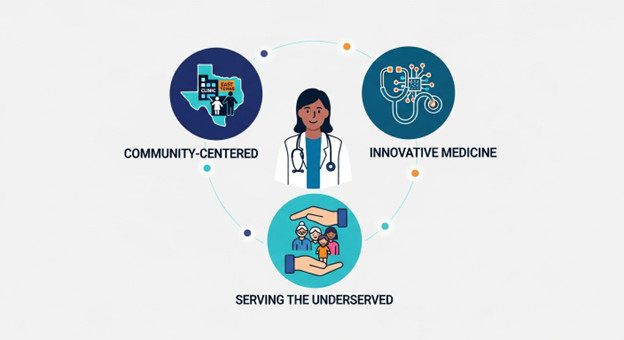
Several key pillars define the unique identity of UT Tyler School of Medicine and set it apart from other medical schools. Foremost is its unwavering dedication to the community, particularly the underserved populations and unique healthcare challenges prevalent in East Texas. This isn’t a general commitment; it’s a targeted mission to address specific needs, such as physician shortages in primary care and rural settings. The school actively seeks applicants who demonstrate a genuine interest and a track record of engaging with these communities.
Innovation is another cornerstone. UT Tyler SOM embraces modern approaches to medical education and patient care, seeking to equip its student body with the most effective and forward-thinking tools and methodologies. This might manifest in curriculum design, the integration of technology, or novel approaches to clinical training.
Furthermore, the school’s strategic focus on underserved populations is not just an ideal; it’s a practical imperative. By concentrating efforts on improving healthcare access and outcomes in areas that have historically faced significant challenges, UT Tyler SOM aims to make a tangible impact. This commitment requires a specific type of candidate – one who is not only academically proficient but also possesses a deep sense of social responsibility and a desire to serve those most in need. Understanding and aligning with these core tenets is paramount for any aspiring student seeking admission to this distinctive program.
Understanding UT Tyler’s Mission and Values: What They Look For in Applicants
The admissions committee at The University of Texas at Tyler School of Medicine employs a holistic review process, which means they consider a wide array of factors beyond traditional academic metrics. At the heart of this evaluation lies a deep dive into how an applicant’s personal values, experiences, and aspirations align with the school’s overarching mission. Understanding this mission is not merely about reciting it; it’s about demonstrating how your own life’s work and future ambitions resonate with its core tenets. The University of Texas at Tyler School of Medicine is exceptionally clear about its purpose, and prospective applicants are expected to reflect this clarity in their applications.
The UT Tyler School of Medicine’s Core Mission: Improving Quality of Life in East Texas
The central mission of UT Tyler School of Medicine is unequivocally to enhance the quality of life in East Texas. This broad objective translates into a focused commitment to addressing regional healthcare needs. The school recognizes the persistent challenges in healthcare access, particularly in rural areas, and the growing demand for primary care physicians. Therefore, the admissions process actively seeks individuals who are motivated to serve this specific region. This means that while strong academic credentials are vital, an applicant’s demonstrated commitment to serving communities, especially those that are underserved, will carry significant weight. The School of Medicine views its graduates as integral to the fabric of East Texas healthcare, tasked with improving patient outcomes and increasing access to essential medical services.
Aligning Your Profile with a Commitment to Primary Care and Rural Health
A significant aspect of UT Tyler SOM’s mission is to address the critical shortage of primary care physicians, especially in rural settings. This focus should be a guiding principle for any candidate preparing their application. The admissions committee looks for evidence that you not only understand the importance of primary care but also possess a genuine desire to practice it, particularly in rural or underserved areas. This can be demonstrated through various experiences, such as volunteering in rural clinics, participating in public health initiatives that target rural populations, or actively seeking out clinical rotations in primary care settings. Your essays, personal statements, and even your choice of extracurricular activities should reflect a thoughtful consideration of this mission. The goal is to show that you are not just seeking a medical education, but that you are aligning your future career aspirations with the specific needs that UT Tyler SOM is striving to meet within East Texas and similar regions.
Embracing Innovation in Medical Education and Patient Care
While deeply committed to serving its region, UT Tyler School of Medicine also emphasizes innovation in both its educational program and its approach to patient care. This forward-thinking attitude means the school is looking for students who are adaptable, curious, and eager to embrace new technologies and methodologies in healthcare. Your application should ideally showcase instances where you have demonstrated these qualities. This could be through research involving novel technologies, participation in interdisciplinary projects, or even in how you have approached challenges in your academic or clinical experiences. An applicant who can articulate how they have embraced change or contributed to innovative solutions in the past is more likely to thrive in UT Tyler SOM’s dynamic learning environment. This commitment to innovation ensures that graduates are well-prepared to meet the evolving demands of modern medicine.
Valuing Community Engagement and Public Health Initiatives
Community engagement and public health initiatives are not supplementary aspects of the UT Tyler SOM experience; they are integral to its very identity. The University of Texas at Tyler School of Medicine believes that effective physicians are deeply connected to the communities they serve. Therefore, significant emphasis is placed on an applicant’s history and demonstrated commitment to community service and public health. This means more than just accumulating volunteer hours; it involves actively participating in initiatives that address real community needs, understanding the social determinants of health, and working collaboratively to improve public well-being. For prospective students, this translates to seeking out meaningful volunteer opportunities, participating in health fairs, engaging in outreach programs, or working with organizations that serve vulnerable populations. Your application should clearly articulate the impact of these experiences on your understanding of healthcare and your commitment to service, especially within the context of East Texas.
Laying the Academic Foundation: Prerequisites and Strong Performance
A strong academic foundation is a non-negotiable prerequisite for admission to any medical school, and UT Tyler School of Medicine is no exception. While the School of Medicine values a holistic review, robust academic performance signals an applicant’s capacity to handle the demanding curriculum. This involves not only meeting the specific course requirements but also demonstrating consistent academic rigor and achieving competitive scores on standardized tests. The University of Texas at Tyler expects applicants to have a solid grasp of the foundational sciences, preparing them for the complexities of medical study.
Required Pre-Medical Coursework for UT Tyler SOM
The University of Texas at Tyler School of Medicine has specific academic requirements designed to ensure that all admitted students possess the necessary scientific knowledge base. Prospective applicants must diligently complete a set of pre-medical courses. These typically include:
- General Chemistry: A minimum of 8 semester hours, including 2 hours of laboratory work.
- Organic Chemistry: A minimum of 8 semester hours, including 2 hours of laboratory work.
- Biochemistry: A minimum of 3 semester hours.
- English: A minimum of 6 semester hours, with a focus on composition.
- Statistics: A minimum of 3 semester hours.
It is crucial for candidates to verify the most current course requirements directly with the UT Tyler SOM admissions office or their official website, as these can be subject to change. Furthermore, some medical schools, including UT Tyler, may require or strongly recommend additional science courses such as biology, physics, and molecular biology. Ensuring that all required coursework is completed with a strong grade is a foundational step in the application process.
Recommended Academic Profile: GPA and Course Rigor
While specific GPA cutoffs are not always publicly disclosed for UT Tyler School of Medicine, it is understood that a highly competitive GPA is essential. A strong undergraduate academic record, typically reflecting a GPA well above 3.5, is generally expected. However, the committee also evaluates the rigor of the coursework undertaken. This means that courses taken at a challenging university, in a demanding major (especially a science-related one), and with a consistent upward trend or strong performance throughout, are viewed favorably. UT Tyler SOM, like many medical schools, looks for evidence that an applicant can excel in a challenging academic environment. Simply achieving a high GPA is less impactful if it’s derived from an easier course load. Therefore, applicants should aim to take challenging science courses and demonstrate consistent effort and strong performance throughout their undergraduate careers. This academic foundation is a critical component of the admissions decision.
The Importance of the MCAT: Scores and Strategic Preparation
The Medical College Admission Test (MCAT) remains a cornerstone of the medical school admissions process, serving as a standardized measure of an applicant’s readiness for the rigors of medical study. For UT Tyler School of Medicine, a competitive MCAT score is vital. While the School of Medicine utilizes a holistic review, the MCAT provides a crucial benchmark for assessing critical thinking, problem-solving, and scientific knowledge across biological, chemical, physical, and behavioral sciences.
Prospective students should aim for scores that align with or exceed the median scores of previously admitted classes. Reviewing the latest admissions statistics for UT Tyler SOM will provide valuable insight into the expected MCAT range. However, it’s not just about achieving a high score; it’s about strategic preparation. This involves dedicating ample time to study, utilizing reputable MCAT preparation resources, taking practice tests under timed conditions, and understanding the test’s structure and question types. The application cycle is long, and having a strong MCAT score ready for submission can significantly bolster an applicant’s profile when applying to medical schools like UT Tyler.
Navigating Pass/Fail Grades and the Spring 2020 Policy
The academic landscape for many students was significantly altered by the COVID-19 pandemic, leading many institutions to offer courses on a Pass/Fail (P/F) basis, particularly during the Spring 2020 semester. UT Tyler School of Medicine, like most medical schools, has developed policies to address these circumstances. Generally, medical schools understand the exceptional nature of these grading policies. For required pre-medical courses, a Pass grade is typically accepted, although the committee may look for further evidence of scientific aptitude if numerous P/F grades are present.
If you took courses on a Pass/Fail basis, especially during Spring 2020 or any period where P/F was a widely adopted option, it is crucial to address this proactively within your application. You may need to provide a brief explanation in your personal statement or a designated section of the TMDSAS application detailing the circumstances. The University of Texas at Tyler School of Medicine aims to evaluate applicants fairly, recognizing the unique challenges faced. It is also advisable to ensure any transferred credits meet a minimum grade requirement, such as a “B,” as is often the standard to ensure adequate preparation. Consulting the official UT Tyler SOM admissions website for their specific policy on Pass/Fail grades is essential for accurate guidance.
Navigating the Application Process: Your Strategic Steps
The application process for medical school is a multi-faceted endeavor that requires meticulous planning, careful execution, and a deep understanding of each component’s significance. For admission to The University of Texas at Tyler School of Medicine, prospective students will primarily navigate the Texas Medical and Dental Schools Application Service (TMDSAS), followed by a secondary application, and potentially other evaluative tools. Each step serves as a critical opportunity to present yourself as a well-rounded and mission-aligned candidate.
The TMDSAS Primary Application: Your First Impression
The Texas Medical and Dental Schools Application Service (TMDSAS) is the centralized application portal for most Texas public medical and dental schools, including UT Tyler School of Medicine. This is your initial and most comprehensive introduction to the admissions committee. The TMDSAS application requires a substantial amount of information, including:
- Biographical and Demographic Data: Standard personal information.
- Academic History: Detailed listing of all undergraduate and graduate coursework, including grades, credit hours, and institutions attended.
- Standardized Test Scores: Submission of MCAT scores.
- Work and Activities: A section where you meticulously detail your experiences, categorizing them into areas such as volunteer work, clinical experiences, research, leadership, and employment. This is a crucial section where you begin to demonstrate your commitment to healthcare and your alignment with the school’s
- Personal Statement: A narrative essay where you articulate your motivations for pursuing medicine and your suitability for medical school. This is your chance to convey your voice and passion, explaining your journey and aspirations.
- Essays: TMDSAS often includes specific essay prompts related to diversity, challenges overcome, and your commitment to Texas.
Given the character limits and the importance of this initial submission, applicants must dedicate significant time to crafting a thorough, accurate, and compelling primary application. Every detail matters, from the accurate reporting of your academic history to the concise and impactful descriptions of your experiences. This is the first significant filter in the admissions process for UT Tyler SOM.
Crafting a Compelling UT Tyler Secondary Application
Following the initial TMDSAS application review, eligible candidates will be invited to complete a secondary application specific to The University of Texas at Tyler School of Medicine. This is a critical stage where you can further tailor your application to the school’s unique mission and values. The UT Tyler SOM secondary application typically consists of several essays or short answer questions. These prompts are designed to delve deeper into your specific interests, experiences, and your understanding of UT Tyler’s role in East Texas healthcare.
Essays often focus on:
- Your reasons for applying to UT Tyler SOM specifically.
- How your experiences align with the school’s mission of serving East Texas and addressing healthcare disparities.
- Your understanding of primary care and rural health.
- Your perspectives on innovation in healthcare.
- Specific experiences that demonstrate leadership, teamwork, and commitment to community service.
It is imperative to answer each prompt thoughtfully and authentically. Avoid generic responses; instead, draw upon specific examples from your life and experiences to illustrate your points. This is your opportunity to showcase your understanding of the School of Medicine’s ethos and demonstrate why you are a strong fit for their program. A well-crafted secondary application can significantly differentiate you from other applicants.
Mastering the Casper Situational Judgment Test (Acuity’s Casper assessment and Duet)
The Casper (Computer-based Assessment for Sampling Personal Characteristics) test is a widely adopted online situational judgment test used by many medical schools, including UT Tyler School of Medicine, to assess non-cognitive skills and attributes essential for success in medicine. These attributes often include professionalism, ethics, empathy, communication, and critical thinking. The University of Texas at Tyler utilizes Casper to gain a more comprehensive understanding of an applicant’s potential beyond academic metrics and traditional interview formats.
The test presents a series of video and text-based scenarios, followed by a set of questions that require written or video responses. Applicants are expected to articulate how they would handle each situation, demonstrating their ethical reasoning and interpersonal skills. It’s important to prepare for Casper by understanding the types of scenarios presented and practicing articulating your thoughts clearly and concisely under time pressure. While you cannot “study” for Casper in the traditional sense, familiarizing yourself with its format and practicing your responses can help you feel more confident. This assessment provides UT Tyler SOM with insights into your character and your suitability for the demanding and interpersonal aspects of healthcare. Some schools may also require the Duet (a supplementary assessment that collects more detailed information on attributes related to medical school success), so ensure you check the specific requirements for UT Tyler.
Securing Strong Letters of Recommendation: What UT Tyler Values
Letters of recommendation (LORs) play a crucial role in the admissions process for UT Tyler School of Medicine, offering the admissions committee insights from individuals who have known you in academic, professional, or volunteer capacities. The University of Texas at Tyler School of Medicine, like other reputable medical schools, places significant value on strong, insightful letters that speak to your character, work ethic, academic potential, and suitability for a career in medicine.
When requesting letters, it is essential to approach individuals who can speak definitively and enthusiastically about your abilities and attributes. This typically includes:
- Professors: Particularly those who have taught you in science courses and can comment on your academic performance, intellectual curiosity, and performance in challenging coursework.
- Supervisors: From clinical settings, research labs, or significant volunteer positions, who can attest to your skills, dedication, professionalism, and interaction with patients or colleagues.
- Mentors: Individuals who have guided you in your pre-medical journey or specific experiences.
Provide your recommenders with ample time to write their letters (at least 4-6 weeks in advance) and furnish them with all necessary materials, including your CV, personal statement, a list of the schools you are applying to, and any specific points you hope they might address. UT Tyler SOM will be looking for letters that go beyond generic praise, offering specific examples and anecdotes that highlight your strengths, maturity, and potential to contribute positively to their program and the broader healthcare community.
Beyond Academics: Demonstrating “Fit” and Meaningful Experiences
Academic prowess is a necessary, but not sufficient, condition for admission to UT Tyler School of Medicine. The University of Texas at Tyler School of Medicine is deeply committed to its mission of serving East Texas, and as such, it seeks applicants who demonstrate a genuine understanding of and commitment to this mission. This “fit” is best conveyed through a diverse range of meaningful experiences that showcase your character, your dedication to healthcare, your leadership capabilities, and your engagement with the community. Your application should tell a story of purpose and impact.
Clinical Experience: Showcasing Empathy and Understanding of Healthcare
Meaningful clinical experience is a non-negotiable component for aspiring physicians applying to UT Tyler School of Medicine. This aspect of your application allows you to demonstrate your exposure to and understanding of the realities of patient care and the healthcare environment. The quality of experience is often valued more than the quantity. UT Tyler SOM will look for evidence that you have engaged with patients, observed physicians, and gained firsthand insight into the challenges and rewards of the medical profession.
Examples of valuable clinical experiences include:
- Shadowing Physicians: Especially those in primary care or specialties that serve rural and underserved populations in East Texas.
- Volunteering in Hospitals or Clinics: Engaging directly with patients, providing comfort, and assisting healthcare staff.
- Medical Assistant or CNA Roles: Hands-on patient care roles that provide a deeper level of responsibility and interaction.
- Experience in Emergency Departments or Urgent Care: Exposure to acute care settings.
When describing these experiences in your TMDSAS and secondary applications, focus on what you learned, how it impacted your desire to pursue medicine, and how it relates to UT Tyler SOM’s mission. Highlight instances where you demonstrated empathy, professionalism, and a capacity for understanding patient needs.
Research Opportunities: Aligning Your Interests with UT Tyler’s Focus Areas
While UT Tyler School of Medicine’s primary focus is on clinical service and community health, engaging in research can significantly enhance your application by demonstrating intellectual curiosity, critical thinking, and a commitment to advancing medical knowledge. The University of Texas at Tyler encourages research, particularly if it aligns with its institutional goals, such as investigating health disparities in East Texas or exploring innovative approaches to healthcare.
When detailing your research experiences, focus on:
- Your Role and Contributions: Clearly define your responsibilities and what you learned from the research process.
- The Research Question and Methodology: Show your understanding of scientific inquiry.
- The Impact or Findings: Discuss any outcomes or potential implications of your work.
- Alignment with UT Tyler’s Mission: If your research touches upon areas relevant to rural health, primary care, or specific health issues in East Texas, make that connection explicit.
Even if your research experience isn’t directly tied to these areas, highlighting your ability to engage in rigorous scientific inquiry demonstrates the critical thinking skills necessary for medical school. This can set you apart as a well-rounded candidate for the program.
Community Service and Volunteerism: Demonstrating Commitment to East Texas and Underserved Populations
Commitment to community service and volunteerism is a cornerstone of UT Tyler School of Medicine’s mission. The University of Texas at Tyler School of Medicine actively seeks students who are not only academically capable but also deeply invested in serving others, particularly those in underserved populations and the East Texas region. Your application should reflect a sustained and meaningful engagement with your community.
This can take many forms, including:
- Volunteering at homeless shelters or food banks.
- Participating in health outreach programs for low-income families.
- Tutoring or mentoring underprivileged youth.
- Engaging with organizations focused on improving public health in rural areas.
- Long-term commitments to a particular cause or organization.
When describing these experiences, go beyond listing them. Articulate the impact these activities had on you and the individuals or communities you served. Show how your volunteer work has deepened your understanding of social determinants of healthcare and reinforced your desire to become a physician dedicated to service. This demonstration of commitment is vital for aligning your profile with UT Tyler’s values.
Leadership and Teamwork: Developing Essential Competencies for Physicians
The practice of medicine is inherently collaborative and requires strong leadership and teamwork skills. UT Tyler School of Medicine seeks candidates who have demonstrated these competencies, as they are essential for effective patient care and for contributing positively to the medical school environment and the broader healthcare system. Your application should highlight experiences where you have taken initiative, guided others, or worked effectively as part of a team.
Examples of leadership and teamwork can be found in:
- Student organizations: Holding officer positions or leading projects.
- Team sports or academic group projects: Demonstrating your ability to collaborate towards a common goal.
- Work experiences: Where you may have managed tasks or mentored colleagues.
- Volunteer initiatives: Where you may have organized events or led teams of volunteers.
In your essays and activity descriptions, reflect on specific situations where you demonstrated leadership or teamwork. Discuss the challenges you faced, how you approached them, and what you learned about working with others. This shows the admissions committee that you possess the interpersonal skills necessary to thrive in the program and the medical profession.
Leveraging Unique UT Tyler Programs: SUPERNet Summer Medical Scholars Academy and Summer Research and Clinical Externship
The University of Texas at Tyler School of Medicine offers unique programs designed to provide aspiring students with valuable exposure to medical education and clinical healthcare. Participating in these programs can significantly strengthen your application and demonstrate your genuine interest in UT Tyler SOM.
The SUPERNet Summer Medical Scholars Academy is designed to offer high school and undergraduate students an immersive experience in medical education. It provides insights into the curriculum, research opportunities, and the School of Medicine’s mission. For undergraduate students, the Summer Research and Clinical Externship offers hands-on experience in both research and clinical settings, allowing participants to explore their interests further and gain practical skills.
Actively participating in and succeeding in these programs can:
- Provide direct exposure to the University of Texas at Tyler academic environment and its faculty.
- Allow you to develop a deeper understanding of the School of Medicine’s specific mission and values.
- Offer opportunities to build relationships with faculty and staff who may be involved in the admissions
- Strengthen your secondary application essays by providing concrete examples of your engagement with UT Tyler SOM.
These programs are excellent avenues for candidates to demonstrate their commitment and suitability for the program, offering a competitive edge in the admissions process.
Mastering the Interview: Your Chance to Shine
The interview stage at UT Tyler School of Medicine represents a critical juncture in the admissions process. It’s your opportunity to move beyond the written word of your application and engage directly with the admissions committee, allowing them to assess your personality, communication skills, and your genuine alignment with the school’s mission. The University of Texas at Tyler School of Medicine aims to understand not just what you’ve done, but who you are and how you will contribute to their community and the healthcare of East Texas.
Understanding UT Tyler’s Interview Styles: What to Expect
The interview format at UT Tyler School of Medicine is designed to provide a comprehensive assessment of each candidate. While specifics can evolve, applicants should anticipate a multi-faceted approach that may include:
- Traditional one-on-one interviews: With faculty members, admissions committee members, or current medical students. These interviews typically focus on your personal statement, experiences, motivations, and understanding of the school’s
- Situational Judgment Exercises: Similar to the CASPer test, you may encounter scenarios requiring you to explain how you would respond.
- Standardized Patient Encounters: You might interact with actors portraying patients to assess your clinical communication, empathy, and diagnostic reasoning skills in a simulated setting.
- Group Activities: While less common, some medical schools incorporate group exercises to evaluate teamwork and collaborative skills.
The key is to be prepared for a comprehensive evaluation. The School of Medicine aims to gauge your professionalism, ethical reasoning, and how well your personal values align with their commitment to community, primary care, and serving East Texas.
Preparing for Standardized Patient Exercise and Behavioral Questions
Preparing for the standardized patient exercise and behavioral interview questions is crucial for success at UT Tyler School of Medicine. For standardized patient encounters, practice active listening, empathetic communication, and clear explanation of medical concepts in layman’s terms. Remember to maintain a professional demeanor, show genuine concern for the patient’s well-being, and follow ethical guidelines.
For behavioral questions, which often start with phrases like “Tell me about a time when you…”, the STAR method (Situation, Task, Action, Result) is an invaluable tool. Prepare specific anecdotes from your experiences that demonstrate:
- Leadership and Teamwork: How you collaborated or led a group.
- Handling Conflict: A time you resolved a disagreement effectively.
- Overcoming Challenges: A significant obstacle you faced and how you navigated it.
- Ethical Dilemmas: Situations where you had to make a difficult ethical decision.
- Dealing with Failure: A time things didn’t go as planned and what you learned.
For UT Tyler SOM, it’s particularly important that these examples also subtly, or overtly, reflect your understanding of and commitment to their mission concerning healthcare in East Texas and underserved populations.
Showcasing Your Genuine Interest in UT Tyler’s Mission
During your interview at UT Tyler School of Medicine, articulating a genuine interest in the school’s specific mission is paramount. This goes beyond simply stating that you want to help people. You need to demonstrate that you understand UT Tyler’s unique role in East Texas, its focus on primary care and rural health, and its commitment to innovation and community engagement.
To effectively showcase this interest:
- Research Thoroughly: Go beyond the admissions website. Look into faculty research, community outreach programs, and the specific health challenges faced by East Texas.
- Connect Your Experiences: Articulate how your past experiences (clinical work, volunteerism, research) have prepared you to contribute to UT Tyler’s mission. Use specific examples.
- Ask Insightful Questions: Prepare questions that reflect your deep engagement with the school’s goals and your desire to be a part of its impact on healthcare.
- Be Authentic: Let your passion for serving in a community-focused setting shine through. Your genuine enthusiasm will be more impactful than rehearsed answers.
By demonstrating a deep understanding and appreciation for what makes UT Tyler SOM unique, you signal to the admissions committee that you are a candidate who not only has the academic potential but also the right values and drive to succeed in their program.
Tips for In-person Interviews and Holistic Evaluation
When preparing for an in-person interview at UT Tyler School of Medicine, professionalism, preparedness, and authenticity are key. Dress professionally, arrive on time, and maintain positive body language – good eye contact, a firm handshake, and an attentive posture.
The University of Texas at Tyler School of Medicine conducts a holistic evaluation, meaning they are assessing you as a whole person. Be ready to discuss your entire application in detail. This includes your academic record, extracurricular activities, leadership roles, research, and any challenges you’ve faced. The committee wants to see how you reflect on your experiences and what you’ve learned from them.
Crucially, be prepared to articulate why you are a good fit for UT Tyler SOM specifically. Refer to the school’s mission, its focus on East Texas and primary care, and how your personal goals and experiences align with these objectives. This demonstrates that you have done your homework and are not just applying to any medical school, but to UT Tyler SOM with clear intent. Your ability to communicate effectively, demonstrate empathy, and showcase your passion for medicine and service will significantly influence the admissions committee’s decision.
Conclusion
Navigating the admissions process for The University of Texas at Tyler School of Medicine is a journey that requires strategic planning, a deep understanding of the institution’s unique mission, and a strong demonstration of personal qualities and experiences. As we’ve explored, UT Tyler SOM stands out with its profound commitment to improving the quality of life in East Texas, its focus on primary care and rural health, and its embrace of innovation in healthcare. Prospective applicants must align their academic achievements, their hands-on experiences in clinical settings and community service, and their personal values with these core tenets.
The application process, from the meticulous TMDSAS submission to the insightful secondary essays and the evaluative CASPer test, offers multiple opportunities to showcase your suitability. Remember that strong academic credentials, including a competitive GPA and MCAT score, are foundational, but it is your ability to demonstrate “fit” through meaningful clinical experience, research, leadership, and volunteerism that will truly set you apart. Your interview is your chance to bring your application to life, showcasing your genuine interest in UT Tyler SOM and your readiness to contribute to its mission. By understanding what the University of Texas at Tyler School of Medicine values – a blend of academic excellence, compassionate service, and a dedication to the East Texas community – you can craft a compelling application and approach your interview with confidence. Your journey to becoming a physician dedicated to serving and improving healthcare begins with a clear vision and strategic preparation for admission to this esteemed program.
Frequently Asked Questions About UT Tyler Medical School
1. What GPA do you need to get into University of Texas at Tyler School of Medicine?
The average GPA for matriculants at UT Tyler School of Medicine is 3.84. This figure reflects both science (BCPM) and cumulative GPA, so a strong upward trend and competitive science coursework are important. Because the school is highly selective and strongly favors Texas residents, in-state applicants near or above this benchmark will be most competitive. TMDSAS — the application system used by all Texas public medical schools — reports GPA using the same scale as AMCAS.
2. What MCAT score do you need for University of Texas at Tyler School of Medicine?
The average MCAT score for students who matriculate at UT Tyler School of Medicine is approximately 505. While 505 is below the national median for MD programs, the school values mission fit, ties to East Texas, and a commitment to underserved communities alongside test performance. Applicants with scores in the 503–510 range who can articulate a genuine dedication to rural and community medicine in East Texas are encouraged to apply. A balanced section profile matters — no single section should fall significantly below average.
3. What is the acceptance rate at University of Texas at Tyler School of Medicine?
The acceptance rate at UT Tyler School of Medicine is approximately 0.80%, making it one of the most selective medical schools in Texas by raw percentage. In the most recent reported cycle, roughly 4,990 applicants competed for approximately 40 seats in the incoming class. The extremely low acceptance rate reflects both the small class size and the high volume of applicants attracted by the school’s below-average in-state tuition. Applicants who lack strong ties to East Texas or Texas residency face an even steeper challenge.
4. How many people apply to University of Texas at Tyler School of Medicine each year?
Approximately 4,990 applicants submit applications to UT Tyler School of Medicine each cycle through TMDSAS. From that pool, around 40 students ultimately matriculate, reflecting the school’s intentionally small class size. The applicant volume is substantial for a program of this size, in part because UT Tyler’s in-state tuition is among the lowest in the country for an MD program. Serious applicants should apply early in the TMDSAS cycle, as UT Tyler uses rolling admissions.
5. Does University of Texas at Tyler School of Medicine accept out-of-state applicants?
UT Tyler School of Medicine does accept a small number of out-of-state applicants, but approximately 95% of matriculants are Texas residents. In the most recent cycle, only about 5% of enrolled students came from outside Texas. Out-of-state applicants face significantly steeper odds and should have exceptional stats or exceptionally compelling ties to East Texas and its mission. Out-of-state tuition is $38,382 per year, compared to $22,442 for Texas residents (2025–2026 figures).
6. What is the interview format at University of Texas at Tyler School of Medicine?
UT Tyler School of Medicine uses a hybrid interview format that combines Multiple Mini Interviews (MMIs) with a group exercise component. Interviews are conducted in person whenever possible, and invited applicants can select from available dates. The MMI format assesses communication skills, ethical reasoning, and situational judgment rather than rehearsed personal statements. Applicants should also prepare for the group exercise, which evaluates collaborative and interpersonal skills in a team setting.
7. What are the secondary essay prompts at University of Texas at Tyler School of Medicine?
UT Tyler’s secondary application includes several 500-word essay prompts focused on fit with the school’s regional mission. Common prompts ask about your ties to the East Texas region, why you are specifically interested in UT Tyler, your commitment to rural and underserved medicine, and a significant personal challenge that shaped you as a person. An optional additional information prompt is also included and is strongly recommended. Answers should directly connect your background and goals to East Texas healthcare needs.
8. How much does University of Texas at Tyler School of Medicine cost?
For the 2025–2026 academic year, tuition and fees at UT Tyler School of Medicine are $22,442 per year for Texas residents and $38,382 per year for out-of-state students. This makes UT Tyler one of the most affordable public MD programs in the United States for Texas residents. Total cost of attendance, including living expenses, books, and fees, will be higher — students should budget additional funds for housing in the Tyler, Texas area. Financial aid and scholarships are available through the university.
9. Does University of Texas at Tyler School of Medicine require CASPer?
Yes, UT Tyler School of Medicine requires applicants to complete CASPer (Computer-Based Assessment for Sampling Personal Characteristics) through the Altus Suite. Successful completion of CASPer is mandatory to maintain admission eligibility — failing to complete it will remove you from consideration. CASPer is a situational judgment test administered online that assesses non-cognitive skills such as empathy, professionalism, and ethical decision-making. Applicants should register and schedule their CASPer session early in the application cycle, as results take time to be released.
10. What is unique about University of Texas at Tyler School of Medicine’s mission and community focus?
UT Tyler School of Medicine was founded specifically to address the physician shortage and healthcare access crisis in East Texas, one of the most medically underserved regions in the state. The school’s mission centers on training physicians who will stay in rural and hard-to-reach communities, with a deliberate emphasis on reducing health disparities in East Texas. The curriculum embeds students in the community from early in training, and research programs focus on real challenges in the region including tuberculosis, lung disease, and occupational illness. Applicants who grew up in or have strong ties to East Texas — and who can articulate that connection — are among the most competitive candidates.