
Embarking on the journey to medical school is a significant undertaking, demanding meticulous preparation, strategic planning, and a deep understanding of each institution’s unique ethos. For aspiring physicians drawn to a pioneering approach in medical education, the Michigan State University College of Human Medicine (MSU CHM) presents a compelling path. Renowned for its innovative community-based curriculum and unwavering commitment to the biopsychosocial model of care, MSU CHM seeks applicants who not only possess strong academic foundations but also a profound dedication to serving diverse populations, particularly those in underserved and rural areas of Michigan. This guide is meticulously crafted to demystify the MSU CHM admission process, offering a comprehensive roadmap from understanding the school’s core values to navigating the intricacies of the application, standardized tests, and interview. By delving into the specific expectations and holistic evaluation criteria employed by MSU CHM, this guide aims to empower every applicant to present their most compelling candidacy and, ultimately, to secure their place at this esteemed medical school.
This blog will cover:
- Why MSU CHM? Embracing the Biopsychosocial Approach
- Understanding MSU CHM’s Core Values and Educational Philosophy
- The Pre-Medical Foundation: Academic Prerequisites & GPA Expectations
- Beyond Academics: Cultivating Experiences MSU Values
- Standardized Testing: MCAT, CASPer, and PREview
- Crafting Your Application Narrative: AMCAS, Personal Statement & Secondary Application
- Letters of Recommendation (Letters of Evaluation): Your Advocates in the Process
- The Interview Process: Demonstrating Your Fit and “Soft Skills”
- Understanding Your Chances: Admissions Statistics and Holistic Review
- Conclusion
Welcome to the MSU College of Human Medicine: Your Journey Starts Here
The Michigan State University College of Human Medicine (MSU CHM) stands as a distinctive institution within the landscape of medical education, distinguished by its pioneering role in community-based learning and its holistic approach to patient care. Located in the heart of Michigan, MSU CHM has consistently prioritized training physicians who are not only scientifically adept but also deeply connected to the communities they will serve. This foundational philosophy shapes every aspect of the student experience, from the curriculum’s design to the clinical rotations and the very qualities sought in its incoming classes. For prospective students, understanding this unique identity is the first critical step toward crafting a successful application.
Why MSU CHM? Embracing the Biopsychosocial Approach
.
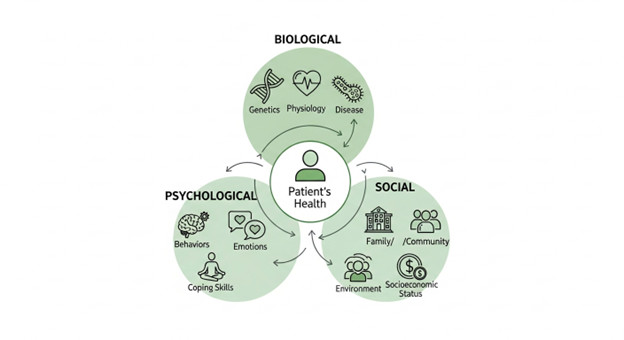
At its core, MSU CHM champions the biopsychosocial model, a comprehensive framework that views health and illness as the product of interconnected biological, psychological, and social factors. This means that students are trained to look beyond symptoms and diagnoses to understand the patient as a whole person, considering their environment, emotional well-being, and societal context. This approach is integral to the College of Human Medicine’s mission to train physicians who can provide compassionate, patient-centered care, particularly in addressing the health needs of Michigan communities. Applicants who demonstrate an understanding and embodiment of this model, through their experiences and personal narratives, will find a strong resonance with MSU CHM’s values.
What This Complete Guide Covers
This guide is designed to be your definitive resource for navigating the MSU CHM admissions process. We will meticulously dissect each crucial component, starting with the foundational academic prerequisites and exploring the experiences MSU CHM values in an applicant. You will find detailed insights into the standardized tests required, the strategic construction of your application through AMCAS, your personal statement, and the secondary application, as well as how to prepare for the pivotal interview. Furthermore, we will shed light on the holistic evaluation process and the factors that influence your chances of admission. Our aim is to equip you with the knowledge and strategic perspective necessary to present a strong, authentic application that clearly demonstrates your fit with the Michigan State University College of Human Medicine.
Understanding MSU CHM’s Core Values and Educational Philosophy
The Michigan State University College of Human Medicine is more than just an academic institution; it is a community dedicated to a specific vision of medical education and practice. Its core values are deeply embedded in its curriculum and its engagement with the state of Michigan. Understanding these tenets is not merely about meeting requirements, but about aligning your own aspirations and experiences with the mission of the College of Human Medicine.
The Shared Discovery Curriculum: A Foundational Approach to Learning
MSU CHM’s educational philosophy is best exemplified by its innovative “Shared Discovery Curriculum.” This approach moves away from traditional, compartmentalized learning by integrating basic sciences with clinical medicine from the very beginning of medical school. Students engage in problem-based learning, collaborative inquiry, and early clinical experiences, fostering a deeper understanding of how scientific knowledge directly applies to patient care. This curriculum emphasizes the development of critical thinking, lifelong learning skills, and the ability to integrate information from various sources. For an applicant, this means highlighting experiences that showcase curiosity, a desire for in-depth understanding, and the ability to work collaboratively.
Community-Based Education and Clinical Campuses: Beyond Traditional Settings
A cornerstone of the MSU CHM experience is its extensive network of community-based medical education and clinical campuses spread throughout Michigan. Unlike many medical schools that concentrate their clinical training in large urban hospitals, MSU CHM places a significant emphasis on hands-on learning in diverse community settings. This allows students to gain invaluable experience with a broad spectrum of patient populations and healthcare challenges, fostering a deep understanding of primary care and the realities of practicing medicine in various environments. The program’s commitment to sending students to these varied clinical sites underscores its dedication to providing a well-rounded, practical medical education.
Commitment to Underserved and Rural Medicine: Aligning Your Mission
MSU CHM has a profound and longstanding commitment to addressing the healthcare needs of underserved and rural populations in Michigan. This mission is not just a statement; it is woven into the fabric of the curriculum and the selection process. The college actively seeks students who share this dedication and are interested in careers that focus on primary care, community health, and serving populations that often face significant barriers to accessing quality healthcare. Applicants who have demonstrated a genuine passion for service, particularly to underserved or rural communities, through volunteer work, research, or personal experiences, will find their motivations strongly aligned with MSU CHM’s core objectives.
The Pre-Medical Foundation: Academic Prerequisites & GPA Expectations
A strong academic foundation is a prerequisite for admission to any medical school, and MSU CHM is no exception. While the admissions committee employs a holistic review, the rigor of your undergraduate coursework and your academic performance are critical components of your application. Understanding these expectations is crucial for prospective applicants to assess their preparedness and identify areas for improvement.
Essential Science Courses: Building a Strong Base for Your MD Program
MSU CHM requires a comprehensive understanding of foundational scientific principles, which are assessed through specific prerequisite courses. These courses are designed to ensure that all applicants have the necessary background knowledge to succeed in the rigorous medical school curriculum and to prepare them for the Medical College Admission Test (MCAT). Key science courses include:
- General Biology: Typically requiring at least one year of coursework, including laboratory components, covering fundamental biological principles.
- General Chemistry: At least one year of general chemistry, including laboratory work, covering atomic structure, stoichiometry, bonding, and reactions.
- Organic Chemistry: At least one year of organic chemistry, including laboratory experience, delving into the structure, properties, and reactions of carbon-containing compounds.
- Physics: At least one year of general physics, including laboratory work, covering mechanics, electricity, magnetism, optics, and thermodynamics.
Beyond these core sciences, MSU CHM often recommends or requires additional coursework to further strengthen an applicant’s preparation. This can include advanced biology courses such as Biochemistry, Genetics, and Cell Biology, which provide deeper insights into the molecular and cellular mechanisms of life. A solid grasp of Chemistry principles, encompassing both general and organic, is fundamental for understanding many physiological and pathological processes. Furthermore, courses in Mathematics (Calculus and Statistics) and Social Sciences/Behavioral Sciences (Psychology, Sociology) are highly valued, reflecting the biopsychosocial approach to medicine.
Understanding GPA: Science, Non-Science, and Overall Academic Performance
Your Grade Point Average (GPA) is a significant indicator of your academic performance and your ability to handle the demanding coursework of medical school. MSU CHM evaluates multiple GPA metrics to gain a comprehensive understanding of your academic history. This typically includes:
- Overall GPA: This reflects your performance across all undergraduate courses taken.
- Science GPA (BCPM GPA): This is a crucial metric that specifically assesses your performance in Biology, Chemistry, Physics, and Mathematics courses. Medical schools place a strong emphasis on the Science GPA as it directly relates to the scientific foundation required for medical studies and the MCAT.
While there is no strict minimum GPA, successful applicants typically present strong academic records. A competitive GPA demonstrates consistent academic achievement and mastery of challenging subjects. It is important to note that MSU CHM, like most medical schools, considers your entire academic trajectory. Trends in your GPA, such as upward improvement over time, can be viewed favorably. Similarly, any unique circumstances that may have impacted your GPA should be thoughtfully addressed in your application materials.
Beyond Academics: Cultivating Experiences MSU Values
While academic rigor is a foundational requirement, MSU CHM places significant emphasis on the breadth and depth of experiences an applicant brings. These experiences are crucial for demonstrating your commitment to medicine, your understanding of the healthcare field, your compassion, and your alignment with the College of Human Medicine’s mission. The admissions committee looks for evidence of personal growth, maturity, and a well-rounded perspective.
Clinical Exposure and Physician Observation (Shadowing): Gaining Real-World Insight
Direct exposure to the medical field through clinical exposure and shadowing is invaluable. Observing physicians in various settings allows you to gain firsthand insight into the day-to-day realities of patient care, the doctor-patient relationship, and the challenges and rewards of the medical profession. It’s not just about tallying hours, but about reflecting on what you’ve learned. MSU CHM values applicants who have engaged meaningfully in these experiences, showing a capacity for observation, critical reflection, and a genuine understanding of the physician’s role. Documenting these experiences thoughtfully in your AMCAS application, and being prepared to discuss specific insights during an interview, is essential.
Volunteer and Service Activities: Demonstrating Compassion and Community Engagement
MSU CHM has a deep-seated commitment to serving the community, particularly underserved populations. Therefore, a consistent record of volunteer and service activities is highly valued. This can encompass a wide range of activities, from working at a free clinic, volunteering at a local hospital, participating in health outreach programs, or engaging in community service projects that address social determinants of health. The key is to demonstrate a sustained commitment and a genuine desire to make a positive impact. The quality and depth of your involvement, along with your ability to reflect on the lessons learned and how these experiences have shaped your perspective on healthcare and your desire to practice medicine, are paramount.
Research Integration: Fostering Inquiry and Critical Thinking
Engaging in research is another experience that MSU CHM highly regards, as it signifies an applicant’s capacity for inquiry, critical thinking, and scientific curiosity. This could involve laboratory-based research, clinical research, or even public health research. While a specific type of research is not mandated, the committee seeks to understand your role in the research process, your contributions, and the intellectual insights you gained. Demonstrating an ability to ask questions, design studies (even at a basic level), analyze data, and draw conclusions showcases a scientific aptitude that is crucial for medical training and the practice of evidence-based medicine.
Leadership and Extracurricular Activities: Showcasing Key Physician Qualities
Beyond direct clinical or research experiences, involvement in leadership roles and other extracurricular activities provides evidence of your interpersonal skills, teamwork abilities, and capacity for responsibility. Whether you served as a team captain, led a student organization, or contributed significantly to a club, these experiences highlight qualities such as communication, problem-solving, decision-making, and the ability to motivate others. MSU CHM looks for applicants who can demonstrate these essential physician qualities, showing that they can effectively interact with colleagues, patients, and the broader healthcare system.
Standardized Testing: MCAT, CASPer, and PREview
Standardized tests play a significant role in the medical school admission process, providing a common benchmark for evaluating applicants’ academic preparedness and suitability for the rigors of medical training. MSU CHM utilizes several standardized assessments to gain a comprehensive understanding of each applicant’s capabilities and potential.
The Medical College Admission Test (MCAT): Your Comprehensive Academic Score
The MCAT is a critical component of the admission process for virtually all U.S. medical schools, including MSU CHM. This challenging, multi-section exam assesses your knowledge of scientific concepts and principles fundamental to medicine, as well as your critical analysis, reasoning, and problem-solving skills. The MCAT is divided into four sections: Chemical and Physical Foundations of Biological Systems; Critical Analysis and Reasoning Skills (CARS); Biological and Biochemical Foundations of Living Systems; and Psychological, Social, and Biological Foundations of Behavior.
Achieving competitive MCAT scores is essential for an applicant’s admission to MSU CHM. While the university utilizes a holistic review process, meaning your score is considered alongside all other aspects of your application, it remains a vital indicator of your academic readiness. Successful applicants typically present strong scores across all sections. It is advisable to prepare thoroughly for the MCAT, ideally taking it well in advance of application submission to allow time for retakes if necessary. Understanding the score ranges and the expectations for each section will help you set realistic preparation goals.
Situational Judgment Tests: CASPer and PREview
In addition to the MCAT, MSU CHM may require or recommend applicants complete situational judgment tests (SJTs) such as CASPer or PREview. These tests are designed to assess your non-cognitive skills and professional competencies, such as ethics, communication, empathy, and critical thinking in real-world scenarios. They present hypothetical situations and ask how you would respond, evaluating your judgment and decision-making abilities.
These tests are particularly important for MSU CHM, given its emphasis on the biopsychosocial model and community engagement. They provide the admissions committee with insights into your interpersonal skills and your ability to navigate complex ethical and social challenges inherent in medical practice. Preparing for these tests involves understanding common scenarios and practicing articulating your responses in a thoughtful, ethical, and compassionate manner.
Crafting Your Application Narrative: AMCAS, Personal Statement & Secondary Application
The application process for medical school is a comprehensive endeavor that requires careful attention to detail and a strategic approach to presenting your unique story. For admission to MSU CHM, you will navigate the centralized AMCAS application, craft a compelling personal statement, and respond to the specific prompts of the MSU CHM secondary application. Each of these components offers a distinct opportunity to showcase your qualifications, experiences, and alignment with the college’s mission.
The AMCAS Application: Your Centralized Dossier
The American Medical College Application Service (AMCAS) application serves as the primary platform for your medical school applications. This comprehensive document requires detailed information about your academic history, work experiences (including clinical, research, and volunteer roles), honors, awards, and personal achievements. Accuracy and thoroughness are paramount when completing the AMCAS application. Ensure all information is meticulously entered, as it forms the foundational record that medical schools, including MSU CHM, will use for their initial evaluation. You will need to designate MSU CHM as a recipient of your application, and it is advisable to submit this primary application early in the application cycle to allow ample time for subsequent steps.
The Personal Statement: Telling Your Unique Story to MSU
Your personal statement is a critical essay within the AMCAS application, offering you the platform to articulate your motivations for pursuing a career in medicine. For admission to MSU CHM, this statement should go beyond simply recounting your experiences; it should weave them into a cohesive narrative that explains why you are drawn to medicine and, specifically, why MSU CHM is the right place for you. Reflect on your journey, the pivotal moments that have shaped your aspirations, and how your values and experiences align with MSU’s commitment to the biopsychosocial model, community-based education, and serving underserved populations. Authenticity, introspection, and a clear demonstration of your understanding of the physician’s role are key to crafting a compelling personal statement.
The MSU CHM Secondary Application: A Deeper Dive into Your Fit
Once MSU CHM receives and reviews your primary AMCAS application, eligible applicants will be invited to complete a secondary application. This application allows MSU CHM to gather more specific information tailored to their institution and to further assess your fit with their unique educational philosophy and mission. The secondary application typically includes essay prompts that delve deeper into specific aspects of your background, experiences, and motivations.
These essays are your opportunity to articulate your specific interest in MSU CHM, addressing how your experiences in Research, community service, or leadership align with their commitment to underserved and rural Michigan communities. You may be asked to discuss your understanding of the biopsychosocial model, your interest in their community-based curriculum, or your thoughts on health disparities. It is crucial to address each prompt directly and thoughtfully, providing specific examples and demonstrating genuine insight. The evaluation committee uses the secondary application to gauge your suitability beyond your academic metrics and standardized test scores.
Letters of Recommendation (Letters of Evaluation): Your Advocates in the Process
Letters of recommendation, often referred to as Letters of Evaluation, are an indispensable part of your medical school application. These letters provide the admissions committee with third-party perspectives on your abilities, character, and potential for success in medical school and as a physician. For MSU CHM, carefully selected and well-written letters can significantly bolster your application.
Selecting the Right Recommenders
The choice of who to ask for a letter of recommendation is paramount. MSU CHM typically requests letters from individuals who know you well in an academic or professional capacity and can speak to your strengths and potential as a future physician. This often includes professors from your undergraduate coursework, particularly those in science disciplines, who can attest to your academic performance and intellectual curiosity. It is also beneficial to include recommendations from individuals who have supervised you in significant experiences, such as your research mentor, a physician you shadowed extensively, or a supervisor from a volunteer organization where you held a leadership role.
What Your Recommenders Should Emphasize for MSU
When requesting a letter, provide your recommenders with ample information about your aspirations and the specific qualities MSU CHM values. This includes your resume or CV, your personal statement (or a draft), and information about MSU CHM’s mission, particularly its focus on the biopsychosocial model, community engagement, and rural/underserved populations. Encourage your recommenders to go beyond generic praise and to provide specific anecdotes and examples that illustrate your:
- Academic Aptitude: Your performance in their class, intellectual engagement, and ability to grasp complex concepts.
- Critical Thinking and Problem-Solving Skills: How you approach challenges and analyze information.
- Interpersonal Skills and Teamwork: Your ability to collaborate, communicate effectively, and build relationships.
- Maturity and Professionalism: Your ethical conduct, responsibility, and overall character.
- Dedication to Service: Your commitment to helping others and contributing to the community.
- Alignment with MSU’s Mission: How your experiences and character reflect the values of the College of Human Medicine.
A strong letter of evaluation from a recommender who can speak authentically to these aspects will significantly contribute to your admission consideration by the MSU CHM evaluation committee.
The Interview Process: Demonstrating Your Fit and “Soft Skills”
The interview is often the final and most personal stage of the medical school admissions process. For MSU CHM, the interview is a critical opportunity for the admissions committee to assess your suitability beyond your academic record and application essays. It is a chance for you to demonstrate your interpersonal skills, critical thinking, communication abilities, and, most importantly, your alignment with the college’s core values and mission.
MSU’s Interview Format: Preparing for Success
While interview formats can vary among medical schools and even year to year, MSU CHM typically employs an interview process designed to evaluate a broad range of competencies. It is essential to research the most current interview format for the application cycle you are participating in. Many medical schools, including those with a strong focus on holistic review like MSU CHM, have moved towards Multiple Mini Interviews (MMIs) or structured traditional interviews. Regardless of the format, preparation is key. This involves not only reviewing your own application thoroughly but also understanding MSU CHM’s mission, curriculum, and commitment to the biopsychosocial approach and community-based education. Practice articulating your thoughts clearly, concisely, and thoughtfully.
Showcasing Your Interpersonal Skills and Alignment with MSU’s Mission
During the interview, the admissions committee will be looking for evidence of your “soft skills” – your ability to communicate effectively, listen attentively, think critically under pressure, and demonstrate empathy and professionalism. Be prepared to discuss your experiences in depth, providing specific examples that illustrate your strengths and how they relate to the practice of medicine. Crucially, articulate why you are interested in MSU CHM specifically. Go beyond generic statements about wanting to be a doctor and explain how your values, experiences, and career aspirations align with the unique educational philosophy and community-focused mission of the Michigan State University College of Human Medicine. Demonstrating a genuine understanding of and enthusiasm for their approach to medicine will strongly influence the evaluation of your candidacy.
Understanding Your Chances: Admissions Statistics and Holistic Review
Navigating the admissions process for competitive medical schools like MSU CHM can feel daunting. While academic metrics and standardized test scores provide a baseline for evaluation, MSU CHM employs a holistic review process to gain a comprehensive understanding of each applicant. This means that all facets of your application – your academic achievements, MCAT scores, life experiences, personal statement, secondary essays, letters of recommendation, and interview performance – are considered in concert.
While specific admission statistics, such as the exact acceptance rate or the median GPA and MCAT scores of matriculants, can fluctuate annually, successful applicants typically present strong profiles. However, MSU CHM places significant weight on aligning with their mission. For instance, their commitment to Michigan residents is a notable factor; Michigan State University College of Human Medicine often prioritizes applicants from within the state. Out-of-state applicants are still considered, but they often need to demonstrate an exceptionally strong application and a clear rationale for choosing MSU CHM. Understanding the holistic review means focusing on presenting a complete and compelling narrative that highlights your strengths across all areas, demonstrating not just your potential for academic success but also your character, commitment to service, and fit with the college’s unique educational approach.
Conclusion
Gaining admission to the Michigan State University College of Human Medicine is a challenging yet achievable goal for dedicated and well-prepared applicants. This comprehensive guide has illuminated the critical components of the MSU CHM admissions process, from understanding its distinctive biopsychosocial approach and community-based curriculum to meeting academic prerequisites and excelling in standardized testing. We have explored the importance of cultivating rich experiences, crafting a compelling narrative through your AMCAS application, Personal Statement, and secondary application, and securing strong Letters of Evaluation. The interview serves as a crucial opportunity to demonstrate your alignment with MSU CHM’s mission and showcase your interpersonal skills.
Remember, MSU CHM employs a holistic evaluation process, meaning that while strong MCAT scores and GPA are important, they are considered alongside your experiences, character, and demonstrated commitment to serving others, particularly within Michigan. By meticulously preparing each element of your application and genuinely reflecting on how your aspirations align with the values of the College of Human Medicine, you can significantly enhance your candidacy. The journey to medical school requires perseverance and strategic planning. By focusing on authenticity, demonstrating a clear understanding of MSU CHM’s mission, and presenting a complete picture of your potential, you can confidently submit your application and embark on what could be a transformative medical education at Michigan State University.
Frequently Asked Questions About MSU College of Human Medicine
1. What GPA do you need to get into Michigan State University College of Human Medicine?
The average GPA of matriculating students at MSU College of Human Medicine is approximately 3.9. While there is no published minimum, competitive applicants typically hold a cumulative and science GPA at or above 3.7. MSU CHM takes a holistic review approach, so strong research, clinical experience, and community service can strengthen a lower-than-average GPA application.
2. What MCAT score is needed for Michigan State University College of Human Medicine?
The average MCAT score for enrolled students at MSU CHM is 509 for the 2025–2026 cycle. Competitive applicants typically score between 507 and 515. The college does not publish a strict minimum score, but scores below 505 significantly reduce the likelihood of an interview invitation.
3. What is the acceptance rate at Michigan State University College of Human Medicine?
The acceptance rate at MSU College of Human Medicine is approximately 2.33% for the 2025–2026 application cycle. Out of roughly 8,296 applicants, 193 students matriculated into the first-year class. This makes MSU CHM a highly selective institution despite its mission-driven, community-focused admissions philosophy.
4. How many people apply to Michigan State University College of Human Medicine each year?
Approximately 8,296 applicants submitted applications to MSU College of Human Medicine for the 2025–2026 cycle. The entering class size is around 193 students, making the school competitive but attainable for well-prepared applicants. Total enrollment across all four years of the MD program is approximately 822 students.
5. Does Michigan State University College of Human Medicine accept out-of-state applicants?
Yes, MSU College of Human Medicine does accept out-of-state applicants, though Michigan residents receive preference in admissions. Out-of-state tuition is significantly higher at $61,576 per year compared to the in-state rate of $33,752 per year (2025–2026 figures). Out-of-state applicants with strong ties to Michigan, interest in primary care, or a commitment to underserved communities may strengthen their application.
6. What is the interview format at Michigan State University College of Human Medicine?
MSU CHM uses a combination interview format consisting of a 30-minute structured one-on-one interview with a current medical student and a four-station Multiple Mini Interview (MMI). Interviews are conducted virtually. Applicants are also required to complete either the CASPer situational judgment test (Altus Suite) or the AAMC PREview Exam as part of their application.
7. What are the secondary essay prompts for Michigan State University College of Human Medicine?
For the 2025–2026 application cycle, MSU CHM secondary essays include a prompt asking applicants to address systemic injustices and inequities (400 words or fewer) and a prompt asking what the applicant wants the admissions committee to know about them (400 words or fewer). The secondary application deadline is November 15, 2025, and the secondary fee is $100, with fee assistance waivers available.
8. How much does it cost to attend Michigan State University College of Human Medicine?
For the 2025–2026 academic year, tuition and fees at MSU College of Human Medicine are $33,752 per year for Michigan residents and $61,576 per year for non-residents. Total cost of attendance, including living expenses, books, and health insurance, is higher. MSU CHM participates in federal financial aid programs, and scholarships and loan assistance are available through the school.
9. What is the distributed community campus model at Michigan State University College of Human Medicine?
MSU College of Human Medicine was among the first U.S. medical schools to adopt a community-based, distributed education model when it was founded in 1964. Students complete their clerkships and clinical training at one of eight community campuses spread across Michigan, including sites in Grand Rapids, Flint, Lansing, and several rural regions. This model is designed to train physicians comfortable practicing in diverse settings, including underserved urban and rural communities.
10. What is MSU College of Human Medicine’s focus on underserved and primary care medicine?
MSU CHM has a strong institutional emphasis on primary care, health equity, and serving medically underserved populations. The college extended this mission in 2026 by launching the Primary Care Research Collaborative, which builds research capacity within community-based residency programs across Michigan. Approximately 50% of the college’s NIH funding is directed toward public health research addressing social determinants of health and health disparities.