
Embarking on the journey to become a physician is a profound commitment, and for many aspiring doctors, the dream is intertwined with the esteemed legacy of Texas A&M University. The Texas A&M College of Medicine stands as a beacon of medical education, fostering a unique brand of physician deeply committed to service, excellence, and the vibrant healthcare needs of Texas and beyond. Gaining admission to such a prestigious institution is a multifaceted endeavor, demanding meticulous preparation, a deep understanding of the school’s ethos, and a compelling demonstration of one’s potential. This comprehensive guide is designed to demystify the Texas A&M medical school admissions process, offering a strategic roadmap for prospective applicants. We will navigate the intricacies of building a competitive profile, mastering the application components, understanding the unique programs offered, and ultimately, acing the interview. Whether you are just beginning to consider medical school or are deep into your application cycle, this guide aims to equip you with the knowledge and insights necessary to chart your course toward becoming an Aggie physician.
This blog will cover:
- The Aggie Dream – Charting Your Course to Texas A&M College of Medicine
- Laying the Foundation: Building a Competitive Applicant Profile for Texas A&M
- Navigating the Texas Application Gateway: The TMDSAS Primary Application
- Crafting Your Story for Texas A&M: The Secondary Application
- Texas A&M’s Unique Pathways: Specialized Programs and Opportunities
- Acing the Interview: Demonstrating Your Fit and Potential
- Conclusion
The Aggie Dream – Charting Your Course to Texas A&M College of Medicine
Welcome to Your Admissions Guide
The path to medical school is renowned for its rigor, and the Texas A&M College of Medicine, a cornerstone of medical education in Texas, represents a particularly sought-after destination for aspiring physicians. This guide serves as your essential companion, designed to illuminate every facet of the admissions journey. We understand that navigating the application process for highly competitive medical schools can feel daunting, filled with specific requirements, unique program offerings, and a distinct institutional culture. Our aim is to provide clarity, strategic advice, and actionable insights to help you present your strongest self to the admissions committee. By the end of this guide, you will possess a clear understanding of what Texas A&M College of Medicine seeks in its future physicians and how to effectively showcase your qualifications and aspirations.
Why Texas A&M Medical School? Understanding the Vashisht College of Medicine Ethos
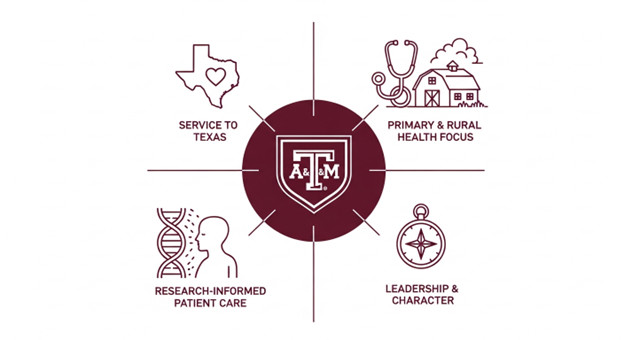
Texas A&M University’s College of Medicine is more than just a place to earn a medical degree; it’s a community driven by a powerful mission. Known officially as the Vashisht College of Medicine, it distinguishes itself through a commitment to serving the diverse healthcare needs of Texas, emphasizing primary care, rural health, and the integration of cutting-edge research with patient-centered clinical practice. The institution fosters an environment where medical education is not only about acquiring knowledge and skills but also about cultivating character, leadership, and a profound sense of service. Applicants are encouraged to understand and align with the college’s core values: Excellence, Integrity, Leadership, Loyalty, Respect, and Selfless Service. These aren’t just abstract ideals; they are woven into the fabric of the curriculum, the research endeavors, and the community outreach programs. Prospective students should reflect deeply on how their own values and experiences resonate with this unique Aggie ethos.
What Makes an Aggie Physician Stand Out?
An Aggie physician is not merely a clinician; they are a leader, a problem-solver, and a dedicated member of the community. Texas A&M College of Medicine actively seeks applicants who demonstrate a blend of exceptional academic aptitude and a genuine commitment to the principles that define an Aggie. This includes a proven capacity for rigorous academic work, a foundation in scientific inquiry, and a history of meaningful engagement in clinical settings, research, and community service. Beyond these tangible achievements, the admissions committee looks for individuals who exhibit resilience, empathy, strong ethical grounding, and a proactive approach to addressing healthcare challenges. They value applicants who can articulate a clear vision for their future in medicine and demonstrate how their unique background and experiences will contribute to the diverse and dynamic Texas A&M medical community. The “Aggie Family” culture is strong, and they seek individuals who will not only thrive within it but also contribute positively to its collaborative and supportive spirit.
Laying the Foundation: Building a Competitive Applicant Profile for Texas A&M
Academic Excellence: Prerequisites and GPA Expectations
The bedrock of any successful medical school application lies in a strong academic record. Texas A&M College of Medicine, like all reputable medical schools, requires applicants to demonstrate a solid foundation in the sciences. While specific prerequisite course requirements can be found on the official admissions website and may evolve, they typically include foundational subjects such as general biology, general chemistry, organic chemistry, physics, and mathematics. Advanced coursework in areas like genetics, biochemistry, and advanced biology is highly encouraged and can significantly strengthen an application.
Beyond simply completing the required courses, maintaining a high Grade Point Average (GPA) is crucial. Texas A&M employs a holistic review process, meaning GPA is considered alongside many other factors. However, a competitive GPA signals to the admissions committee that an applicant has the academic discipline and capability to succeed in the demanding medical curriculum. Successful applicants often present a cumulative GPA well above 3.5, with many admitted students having GPAs in the 3.7-3.9 range. A strong upward trend in grades can also be beneficial, especially if initial academic performance was impacted by adjustment to college-level rigor. It is essential to perform exceptionally well in all science courses, as these are often scrutinized closely.
Mastering the MCAT: A Critical Component of Your Application
The Medical College Admission Test (MCAT) serves as a standardized measure of an applicant’s knowledge base, critical thinking, and problem-solving skills essential for success in medical school and the practice of medicine. It is a significant component of the Texas A&M College of Medicine’s holistic review. Applicants are strongly advised to dedicate ample time and resources to MCAT preparation. A well-structured study plan, practice tests, and potentially review courses are often key to achieving a competitive score.
While there is no strict minimum MCAT score, successful applicants typically score within the upper percentiles. The average MCAT score for matriculants at competitive medical schools often falls between the 510-515 range, though this can vary year to year. Texas A&M College of Medicine considers the MCAT score in conjunction with academic performance, experiences, and personal qualities. A strong MCAT score can help offset minor weaknesses in other areas, but it cannot compensate for a generally weak overall application. It is recommended to take the MCAT with enough time to retake it if necessary, though aiming for your best performance on the first attempt is ideal. Early preparation and a strategic approach to studying are paramount.
Gaining Meaningful Experience: Clinical, Research, and Service
Beyond academics, Texas A&M College of Medicine seeks applicants who have demonstrated a genuine commitment to medicine and service through varied experiences. A robust profile includes significant engagement in clinical settings, research endeavors, and community service.
Clinical Experience: This is fundamental for any aspiring physician. It allows applicants to gain firsthand exposure to patient care, observe the dynamics of healthcare teams, and confirm their passion for the medical profession. Meaningful clinical experience goes beyond simple observation; it involves direct patient interaction, understanding patient needs, and witnessing the compassionate side of healthcare. Activities such as volunteering in hospitals or clinics, working as a medical scribe, or engaging in patient-facing roles in community health settings are highly valued. Shadowing physicians across various specialties can provide a broader perspective on the practice of medicine.
Research Experience: Involvement in research demonstrates an applicant’s scientific curiosity, analytical skills, and ability to contribute to the advancement of medical knowledge. Texas A&M College of Medicine places a strong emphasis on research. This can include bench research, clinical research, public health research, or even research related to medical education or ethics. Participating in a research project from conception to completion, presenting findings, or even co-authoring a publication can significantly bolster an application. Applicants should be able to articulate their role, the skills they developed, and the insights they gained from their research involvement.
Service and Community Involvement: A core tenet of the Aggie ethos is selfless service. Demonstrating a sustained commitment to serving others, particularly underserved populations, is highly valued. This can manifest through long-term volunteer commitments, leadership roles in service organizations, or participation in medical mission trips. The key is to showcase genuine dedication and impact, reflecting an understanding of and willingness to address community needs. This aspect of an applicant’s profile highlights their empathy, altruism, and potential to contribute to the broader healthcare landscape.
Cultivating Core Values: Developing Personal Attributes and Character
While academic achievements and experiences are critical, Texas A&M College of Medicine places significant importance on the personal attributes and character of its applicants. The “Aggie Core Values”—Excellence, Integrity, Leadership, Loyalty, Respect, and Selfless Service—are not merely buzzwords; they are guiding principles that shape the educational experience and the future practice of its graduates. Applicants must actively cultivate and demonstrate these qualities throughout their journey.
Integrity is demonstrated through honesty, ethical conduct, and accountability in all actions. Leadership can be shown not only through formal positions but also through initiative, teamwork, and the ability to inspire others. Respect is evident in how one interacts with peers, mentors, and patients from diverse backgrounds. Resilience is showcased through the ability to overcome challenges, learn from setbacks, and persevere in the face of adversity. Empathy, compassion, and strong communication skills are vital for building trust with patients and collaborating effectively with healthcare teams. Applicants should reflect on specific instances that exemplify these traits and be prepared to articulate them during the application process, particularly in essays and interviews.
Navigating the Texas Application Gateway: The TMDSAS Primary Application
Understanding the Texas Medical and Dental Schools Application Service (TMDSAS)
For applicants seeking admission to Texas public medical schools, including Texas A&M College of Medicine, the primary application platform is the Texas Medical and Dental Schools Application Service (TMDSAS). Unlike many other states that utilize the American Medical College Application Service (AMCAS), Texas institutions have established TMDSAS to streamline the application process for residents and to ensure that applicants are evaluated within the context of the state’s unique healthcare needs and educational landscape. It is imperative for all applicants to familiarize themselves with TMDSAS thoroughly, as it serves as the gateway to their medical school aspirations within Texas. Understanding its structure, requirements, and submission procedures is the first critical step in the application journey.
Completing Your TMDSAS Primary Application: Key Sections
The TMDSAS primary application is a comprehensive document that requires careful and detailed completion. It is the initial screening tool used by admissions committees to assess the foundational qualifications of applicants. Key sections include:
- Personal Information: Standard demographic and contact details.
- Coursework: A detailed entry of all undergraduate and graduate courses taken, including grades, credit hours, and GPA calculations. Accuracy here is paramount.
- Work and Activities: This section is crucial for showcasing your experiences. You’ll categorize activities such as clinical experience, research, volunteer work, employment, leadership roles, and extracurricular involvement. For each entry, you must provide a concise description, details about your involvement, and reflections on what you learned.
- Personal Essay: This is your opportunity to introduce yourself, articulate your motivations for pursuing medicine, and highlight key experiences that have shaped your aspirations. It should be a compelling narrative that sets the stage for the rest of your application.
- Letters of Recommendation: You will designate individuals who will submit letters of recommendation on your behalf. It’s important to choose recommenders who know you well and can speak to your strengths.
Thoroughness and accuracy are essential in every section. Admissions committees scrutinize this document closely for evidence of commitment, competence, and character.
The Importance of the TMDSAS “Optional Essay” (Personal Characteristics, Significant Experiences, etc.)
Within the TMDSAS application, there is often an “optional essay” section, sometimes framed as “Personal Characteristics” or “Significant Experiences.” While marked as optional, this section is far from it in practice for competitive applicants. It represents a prime opportunity to provide additional context, elaborate on experiences not fully captured in the Work and Activities section, or address unique circumstances that have shaped your journey.
This is where you can truly differentiate yourself. Use this space to delve deeper into a particularly impactful experience, explain personal challenges you’ve overcome, discuss educational disadvantages you’ve navigated, or elaborate on how you embody the core values of Texas A&M. For instance, if you faced significant adversity that demonstrates resilience, or if you have a unique perspective gained from a non-traditional path, this optional essay is the place to articulate it. Admissions committees look for authenticity, self-awareness, and a clear understanding of how these experiences have prepared you for medical school. This is not a place for repetition but for insightful reflection that adds depth and personality to your application.
Application Strategy: Timelines and Submission Deadlines
Navigating the application timeline is critical for a successful application to Texas A&M College of Medicine. Early submission is generally advisable, as applications are reviewed on a rolling basis. This means that the sooner your application is complete and submitted, the sooner it can be reviewed, potentially increasing your chances of securing an interview.
The TMDSAS application typically opens in early May, and early submission of the primary application is strongly recommended, ideally within the first few weeks of its opening. Deadlines for primary application submission are usually in late fall, but aiming for the earliest possible submission window (June-August) is a strategic advantage. Following the submission of the primary application, Texas A&M College of Medicine will review it. If selected for further consideration, applicants will receive an invitation to complete the secondary application, typically starting in late May or June and extending through the fall. It is vital to monitor your email closely for these invitations and to complete and submit the secondary application promptly, usually within two to four weeks of receiving it. Adhering strictly to all deadlines for TMDSAS, secondary applications, and any prerequisite requirements is non-negotiable.
Crafting Your Story for Texas A&M: The Secondary Application
Understanding the Texas A&M College of Medicine Secondary Application Questions
Once your TMDSAS primary application has been reviewed and deemed competitive, Texas A&M College of Medicine will invite you to complete its secondary application. This stage is highly personalized and serves as a crucial opportunity to demonstrate your specific interest in and fit with Texas A&M. The secondary application typically consists of a series of essays designed to probe your motivations, experiences, and alignment with the school’s mission and values.
These essay prompts are crafted to elicit thoughtful responses that go beyond the general information provided in the primary application. They might ask about your reasons for choosing Texas A&M specifically, your understanding of the college’s mission, your experiences with diverse populations, your leadership potential, or how you have demonstrated the Aggie Core Values. Preparing well-structured, insightful, and authentic responses is paramount. Admissions committees use these essays to gauge your self-awareness, your commitment to medicine, and your potential to thrive within the Aggie medical community.
Demonstrating Your “Why Texas A&M?”: Researching the College of Medicine
A compelling “Why Texas A&M?” essay is crucial for the secondary application. This requires more than a superficial understanding of the institution; it demands thorough research. Applicants should delve into the Texas A&M College of Medicine’s specific mission statements, its approach to medical education, its faculty’s research interests, its community outreach programs, and its impact on healthcare in Texas.
Explore the unique programs offered, such as EnMed or the Rural and Underserved Populations in Medicine (RUPP) track, and consider how they align with your personal and professional goals. Research specific faculty members whose work resonates with you, or clinical sites where you envision yourself learning and contributing. Understanding the Vashisht College of Medicine’s commitment to primary care and its role in addressing Texas’s specific healthcare challenges will allow you to articulate a genuine connection. Your essay should not just state your interest; it should demonstrate a well-informed appreciation for what makes Texas A&M unique and how you envision yourself contributing to its specific mission and community.
Showcasing Core Values: Weaving in Integrity, Resilience, and Professionalism
The secondary application essays provide an ideal platform to explicitly showcase how you embody the Aggie Core Values. Beyond simply listing them, weave them into narratives that illustrate your character and personal growth.
For Integrity, reflect on situations where you upheld ethical standards, even when difficult. For Resilience, describe challenges you have faced and how you persevered, learned, and grew from them. Professionalism can be demonstrated through examples of your accountability, responsibility, and respectful interactions with others. Admissions committees look for authenticity and self-awareness. Instead of stating “I am resilient,” describe a specific situation where you demonstrated resilience and what that experience taught you. Connecting these personal attributes to your experiences in clinical settings, research, or community service provides concrete evidence of your character and suitability for the demanding environment of medical school and the practice of medicine.
Addressing Unique Circumstances: Personal Challenges and Educational Disadvantage
Texas A&M College of Medicine recognizes that applicants come from diverse backgrounds and may have faced unique challenges. The secondary application provides an opportunity to address these circumstances if they have significantly impacted your academic or personal journey. This could include socioeconomic challenges, family responsibilities, health issues, or educational disadvantages.
The key is to present these challenges not as excuses, but as experiences that have shaped you, fostered resilience, and perhaps even strengthened your commitment to medicine. Focus on what you learned from these situations and how they have prepared you for the rigors of medical school. Frame your narrative around overcoming adversity, demonstrating your strength of character, resourcefulness, and determination. This section allows the admissions committee to gain a more complete understanding of your background and your potential to succeed despite obstacles, further supporting their holistic review of your application.
The Casper Exam: What It Is and How to Prepare (If applicable for Texas A&M)
The Casper (Computer-Based Assessment for Sampling Personal Characteristics) exam is a standardized, online, situational judgment test used by some medical schools to assess non-cognitive skills such as empathy, ethics, professionalism, and resilience. While its application can vary by institution and program, it’s essential for applicants to verify if Casper is a required component for Texas A&M College of Medicine admissions for the current application cycle. Information regarding Casper requirements is typically available on the official admissions website.
If Casper is required, preparation is key. The exam presents a series of video-based scenarios and written or video responses. Applicants should familiarize themselves with the format and practice articulating their thoughts clearly and concisely under timed conditions. Focus on demonstrating your best self by responding authentically, thoughtfully, and with clear ethical reasoning. Emphasize communication skills, problem-solving abilities, and your understanding of professional conduct. Reviewing common situational judgment test scenarios and practicing response strategies can significantly enhance performance.
Texas A&M’s Unique Pathways: Specialized Programs and Opportunities
Texas A&M College of Medicine offers several distinctive programs designed to cater to specific interests and career aspirations, allowing applicants to tailor their medical education journey. These specialized tracks not only provide unique learning experiences but also reflect the college’s commitment to addressing specific healthcare needs within Texas and beyond.
The EnMed Track: Engineering Medicine for Physician-Engineers
The EnMed (Engineering Medicine) track is a groundbreaking dual-degree program offered in partnership with the College of Engineering, leading to both an MD and a Master of Engineering degree. This program is designed for individuals who are passionate about innovation, technology, and the translation of engineering principles into medical solutions. EnMed graduates are poised to become physician-engineers, capable of designing, developing, and implementing new medical devices, technologies, and healthcare solutions.
The program emphasizes an interdisciplinary approach, integrating medical coursework with rigorous engineering studies focused on areas like biomedical engineering, nanotechnology, and artificial intelligence in medicine. Applicants to EnMed typically possess a strong academic background not only in science but also a demonstrated interest or aptitude in engineering and innovation. The application process for EnMed may involve additional essays or interviews specifically tailored to assess a candidate’s suitability for this unique, research-intensive path.
Cadet to Medicine Program: For Corps of Cadets Members and Military Aspirants
Recognizing the deep connection between Texas A&M University and its Corps of Cadets, the Cadet to Medicine program offers a specialized pathway for members of the Corps and other military-affiliated individuals seeking a career in medicine. This program aims to support students committed to military service as physicians, whether in active duty or the reserves.
The Cadet to Medicine program often provides early assurance opportunities or a streamlined application process for qualified candidates within the Corps of Cadets. It acknowledges the leadership, discipline, and commitment instilled through military training and seeks to channel these qualities into a future medical career serving the nation. Applicants interested in this pathway should highlight their military affiliation, leadership experiences within the Corps, and their commitment to serving in the military healthcare system.
Rural and Underserved Populations in Medicine (RUPP): A Commitment to Primary Care
The Rural and Underserved Populations in Medicine (RUPP) program underscores Texas A&M College of Medicine’s dedication to addressing critical healthcare disparities in Texas. This track focuses on preparing physicians to serve rural communities and underserved populations, areas often facing significant physician shortages.
The RUPP program emphasizes primary care specialties and provides students with robust clinical experiences in rural and community health settings. Applicants drawn to this track typically demonstrate a strong interest in primary care, a commitment to service, and a desire to practice in underserved areas. They may have personal experiences or volunteer work that highlights their understanding of the unique challenges and rewards of practicing medicine in these environments. The program aims to cultivate compassionate, skilled physicians who are equipped to meet the specific health needs of these communities.
Pre-Med Fellows and Early Assurance Programs (If applicable): Early Opportunities for High Achievers
Texas A&M University and its College of Medicine may offer various early assurance programs or pre-medical fellowship opportunities designed for highly accomplished undergraduate students. These programs, such as the Aggie to Medicine program, can provide a conditional acceptance to medical school based on continued academic excellence and program participation during undergraduate studies.
These early assurance pathways are designed to provide a clear roadmap for talented students committed to medicine early in their academic careers. They often involve mentorship, specific curriculum guidance, and opportunities to engage with the medical school environment. Applicants interested in these programs should pay close attention to their eligibility criteria, application timelines, and the specific requirements for maintaining their standing within the program. Success in these pathways requires sustained academic achievement and continued demonstration of the qualities sought by the College of Medicine.
Acing the Interview: Demonstrating Your Fit and Potential
Understanding the Texas A&M Medical School Interview Format
The interview stage is a pivotal moment in the Texas A&M College of Medicine admissions process. It is where the admissions committee gains a deeper understanding of you as an individual, beyond the numbers and written statements. The format can vary but often includes a combination of traditional one-on-one interviews with faculty members, current medical students, or administrators, and potentially a Multiple Mini Interview (MMI) format. The MMI involves a series of timed stations where applicants respond to hypothetical scenarios, assessing critical thinking, ethical reasoning, communication skills, and suitability for medical school.
Regardless of the specific format, the interview is designed to evaluate your communication abilities, problem-solving skills, maturity, empathy, and alignment with the Vashisht College of Medicine’s mission and values. It’s an opportunity for you to demonstrate your passion for medicine, your understanding of the institution, and your potential to contribute positively to the Aggie medical community. Thorough preparation is essential for success.
Interview Preparation: Researching the College of Medicine and Faculty
Effective interview preparation hinges on deep knowledge of Texas A&M College of Medicine. Go beyond the mission statement and explore specific aspects of the institution that resonate with you. Revisit the unique programs like EnMed, RUPP, or the Cadet to Medicine track, and understand their objectives and how they align with your interests. Research current faculty members and their research areas; identifying specific professors whose work interests you can provide excellent talking points and demonstrate genuine engagement.
Familiarize yourself with the college’s approach to medical education, its clinical affiliations, and its community impact initiatives. Understand the specific needs of Texas healthcare that the college aims to address. This level of research allows you to tailor your responses, ask insightful questions, and articulate a compelling case for why you are an ideal fit for Texas A&M. It signals to the interviewers that you have invested time and thought into your application and are seriously considering Texas A&M as your chosen path for medical education.
Articulating Your Alignment with Texas A&M’s Core Values
During the interview, you will be asked questions designed to reveal how your personal values and experiences align with the Aggie Core Values: Excellence, Integrity, Leadership, Loyalty, Respect, and Selfless Service. Think of concrete examples from your past that exemplify each of these values.
For instance, when discussing a challenge, frame it through the lens of resilience and the pursuit of excellence. When asked about teamwork, highlight your loyalty to your group and respect for diverse perspectives. If discussing a leadership role, focus on integrity in decision-making and selfless service to the team’s goals. Be prepared to discuss specific instances from your Work and Activities entries, your essays, or your personal experiences. The interview is not just about what you have done, but how you reflect on those experiences and how they have shaped you into the person you are today, ready to embrace the Aggie ethos.
Conclusion
The journey to medical school is a marathon, not a sprint, and admission to Texas A&M College of Medicine requires a comprehensive, strategic approach. By understanding the institution’s ethos, building a robust academic and experiential profile, meticulously crafting your TMDSAS and secondary applications, and preparing diligently for the interview, you can significantly enhance your candidacy. Texas A&M Vashisht College of Medicine seeks not only academically proficient individuals but also those who embody integrity, compassion, and a deep commitment to service, particularly to the state of Texas.
Remember that Texas A&M employs a holistic review process, meaning every aspect of your application is considered. Your academic record and MCAT scores provide a foundation, but your experiences, essays, and interview performance are crucial for demonstrating your character, motivations, and alignment with the Aggie Core Values. The unique programs offered, such as EnMed, the Cadet to Medicine program, and RUPP, present exciting opportunities for specialized training and highlight the college’s commitment to innovation and addressing critical healthcare needs.
As you navigate this demanding but rewarding process, stay organized, seek guidance when needed, and most importantly, let your authentic self shine through. The path to becoming an Aggie physician is challenging, but with thorough preparation and a clear understanding of what Texas A&M College of Medicine values, you can confidently chart your course toward this esteemed goal. Embrace the journey, showcase your unique strengths, and present a compelling case for why you are ready to join the distinguished ranks of Aggie physicians dedicated to advancing healthcare and serving their communities with excellence and integrity.
Frequently Asked Questions About Texas A&M Medical School
1. What GPA do you need to get into Texas A&M University College of Medicine?
The median GPA for admitted students at Texas A&M University Naresh K. Vashisht College of Medicine is 3.91. Competitive applicants typically present both strong science and cumulative GPAs well above a 3.7. Because Texas A&M uses TMDSAS (not AMCAS), Texas residents with slightly lower GPAs may still be competitive given the school’s strong in-state preference. Demonstrating an upward GPA trend can help applicants whose early undergraduate coursework was weaker.
2. What MCAT score do you need for Texas A&M University College of Medicine?
The median MCAT score for matriculants at Texas A&M Vashisht College of Medicine is 513, which sits at approximately the 84th percentile nationally. Admitted students are expected to show balance across all four sections, with no single section significantly below the others. Scores below 510 significantly reduce competitiveness, though a very strong application in other areas may still support a secondary review. Applicants should aim to take the MCAT no later than the spring of the application year to meet TMDSAS deadlines.
3. What is the acceptance rate at Texas A&M University College of Medicine?
Texas A&M Vashisht College of Medicine has an acceptance rate of approximately 3.55% for the 2025 admissions cycle, with around 6,086 applicants competing for roughly 200 seats. This places it among the more selective Texas medical schools. The school’s strong in-state preference means acceptance rates for Texas residents via TMDSAS are meaningfully higher than the overall figure suggests. Out-of-state applicants face significantly steeper odds.
4. How many people apply to Texas A&M University College of Medicine each year?
Approximately 6,086 applicants submitted applications to Texas A&M Vashisht College of Medicine in the most recent admissions cycle, with around 200 students ultimately enrolling. The school receives applications through TMDSAS for Texas residents and AMCAS for out-of-state and international applicants. Competition for seats has grown steadily, making a polished, complete application submitted early in the cycle especially important. The entering class has roughly 866 students enrolled across all four years combined.
5. Does Texas A&M University College of Medicine accept out-of-state applicants?
Yes, Texas A&M Vashisht College of Medicine accepts a limited number of out-of-state applicants, but the vast majority of seats are reserved for Texas residents applying through TMDSAS. Out-of-state applicants apply via AMCAS and face considerably lower odds of admission given the school’s land-grant mission to serve Texas communities. Non-resident annual tuition is approximately $36,098 compared to $22,998 for Texas residents. Out-of-state applicants should have exceptionally strong academic profiles and a compelling reason for wanting to train specifically in Texas.
6. What is the interview format at Texas A&M University College of Medicine?
Texas A&M Vashisht College of Medicine uses a traditional interview format rather than MMI (Multiple Mini Interview). Invited applicants meet with faculty and admissions committee members in a format designed to assess interpersonal skills, values alignment, and fit with the Aggie Core Values of Respect, Excellence, Leadership, Loyalty, Integrity, and Selfless Service. Before receiving an interview invitation, applicants must complete both CASPer and Duet (the Altus Suite value-alignment tools), which are mandatory for eligibility. Interview days are held on campus and offer opportunities to tour the facilities and connect with current students.
7. What are the secondary essay prompts at Texas A&M University College of Medicine?
Texas A&M Vashisht College of Medicine requires four secondary essays, each up to 3,500 characters (except the last). The prompts ask applicants to: (1) describe experiences working with multicultural communities; (2) explain how their values align with the Aggie Core Values of Respect, Excellence, Leadership, Loyalty, Integrity, and Selfless Service; (3) discuss any hardships or disadvantages they have faced and how they addressed them; and (4) briefly identify areas of medicine that appeal to them in 50 words or 250 characters. A secondary application fee is also required and all four prompts are required with no optional essay.
8. How much does Texas A&M University College of Medicine cost?
Annual tuition for Texas residents at Texas A&M Vashisht College of Medicine is approximately $22,998, while out-of-state students pay approximately $36,098 per year for the 2025-2026 academic year. Total estimated cost of completing the four-year M.D. program is approximately $208,580 for Texas residents and $260,980 for non-residents when tuition, fees, and living expenses are factored in. As a public Texas institution, Texas A&M offers one of the more affordable pathways to an M.D. for in-state students, particularly compared to private medical schools. Financial aid, scholarships, and loan programs are available through the university.
9. Does Texas A&M University College of Medicine require CASPer?
Yes, CASPer is mandatory for all applicants to Texas A&M Vashisht College of Medicine and must be completed to maintain admission eligibility. Applicants must also complete Duet, a 15-minute value-alignment assessment from the same Altus Suite platform. CASPer is a 90-minute online situational judgment test that evaluates non-cognitive skills such as empathy, communication, and ethical reasoning. Both assessments must be finished before an applicant can advance in the admissions process, so planning ahead and scheduling them early in the application cycle is strongly advised.
10. What is Texas A&M University College of Medicine’s rural medicine program?
Texas A&M Vashisht College of Medicine has one of the most developed rural medicine programs in the state, rooted in its land-grant mission to improve healthcare access in underserved Texas communities. The Rural Medicine Program places students in communities like Mason, Texas — an agricultural town of about 2,000 residents roughly 95 miles northwest of Austin — for immersive community-based clinical training. The Department of Primary Care and Rural Medicine focuses on excellence in primary care delivery, training, and research for rural and underserved populations. For students committed to serving rural Texas, this program is a major differentiator and a compelling reason to choose Texas A&M over other state schools.