
Embarking on Your Journey to Becoming an Empathetic Scholar
Embarking on the path to becoming a physician is a profound commitment, one that demands not only intellectual prowess and scientific acumen but also a deep wellspring of empathy and dedication to service. For aspiring medical professionals seeking an institution that uniquely cultivates these essential qualities, the Anne Burnett Marion School of Medicine at Texas Christian University (TCU Burnett) stands as a beacon of innovative medical education. This guide is meticulously crafted to illuminate the journey for prospective applicants to the Burnett School of Medicine, providing a comprehensive roadmap through its admissions process, academic expectations, and unique philosophy. We will delve into what makes TCU Burnett a distinct choice for medical education, focusing on its commitment to nurturing Empathetic Scholars® who will become compassionate and skilled physicians. From understanding the foundational science prerequisites to navigating the complexities of the AMCAS Application and the MCAT, this guide offers strategic insights to help you present your strongest candidacy.
This blog will cover:
- Embarking on Your Journey to Becoming an Empathetic Scholar
- Why Choose TCU Burnett: A Vision for Modern Medical Education
- Understanding TCU Burnett: Mission, Vision, and Unique Approach
- Academic Foundations: Prerequisite Coursework and Scholastic Excellence
- Standardized Testing: MCAT and Acuity Insights Assessment
- Navigating the Application Process: A Step-by-Step Blueprint
- Beyond Academics: Cultivating Essential Experiences and Attributes
- The Interview Edge: Mastering the TCU Burnett Multiple Mini-Interview (MMI)
- Admissions Insights: What TCU Burnett Seeks in Applicants
- Financial Considerations and Investment
- Challenges and Realities of the Medical Profession
- Future of Medicine and Technological Advancements
- Conclusion
Welcome to TCU Burnett School of Medicine
The Anne Burnett Marion School of Medicine at Texas Christian University, established in 2019, represents a forward-thinking approach to medical training. Located in Fort Worth, Texas, the school was founded with a clear vision: to educate physicians who are not only scientifically excellent but also deeply attuned to the needs of their patients and the broader community. As a relatively new entrant into the landscape of American medical schools, TCU Burnett has quickly distinguished itself through its commitment to a patient-centered, interdisciplinary, and community-focused model of medical education. This foundation allows for a dynamic and responsive learning environment, preparing graduates for the evolving challenges and opportunities within healthcare.
Why Choose TCU Burnett: A Vision for Modern Medical Education
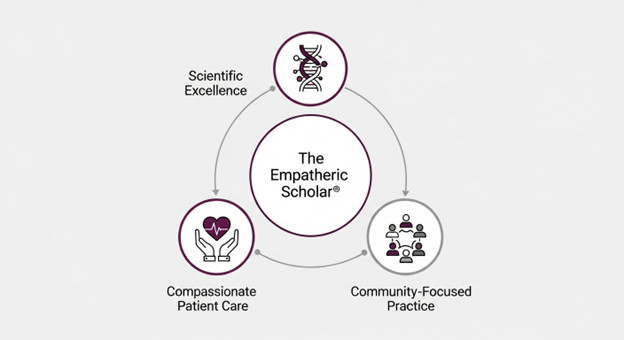
TCU Burnett’s appeal lies in its deliberate departure from traditional medical education models. The school’s vision is centered on graduating physicians who embody the ethos of the “Empathetic Scholar®.” This philosophy is not merely a slogan but an integral part of the curriculum and institutional culture. It emphasizes a holistic understanding of patient care, recognizing that true healing involves addressing the emotional and social well-being of individuals alongside their physical ailments. The commitment to compassion is woven into every aspect of learning, from early clinical exposure to advanced scientific inquiry. Furthermore, the integration of science with clinical practice is emphasized from day one, ensuring that theoretical knowledge is constantly applied to real-world scenarios. The school’s location in Fort Worth, Texas, within a burgeoning Medical Innovation District, offers unparalleled opportunities for research, collaboration, and direct engagement with healthcare systems. This strategic positioning ensures that students are at the forefront of medical advancements and community health initiatives.
What This Guide Will Cover
This comprehensive guide aims to equip prospective applicants with the knowledge and strategies necessary to successfully navigate the admissions process for the Burnett School of Medicine. We will provide an in-depth look at the school’s mission, vision, and unique “Empathetic Scholar” philosophy. Crucial academic requirements, including prerequisite coursework, GPA expectations, and standardized testing like the MCAT, will be thoroughly detailed. The intricacies of the application process, from the AMCAS Application to the secondary application and letters of recommendation, will be demystified. We will also explore the vital role of experiential learning, highlighting clinical exposure, research, volunteerism, and leadership. Finally, we will prepare you for the interview stage, specifically the Multiple Mini-Interview (MMI), and offer insights into what TCU Burnett seeks in its future physicians. Our goal is to provide a clear, actionable, and informative resource, empowering you to present your most compelling self to the admissions committee.
Understanding TCU Burnett: Mission, Vision, and Unique Approach
The Anne Burnett Marion School of Medicine at Texas Christian University is built upon a robust foundation of values that directly shape its educational philosophy and its definition of a successful physician. Understanding these core tenets is paramount for any applicant seeking to align their aspirations with the institution’s overarching goals.
The “Empathetic Scholar” Philosophy: Cultivating Compassionate Physicians
At the heart of TCU Burnett’s identity is the “Empathetic Scholar®” philosophy. This concept is central to their mission, aiming to train physicians who possess not only superior medical knowledge but also profound compassion, integrity, and a deep understanding of the human experience. An Empathetic Scholar is defined by their ability to connect with patients on a human level, to listen actively, to understand diverse perspectives, and to provide care that is both clinically excellent and profoundly humane. This approach recognizes that healing extends beyond the biological, encompassing the psychological, social, and emotional well-being of individuals. The curriculum is designed to foster this empathy through early and continuous exposure to patient care, interprofessional collaboration, and reflective practice. Applicants are encouraged to demonstrate these qualities not just in their academic pursuits but also in their life experiences, showcasing how they have actively cultivated empathy and understanding in their interactions with others. This philosophy aims to produce graduates who are not only adept clinicians but also ethical leaders and advocates for their patients and communities.
Innovative Curriculum: Integrating Science, Technology, and Patient Care
TCU Burnett’s curriculum is designed to be innovative, dynamic, and deeply integrated. From the outset, students are immersed in a learning environment that bridges the gap between foundational science and clinical practice. The curriculum emphasizes active learning, problem-based case studies, and early clinical experiences, allowing students to apply theoretical knowledge to real-world scenarios involving patients. Technology plays a crucial role, with advanced simulation centers and digital learning tools enhancing the educational experience. A hallmark of the program is its longitudinal integrated clerkship, where students engage with a consistent cohort of patients over an extended period. This model fosters deeper relationships with patients and provides a richer understanding of disease progression and management. The integration of research is also a key component, encouraging students to develop a scientific mindset and contribute to the advancement of medical knowledge. This comprehensive approach ensures that graduates are not only well-versed in the latest medical science but also possess the practical skills and empathetic outlook required to excel in diverse healthcare settings.
Accreditation and Foundational Support
The Anne Burnett Marion School of Medicine at Texas Christian University holds full accreditation from the Liaison Committee on Medical Education (LCME), the primary accrediting body for medical education programs in the United States and Canada. This accreditation signifies that the school meets rigorous standards for curriculum, faculty, resources, and student outcomes, ensuring a high-quality educational experience. Beyond accreditation, TCU Burnett benefits from the robust academic infrastructure and supportive environment of Texas Christian University. This affiliation provides access to a wide range of university resources, interdisciplinary collaboration opportunities, and a strong alumni network. The school’s establishment in Fort Worth, Texas, has also been supported by significant community investment and strategic partnerships, creating a fertile ground for growth and innovation in medical education and healthcare delivery. This solid foundation ensures that students receive a comprehensive and well-supported education, preparing them for successful careers as physicians.
Life in Fort Worth: The Medical Innovation District Advantage
The location of the Burnett School of Medicine in Fort Worth, Texas, is a significant strategic advantage for students. The school is situated within the rapidly expanding Medical Innovation District, a hub designed to foster collaboration between healthcare providers, research institutions, and educational entities. This vibrant ecosystem offers applicants unparalleled opportunities for hands-on learning, research, and networking. Students gain exposure to cutting-edge medical technologies, clinical advancements, and diverse patient populations, enriching their medical education profoundly. Living in Fort Worth also provides a rich cultural and social experience. The city boasts a thriving arts scene, a diverse culinary landscape, and a strong sense of community. For medical students, this environment offers a balanced lifestyle, with ample opportunities for recreation and personal growth alongside demanding academic pursuits. The proximity to major healthcare systems ensures that students are consistently engaged with the practicalities of healthcare delivery, preparing them to address the needs of both urban and underserved communities.
Academic Foundations: Prerequisite Coursework and Scholastic Excellence
A strong academic record is a foundational requirement for admission to any medical school, and TCU Burnett is no exception. Prospective applicants must demonstrate a mastery of core scientific principles and a commitment to rigorous academic pursuits.
Required Undergraduate Prerequisite Courses
TCU Burnett requires a strong foundation in the science disciplines typically covered in pre-medical undergraduate programs. While specific course titles can vary by institution, the following subject areas are generally considered essential and must be completed with a strong academic performance. These include, but are not limited to:
- Biology: Typically one year of general biology with laboratory experience. This coursework should cover fundamental principles of cellular biology, genetics, and organismal biology.
- Chemistry: One year of general chemistry with laboratory experience and one year of organic chemistry with laboratory experience. A strong understanding of chemical principles and reactions is crucial for comprehending physiological processes.
- Physics: One year of general physics with laboratory experience. This course should cover fundamental principles of mechanics, electricity, magnetism, and optics.
- Mathematics: A strong foundation in mathematics is essential, often requiring at least one year of calculus or statistics. This coursework aids in understanding scientific data, statistical analysis, and quantitative reasoning.
It is imperative that applicants consult the official TCU Burnett admissions website for the most current and detailed list of prerequisite courses, as requirements can be updated. Successful completion of these courses demonstrates an applicant’s preparedness for the rigorous science coursework inherent in medical education.
Recommended Competencies and Coursework
Beyond the explicitly required prerequisite courses, TCU Burnett values a broad intellectual foundation that extends into humanities and social sciences. While not always mandatory, coursework in areas such as psychology, sociology, English, and biochemistry can significantly strengthen an application. These subjects provide crucial insights into human behavior, societal influences on health, effective communication, and the biological underpinnings of disease. Furthermore, demonstrating a sustained interest in science through advanced courses or independent study can highlight an applicant’s passion and aptitude for scientific inquiry. The admissions committee seeks individuals who possess strong analytical skills, critical thinking abilities, and a capacity for complex problem-solving, all of which are honed through a diverse and challenging undergraduate curriculum. A well-rounded academic background signals an applicant’s potential to thrive in the multifaceted demands of medical education and practice.
Demonstrating Academic Rigor: GPA and Transcripts
Your Grade Point Average (GPA) and the academic record reflected in your transcripts are primary indicators of your scholastic ability and commitment to academic excellence. TCU Burnett, like most medical schools, will carefully review your undergraduate GPA, looking for evidence of consistent strong performance, particularly in science courses (often referred to as the BCMP GPA – Biology, Chemistry, Math, Physics). While there isn’t a strict minimum GPA cutoff, successful applicants typically present a GPA that is competitive within the context of the applicant pool. This means demonstrating a strong upward trend in grades, particularly if there were initial challenges. The admissions committee also looks at the rigor of your undergraduate institution and the difficulty of your coursework. Transcripts provide a detailed narrative of your academic journey, showcasing your ability to handle challenging material and your dedication to learning. Presenting a transcript that reflects sustained effort and achievement in demanding courses is critical for a strong application to the Burnett School of Medicine.
Standardized Testing: MCAT and Acuity Insights Assessment
Standardized tests serve as crucial benchmarks in the medical school admissions process, providing a consistent measure of an applicant’s aptitude and readiness for the rigors of medical education. TCU Burnett utilizes two key assessments: the MCAT and the Acuity Insights Assessment.
The MCAT Exam: Your Comprehensive Science Aptitude Test
The Medical College Admission Test (MCAT) is a critical component of the application for the Burnett School of Medicine. This standardized, multiple-choice examination assesses your knowledge of science concepts and principles prerequisite to the study of medicine, as well as your ability to apply these concepts. The exam is divided into four sections: Chemical and Physical Foundations of Biological Systems; Critical Analysis and Reasoning Skills (CARS); Biological and Biochemical Foundations of Living Systems; and Psychological, Social, and Biological Foundations of Behavior. A strong MCAT score demonstrates your proficiency in the foundational science areas and your ability to think critically and analytically, skills that are essential for success in medical school and as a practicing physician. Applicants are encouraged to prepare thoroughly for the MCAT, ideally taking the exam well in advance of the application cycle to allow ample time for score reporting and potential retakes. The admissions committee will consider your MCAT scores in conjunction with your GPA and other application components during their holistic review of your candidacy.
Acuity Insights Assessment (Casper): Evaluating Personal Attributes
In addition to the MCAT, TCU Burnett requires applicants to complete the Acuity Insights Assessment, commonly known as Casper. This online, video-based situational judgment test is designed to evaluate non-cognitive skills and personal attributes deemed essential for success in medical education and as a physician. These attributes include professionalism, compassion, ethics, communication, resilience, and critical thinking in real-world scenarios. Casper presents a series of hypothetical situations, and applicants respond to questions via typed or video responses within a set time limit. The test aims to assess how you approach challenging ethical dilemmas, interact with diverse individuals, and demonstrate your suitability for the demanding profession of medicine, particularly aligning with the “Empathetic Scholar®” ethos. It is imperative to register for Casper well in advance of the testing window and to practice responding to similar scenarios to familiarize yourself with the format and expectations. Your Casper score provides the admissions committee with valuable insights into your personal qualities and your potential to contribute positively to the community and the profession.
Navigating the Application Process: A Step-by-Step Blueprint
The journey to applying to TCU Burnett is a structured process that requires careful planning, attention to detail, and a thorough understanding of each component. Navigating this process effectively is key to presenting a compelling application.
The American Medical College Application Service (AMCAS)
The primary gateway for most medical school applications in the United States, including TCU Burnett, is the American Medical College Application Service (AMCAS). The AMCAS Application is a centralized system where you will compile essential biographical information, academic history, standardized test scores (including your MCAT), work and activities, and personal essays. Completing the AMCAS accurately and thoroughly is the foundational step. This includes detailing all your undergraduate and graduate coursework, ensuring your GPA calculations are correct, and providing comprehensive descriptions of your experiences. The “Work and Activities” section is particularly crucial, allowing you to highlight your clinical experience, research, volunteer work, and other relevant activities that showcase your commitment to medicine and your suitability as a future physician. A well-crafted AMCAS Application lays the groundwork for the rest of your candidacy for the Burnett School of Medicine.
Crafting Compelling Letters of Recommendation
Letters of recommendation (LORs) provide the admissions committee with external perspectives on your character, abilities, and potential. For the Burnett School of Medicine, it is highly recommended to secure three to four letters of recommendation. These letters should come from individuals who know you well and can speak to your strengths, particularly those aligned with the “Empathetic Scholar®” philosophy. Ideal recommenders often include:
- Science Faculty: Professors who can attest to your academic performance, intellectual curiosity, and engagement in science
- Non-Science Faculty or Mentors: Individuals who can speak to your broader intellectual capabilities, character, and personal attributes.
- Supervisors from Clinical or Research Experiences: Professionals who have directly observed your performance in patient care settings or research environments, providing insights into your compassion, teamwork, and scientific aptitude.
When requesting letters, provide your recommenders with ample time, a clear deadline, your CV or resume, and a brief statement of your aspirations for medical education at TCU Burnett. This will help them write a more personalized and impactful letter that highlights your suitability for the program.
The TCU Burnett Supplemental/Secondary Application
Following the initial submission of your AMCAS Application, eligible applicants will be invited to complete the TCU Burnett Supplemental/Secondary Application. This stage is critical for allowing you to demonstrate your specific interest in TCU Burnett and to provide further details that are not captured in the primary AMCAS form. The secondary application typically includes a series of essays or short answer questions designed to assess your fit with the school’s mission, values, and specific programs. These prompts often focus on your understanding of compassion, your commitment to community service, your rationale for choosing TCU Burnett, and your experiences that have prepared you for medical education in their unique environment. Thoroughly researching the school’s mission and values, and reflecting deeply on your own experiences that align with them, will be crucial for crafting authentic and compelling responses to these prompts. This is your opportunity to showcase your personality, your motivations, and your unique contributions to a future class of Empathetic Scholars®.
Important Application Deadlines and Timelines
Adhering to strict deadlines is paramount in the competitive medical school application process. The application cycle typically opens in early May, with the AMCAS primaries due by mid-October. The TCU Burnett secondary application is usually released shortly after you submit your AMCAS and has its own deadline, often in November. It is essential to mark these dates clearly on your calendar and to aim to submit all components well before the final deadlines to allow for any unforeseen technical issues or processing delays. Early submission demonstrates organization and initiative. Standardized test dates for the MCAT and the Acuity Insights Assessment (Casper) also have specific registration windows and testing periods. Planning to take these exams several months before the application submission deadlines is highly advisable. Reviewing the official TCU Burnett admissions website for the most up-to-date timeline and specific dates for the current application cycle is crucial for successful navigation.
Beyond Academics: Cultivating Essential Experiences and Attributes
While academic prowess and standardized test scores form the bedrock of an application, TCU Burnett places significant emphasis on a candidate’s experiences, personal attributes, and commitment to service. These elements are crucial in demonstrating that an applicant embodies the “Empathetic Scholar®” ideal.
Clinical Experience: Direct Patient Care and Observation
Direct exposure to patient care is a cornerstone of preparation for medical education and a key expectation for applicants to the Burnett School of Medicine. Clinical experience can take many forms, including shadowing physicians, volunteering in hospitals or clinics, or working as a medical assistant, EMT, or certified nursing assistant. The quality and depth of your clinical experiences are more important than the sheer quantity. TCU Burnett seeks applicants who have gained meaningful insights into the patient experience, the healthcare system, and the daily realities of medical practice. These experiences should provide opportunities to observe physicians in action, interact with patients and their families, and begin to understand the complexities of diagnosis and treatment. Documenting these experiences in your AMCAS Application and secondary application should focus on what you learned, how it shaped your understanding of medicine, and how it solidified your desire to pursue a career as a physician. Your reflections should highlight your developing compassion and your ability to connect with diverse individuals.
Research Experience: Developing a Scientific Mindset
A commitment to science and a capacity for research are vital components of modern medical education and the practice of medicine. TCU Burnett values applicants who have engaged in research, whether it be in laboratory settings, clinical research, or public health studies. Research experience demonstrates an applicant’s intellectual curiosity, analytical skills, problem-solving abilities, and an understanding of the scientific method. It shows an ability to critically evaluate information and contribute to the body of medical knowledge, aligning with the institution’s forward-looking approach. Even if your undergraduate research did not lead to a publication, the experience of participating in the scientific process, collecting and analyzing data, and working collaboratively in a research environment is highly valued. When detailing your research involvement, focus on your specific contributions, the techniques you learned, the challenges you encountered, and what you gained from the experience in terms of your scientific perspective and your readiness for the research components of medical education.
Volunteerism and Community Engagement: Altruism in Action
TCU Burnett has a strong commitment to serving the community, and this is reflected in its expectations for applicants. Extensive volunteer work and community engagement demonstrate an applicant’s altruism, their commitment to serving others, and their understanding of societal health needs. This can range from volunteering at local shelters and health clinics to participating in global health initiatives or engaging in advocacy for underserved populations. The key is to show sustained commitment and meaningful involvement. Approximately 20% of the U.S. population resides in primary medical care Health Professional Shortage Areas (HPSAs) source text, highlighting the ongoing critical need for primary care physicians in underserved communities. Your volunteer experiences should provide insights into your ability to connect with diverse populations, your understanding of social determinants of health, and your dedication to making a positive impact. Reflect on how these experiences have shaped your perspective and reinforced your desire to pursue a career as a physician dedicated to service and compassion.
Leadership, Teamwork, and Extracurricular Activities
Beyond academics and direct service, TCU Burnett seeks well-rounded individuals who have demonstrated leadership potential, the ability to collaborate effectively, and a passion for activities outside of academics. Leadership roles in student organizations, sports teams, clubs, or other extracurricular pursuits showcase your ability to motivate others, manage responsibilities, and work towards common goals. Teamwork is an essential skill in medicine, where physicians often work collaboratively with a multidisciplinary healthcare team. Experiences that highlight your ability to contribute positively to a group, communicate effectively, and resolve conflicts are highly valued. Extracurricular activities, whether they involve the arts, athletics, or other personal interests, demonstrate that you are a multifaceted individual with the capacity to manage your time effectively and pursue diverse passions. These activities contribute to your overall profile and showcase your potential to contribute to the vibrant community at the Burnett School of Medicine.
Personal Attributes Valued by TCU Burnett
The “Empathetic Scholar®” philosophy underscores TCU Burnett’s emphasis on personal attributes that go beyond academic achievements. The admissions committee actively seeks applicants who embody qualities such as integrity, maturity, resilience, intellectual curiosity, and a genuine concern for others. They look for evidence of strong interpersonal skills, effective communication, and the ability to work collaboratively. A demonstrated commitment to ethical conduct and a capacity for self-reflection are also paramount. The MCAT and Casper assessments are designed, in part, to evaluate these attributes. However, these qualities should also be evident throughout your application, from your personal statement and secondary essays to your letters of recommendation and interview responses. Showing how you have cultivated and applied compassion, empathy, and a strong work ethic in your past experiences will be instrumental in demonstrating your fit with TCU Burnett’s mission and values.
The Interview Edge: Mastering the TCU Burnett Multiple Mini-Interview (MMI)
The interview stage is a critical juncture in the admissions process, offering the admissions committee a direct opportunity to assess your personality, communication skills, and suitability for TCU Burnett’s unique educational environment. For the Burnett School of Medicine, this typically involves a Multiple Mini-Interview (MMI) format.
Understanding the MMI Format
The Multiple Mini-Interview (MMI) is a series of short, standardized interview stations, each designed to assess different competencies. Typically, you will rotate through several stations, spending a few minutes at each. At each station, you will be presented with a scenario – this could be an ethical dilemma, a situational problem, or a question designed to gauge your communication skills or critical thinking. You will then have a brief period to read and consider the scenario before entering the station to discuss your response with an interviewer. The MMI format allows the admissions committee to evaluate a broad range of attributes in a structured and consistent manner, moving beyond traditional interview questions to assess how you think and react in simulated real-world situations. Preparation for the MMI should focus on understanding the types of scenarios you might encounter, practicing your responses, and reflecting on how your experiences align with the “Empathetic Scholar®” philosophy and the values of TCU Burnett.
Admissions Insights: What TCU Burnett Seeks in Applicants
TCU Burnett employs a holistic review process, meaning they evaluate applicants based on a wide range of factors beyond just GPA and MCAT scores. This approach allows the admissions committee to identify individuals who possess the intellectual capacity, personal qualities, and commitment to service that align with the school’s mission. They are looking for applicants who can demonstrate:
- Academic Excellence: A strong performance in undergraduate coursework and on standardized tests, indicating readiness for the rigors of medical education.
- Commitment to Compassion and Empathy: Evidence of a deep understanding of and dedication to patient-centered care, as demonstrated through clinical experiences, volunteerism, and personal reflection.
- Scientific Aptitude: An interest in and understanding of science, as evidenced by coursework, research, and critical thinking skills.
- Community Engagement and Service: A sustained commitment to serving others and contributing to the community.
- Leadership and Teamwork Skills: The ability to lead, collaborate, and communicate effectively within a group.
- Resilience and Maturity: The capacity to handle challenges, demonstrate adaptability, and approach the profession with ethical integrity.
- Fit with TCU Burnett’s Mission: A clear understanding of and alignment with the school’s unique philosophy of the “Empathetic Scholar®” and its commitment to innovative medical education.
The admissions committee seeks individuals who will not only succeed academically but also contribute positively to the school’s learning environment and, ultimately, to the profession of medicine and the community they serve.
Financial Considerations and Investment
Pursuing a medical degree is a significant financial undertaking. Understanding the costs involved and the available financial aid options is crucial for prospective applicants. Medical school students graduated with a median debt of $200,000 for their medical school education, and an average total education debt (including premedical) of $223,130 for the Class of 2025 source text. TCU Burnett, like other medical schools, will provide detailed information on tuition, fees, and estimated living expenses. It is important to research the school’s financial aid programs, including scholarships, grants, and federal loan options. Many medical schools also offer loan deferment programs and financial counseling services to help students manage their educational debt. Beyond the cost of tuition, consider the cost of living in Fort Worth, Texas, which can vary. The average compensation for U.S. physicians increased nearly 6% in 2023, rebounding from a slight decline in the previous year source text, indicating strong earning potential over a career. Planning your finances early and exploring all available resources will help ensure that your pursuit of medical education is manageable.
Challenges and Realities of the Medical Profession
While the pursuit of medicine is incredibly rewarding, it is important for aspiring physicians to be aware of the challenges inherent in the profession. 49% of physicians reported feeling burned out in the 2024 Medscape Physician Burnout & Depression Report, a slight decrease from the previous year source text. Burnout can stem from various factors, including demanding workloads, administrative burdens, and the emotional toll of caring for critically ill patients. TCU Burnett’s emphasis on compassion, resilience, and well-being is designed, in part, to equip students with the tools to navigate these challenges. The school encourages a balanced approach to life and learning, promoting self-care and providing support systems to help students manage stress. Understanding these realities early in your journey can help you develop strategies for personal and professional sustainability throughout your career as a physician.
Future of Medicine and Technological Advancements
The landscape of medicine is continuously evolving, with technological advancements poised to reshape how healthcare is delivered. The AI healthcare market is projected to reach US$868 billion by 2030, with its addressable market share increasing from less than 15% to over 30% source text. TCU Burnett’s curriculum is designed to prepare students for this dynamic future by integrating topics such as artificial intelligence, data analytics, and digital health into the medical education framework. Students will learn to leverage these technologies to enhance diagnostic accuracy, personalize treatment plans, and improve patient outcomes. The school’s focus on innovation and interdisciplinary collaboration ensures that graduates are not only proficient in traditional medical science but also adept at utilizing emerging technologies to provide cutting-edge care. This forward-thinking approach ensures that TCU Burnett graduates are well-prepared to lead and innovate within the evolving healthcare industry.
Conclusion
Securing a place at the Anne Burnett Marion School of Medicine at Texas Christian University is a challenging yet attainable goal for dedicated and well-prepared applicants. The journey requires a deep understanding of TCU Burnett’s distinct mission, which centers on cultivating “Empathetic Scholars®” committed to compassion, science, and community service. From excelling in prerequisite science coursework and achieving competitive scores on the MCAT and Acuity Insights Assessment, to meticulously crafting your AMCAS Application and secondary application, every step is crucial. Demonstrating significant clinical experience, meaningful research engagement, and a genuine commitment to volunteerism will powerfully underscore your suitability. Remember that TCU Burnett seeks not just academically gifted individuals, but well-rounded people who embody the qualities of a compassionate and ethical future physician. By thoughtfully preparing each component of your application, reflecting deeply on your experiences, and articulating your passion for serving patients and communities, you can present a compelling case for admission. The Burnett School of Medicine offers a unique and innovative path in medical education, and with diligent preparation and a clear understanding of its values, your aspiration to become a TCU Burnett physician can become a reality.
Frequently Asked Questions About TCU Burnett School of Medicine
1. What GPA do you need to get into Texas Christian University Burnett School of Medicine?
The average GPA for matriculants at the Anne Burnett Marion School of Medicine at TCU is approximately 3.82. Both science (BCPM) and cumulative GPAs are considered, and competitive applicants typically present a strong upward trend if earlier coursework was inconsistent. TCU Burnett looks beyond raw numbers and evaluates academic achievement in the context of the school’s Empathetic Scholar framework, which values qualities like integrity, compassion, and intellectual curiosity alongside academic performance.
2. What MCAT score do you need for Texas Christian University Burnett School of Medicine?
The average MCAT score for enrolled students at TCU Burnett School of Medicine is approximately 512, which places matriculants around the 83rd percentile nationally. While there is no published minimum cutoff, competitive applicants generally score 510 or above. The admissions committee reviews MCAT scores holistically alongside GPA, research experience, clinical exposure, and personal attributes.
3. What is the acceptance rate at Texas Christian University Burnett School of Medicine?
TCU Burnett School of Medicine is one of the most selective medical schools in Texas, with an acceptance rate of roughly 1–2%. The school receives approximately 7,000 applications each cycle for a class of around 60 students. Because of this high selectivity, applicants are strongly encouraged to apply broadly and ensure their academic profile, personal statement, and secondary essays reflect the school’s Empathetic Scholar values.
4. How many people apply to Texas Christian University Burnett School of Medicine each year?
TCU Burnett receives approximately 7,000 applications per admissions cycle, making it one of the most applied-to schools in the TMDSAS system. From that pool, roughly 60 students are selected to matriculate each year. The high applicant volume relative to class size means that meeting the average GPA and MCAT is a floor, not a guarantee — the school is looking for applicants who demonstrate a clear alignment with its community-centered mission.
5. Does Texas Christian University Burnett School of Medicine accept out-of-state applicants?
Yes, TCU Burnett does accept out-of-state applicants, but the school strongly prioritizes Texas residents. Because TCU Burnett participates in the Texas Medical and Dental Schools Application Service (TMDSAS), the vast majority of matriculants are Texas residents. Out-of-state applicants must apply through TMDSAS rather than AMCAS and should be aware that in-state applicants receive a significant preference in the admissions process.
6. What is the interview format at Texas Christian University Burnett School of Medicine?
TCU Burnett School of Medicine uses a Multiple Mini-Interview (MMI) format. Interviews are held in Fort Worth on campus, giving applicants a chance to experience the school’s environment and its Medical Innovation District location firsthand. The MMI format assesses the non-cognitive skills central to the school’s Empathetic Scholar model — including compassion, collaboration, integrity, and communication — through a series of short, scenario-based stations rather than a single traditional interview.
7. What are the secondary essay prompts at Texas Christian University Burnett School of Medicine?
TCU Burnett’s secondary application includes two essay prompts, each with a 250–300 word limit. The first prompt asks applicants to identify which of the school’s eight Empathetic Scholar traits — Compassion, Teachability, Altruism, Insight, Humility, Collaboration, Integrity, and Respect — they most embody, and to explain how it will serve them in patient care. The second prompt asks applicants to describe personal qualities or lived experiences that add context to their application and shape who they are as an aspiring healthcare leader. There is no secondary application screening; all applicants who submit a complete TMDSAS application are sent the secondary.
8. How much does Texas Christian University Burnett School of Medicine cost?
Tuition and fees at TCU Burnett School of Medicine are approximately $72,270 per year for the 2025–2026 academic year, with no separate in-state and out-of-state tuition distinction. When living expenses, equipment, and health insurance are included, total four-year costs are estimated at $350,000–$400,000. Prospective students should research federal loan programs, TCU scholarships, and TMDSAS-related financial aid resources early in the application cycle.
9. Does Texas Christian University Burnett School of Medicine require the Acuity Insights Assessment?
Yes — for the 2026–2027 admissions cycle, TCU Burnett requires all MD applicants to complete the Acuity Insights Assessment (formerly Casper’s situational judgment component). This standardized, multi-part online assessment measures competencies and personal attributes important for success in medical school and clinical practice. Notably, TCU Burnett does not require the CASPer exam or the AAMC PREview assessment — the Acuity Insights Assessment is a separate, distinct requirement.
10. What is the Scholarly Pursuit and Thesis requirement at Texas Christian University Burnett School of Medicine?
Every student at TCU Burnett is required to complete a four-year Scholarly Pursuit and Thesis (SPT) research project — an unusual requirement, as most U.S. medical schools do not mandate a thesis for the MD degree. The SPT is woven throughout all four years of the curriculum and is designed to develop lifelong learning skills, critical inquiry, and medical information literacy. Research mentors are drawn from TCU, the University of North Texas Health Science Center at Fort Worth, the University of Texas at Arlington, and affiliated clinical partners including Texas Health Harris Methodist, Baylor Scott and White All Saints, and Cook Children’s Medical Center.