
The dream of practicing medicine is a noble one, and for many aspiring physicians, Texas Tech University Health Sciences Center (TTUHSC) School of Medicine in Lubbock represents a premier destination. This institution is dedicated to cultivating highly skilled, compassionate, and innovative health care professionals who are prepared to serve diverse communities. However, the path to medical school admission is undeniably competitive, requiring a strategic approach, thorough preparation, and a deep understanding of what TTUHSC seeks in its future doctors. This comprehensive guide is designed to demystify the journey, providing prospective applicants with the insights and actionable advice needed to navigate the complex admissions process successfully.
From understanding the institution’s core mission and values to mastering the intricacies of the application itself, we will explore every critical aspect. We will delve into academic prerequisites, standardized testing, the art of crafting compelling personal statements and securing strong letters of recommendation, and the significance of meaningful experiences. Furthermore, this guide will illuminate the TTUHSC admissions process, including the nuances of holistic review and the crucial interview stage. We will also address the specific considerations for various applicant demographics and offer a glimpse into the rewarding medical education experience at TTUHSC Lubbock. By the end of this guide, you will be equipped with the knowledge and confidence to present your strongest application and take a significant step towards your medical career.
This blog will cover:
- Navigating Your Journey to Texas Tech School of Medicine (Lubbock)
- Understanding Texas Tech School of Medicine’s Mission and Values
- The Application Gauntlet: TMDSAS and Beyond
- Core Components of a Competitive Application
- The TTUHSC Admissions Process: What Happens After You Apply
- Special Considerations for Applicants
- A Glimpse into Medical Education at TTUHSC Lubbock
Navigating Your Journey to Texas Tech School of Medicine (Lubbock)
Embarking on the path to medical school is a significant undertaking, filled with challenges and opportunities. For those with a passion for healing and a desire to contribute to the advancement of health sciences, Texas Tech University Health Sciences Center (TTUHSC) School of Medicine in Lubbock stands as a beacon of opportunity. This section serves as your initial compass, orienting you toward the essential understanding of TTUHSC’s identity and the strategic imperative of this guide.
Welcome to TTUHSC School of Medicine: Your Future in Medicine
Texas Tech University Health Sciences Center (TTUHSC) is a vital component of the Texas Tech University System, dedicated to improving the health of Texans and advancing health sciences through education, research, and patient care. The School of Medicine in Lubbock is at the forefront of this mission, training the next generation of physicians. It is an institution deeply rooted in its commitment to serving West Texas and beyond, fostering a culture of collaboration, innovation, and dedication to patient well-being. As you consider TTUHSC for your medical education, it’s crucial to understand its unique identity as a comprehensive health sciences center, where diverse disciplines converge to create a robust learning environment. The Lubbock campus, in particular, offers a distinct educational experience shaped by its community and its role in addressing regional health needs.
Why This Guide is Essential for Aspiring Medical Students
The admissions process for medical school is multifaceted, demanding more than just strong academic credentials. Competitors often present a wealth of factual data but frequently fall short in providing a truly insightful roadmap. This guide aims to bridge that gap by offering a strategic, in-depth exploration tailored to the Texas Tech University Health Sciences Center School of Medicine. We go beyond simply listing requirements; we dissect the “why” behind them, helping you understand what TTUHSC truly values in its applicants. By illuminating the nuances of their mission, the intricacies of the application, and the expectations of the admissions committee, this guide empowers you to present a compelling and authentic application that showcases your unique potential and aligns perfectly with TTUHSC’s vision for the future of health care.
Understanding Texas Tech School of Medicine’s Mission and Values
At the core of any successful medical school application lies a deep understanding of the institution’s foundational principles. For Texas Tech University Health Sciences Center (TTUHSC) School of Medicine, its mission and values are not mere platitudes; they are the guiding forces that shape its curriculum, its research endeavors, and its vision for the future of health care. Prospective applicants are strongly encouraged to internalize these principles, as they will inform every aspect of your journey, from your personal statement to your interview responses.
The Heart of Collaborative Healthcare: TTUHSC’s Vision
TTUHSC’s overarching vision centers on developing health care professionals who embody collaboration, excellence, and a profound commitment to serving others. The institution strives to “enrich the lives of others by educating students to become collaborative health care professionals, providing excellent patient care, and advancing knowledge through innovative research.” This mission is particularly resonant in its dedication to improving the health of Texans, recognizing the unique challenges and opportunities within the state. Prospective applicants should actively seek experiences that demonstrate their capacity for teamwork, their dedication to patient-centered care, and their understanding of the importance of interdisciplinary health sciences. The emphasis on “collaborative health care” suggests that TTUHSC seeks individuals who can work effectively within teams, communicate compassionately, and contribute to a supportive health care ecosystem.
Innovative Research and Community Engagement in Lubbock
Beyond clinical excellence, TTUHSC School of Medicine places a significant emphasis on “advancing knowledge through innovative research.” This commitment fosters an environment where students are encouraged to explore the frontiers of medical science, contributing to discoveries that can profoundly impact patient outcomes and public health. The Lubbock campus serves as a vital hub for this endeavor, offering unique research opportunities that are often grounded in addressing the specific health needs of West Texas. Aspiring applicants are encouraged to explore the research interests of TTUHSC faculty and consider how their own experiences and curiosities align with these areas. Furthermore, the institution’s deep connection to the Lubbock community underscores the importance of community engagement. TTUHSC actively participates in local health initiatives and provides essential services, fostering a culture where students learn the value of service and social responsibility. Demonstrating a genuine interest in community engagement and a proactive approach to research can significantly strengthen an application.
What TTUHSC Looks for in Future Physicians (Beyond Grades)
While academic prowess is a non-negotiable foundation for medical school admission, TTUHSC employs a holistic review process that extends far beyond GPA and MCAT scores. The Office of Admissions seeks to identify individuals who not only possess the intellectual capacity to excel in medical education but also exhibit the character, empathy, and dedication essential for a successful career in medicine. TTUHSC is particularly interested in applicants who demonstrate leadership potential, resilience, adaptability, and a strong ethical compass. Experiences that showcase a commitment to serving underserved populations, a capacity for critical thinking, and a genuine passion for the health sciences are highly valued. Applicants who can articulate how their personal journey and unique experiences have prepared them for the rigues of medical training and how they align with TTUHSC’s mission will undoubtedly stand out. The institution is looking for future health care professionals who are not only knowledgeable but also compassionate, culturally competent, and dedicated to lifelong learning and service.
The Application Gauntlet: TMDSAS and Beyond
The journey to securing a seat in medical school is often described as a gauntlet, and for aspiring physicians in Texas, the primary pathway involves navigating the Texas Medical & Dental Schools Application Service (TMDSAS). This centralized application system is the gateway to virtually all Texas public medical schools, including TTUHSC. Understanding TMDSAS and its associated processes is paramount to a successful application strategy. This section will guide you through the foundational elements of applying, from initial registration to the crucial secondary application and the importance of meticulous organization.
Starting Strong with TMDSAS: The Texas Medical & Dental Schools Application Service
TMDSAS serves as the unified application portal for Texas medical schools, streamlining the process for both applicants and institutions. All applicants seeking admission to TTUHSC School of Medicine, with very few exceptions (such as those applying only to out-of-state schools), must complete the TMDSAS application. This comprehensive platform collects essential biographical information, academic history, standardized test scores, extracurricular activities, personal essays, and letters of evaluation. It is designed to provide a standardized yet detailed overview of each applicant’s qualifications and experiences. Familiarizing yourself with the TMDSAS website, understanding its various sections, and adhering strictly to its submission guidelines are the first critical steps. The Office of Admissions at TTUHSC relies on the information provided through TMDSAS to initiate the review process, making accuracy and completeness vital from the outset.
Crafting Your Primary Application: Transcripts and Prerequisites
Your primary TMDSAS application is where you lay the groundwork for your medical school aspirations. A cornerstone of this application is your academic record, meticulously documented through official transcripts. You will be required to submit transcripts from all undergraduate and graduate institutions attended. These transcripts provide a clear picture of your academic performance, including your overall GPA and your GPA in science courses. TTUHSC, like most medical schools, pays close attention to these metrics. Beyond just grades, it is crucial to ensure you have completed all prerequisite courses. These courses are designed to ensure you have a foundational understanding of the scientific principles necessary for medical education. Typical prerequisites include biology, chemistry (general and organic), physics, mathematics (calculus and statistics), and English. Applicants should carefully review the specific prerequisite requirements listed by TTUHSC to ensure all necessary coursework has been successfully completed, often with a minimum grade. Advanced Placement (AP) or International Baccalaureate (IB) credits can sometimes fulfill these requirements, but applicants should verify TTUHSC’s policies regarding their acceptance.
The Secondary Application: Showcasing Your Fit for TTUHSC
Following the initial review of your TMDSAS application, TTUHSC will typically invite a select group of applicants to complete a secondary application. This is your opportunity to provide a more in-depth look at your qualifications and, crucially, to demonstrate your specific fit with the Texas Tech University Health Sciences Center School of Medicine. The secondary application often includes several essay prompts or short answer questions designed to elicit information about your motivations for pursuing medicine, your understanding of TTUHSC’s mission, your experiences in health sciences, and your future aspirations as a physician. This is where you can truly articulate why TTUHSC, and not just any medical school, is the right place for you. Respond thoughtfully and authentically, directly addressing the prompts and weaving in your experiences that align with TTUHSC’s emphasis on collaborative health care and innovative research. The Office of Admissions uses the secondary application to gain a deeper insight into your personality, your communication skills, and your alignment with the school’s values, making it a critical component of the admissions process.
Key Deadlines and Logistics: Staying Organized During Application Season
The medical school application season is notoriously demanding, characterized by numerous deadlines and submission requirements. For applicants aiming for TTUHSC School of Medicine, meticulous organization and strict adherence to timelines are non-negotiable. The TMDSAS application typically opens in May, with the primary application due in the fall. The secondary application usually follows shortly after, with its own distinct deadline. It is imperative to mark all relevant dates on your calendar, including the TMDSAS submission deadline, the secondary application deadline, the deadline for submitting supporting documents like transcripts and MCAT scores, and any interview invitations. Procrastination can lead to missed opportunities and a less polished application. Establishing a system for tracking deadlines, managing documents, and responding promptly to communications from the Office of Admissions is crucial for navigating this complex process successfully and ensuring your application is considered in a timely manner.
Core Components of a Competitive Application
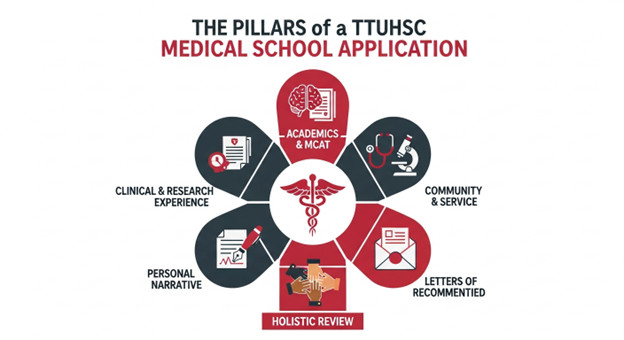
Building a competitive application for medical school requires a strategic approach that highlights not only your academic achievements but also your personal qualities, experiences, and demonstrated commitment to medicine. For TTUHSC School of Medicine, this involves excelling across several key areas. The admissions committee evaluates applicants holistically, seeking individuals who possess the intellectual rigor, interpersonal skills, and dedication necessary to thrive in their rigorous medical education program and contribute meaningfully to the health sciences community.
Academic Excellence: GPA, Prerequisite Courses, and Advanced Placement Credits
Academic excellence forms the bedrock of any medical school application. TTUHSC School of Medicine, like its peers, scrutinizes an applicant’s academic record closely. This includes a strong undergraduate GPA, with particular attention paid to your science GPA (often referred to as the BCMP – Biology, Chemistry, Math, Physics GPA). For the 2025-2026 academic year, the average GPA for enrolled students at Texas Tech University Health Sciences Center School of Medicine is 3.93 Source: Texas Tech University Health Sciences Center School of Medicine, 2025-2026. Nationally, the median undergraduate GPA for medical school matriculants in the 2024-25 academic year was 3.86 Source: AAMC (Association of American Medical Colleges), January 2025. While these are averages and not strict cutoffs, they provide a clear benchmark for the level of academic achievement TTUHSC expects. Ensuring you have completed all prerequisite courses with strong grades is also essential. TTUHSC may also consider Advanced Placement (AP) or International Baccalaureate (IB) credits towards fulfilling prerequisites, but it is vital to confirm their specific policies regarding these credits to ensure your application meets all requirements.
The MCAT: Understanding Scores and How to Approach the Exam
The Medical College Admission Test (MCAT) is a standardized, comprehensive examination that assesses your knowledge of basic sciences, critical analysis, and reasoning skills. It is a critical component of your application to TTUHSC School of Medicine. For the 2025-2026 academic year, the average MCAT score for successful applicants at TTUHSC is 512 Source: Texas Tech University Health Sciences Center School of Medicine, 2025-2026. Nationally, the mean MCAT score for matriculants in the 2024-25 academic year was also 512 Source: AAMC (Association of American Medical Colleges), January 2025. While these scores indicate the typical performance of accepted students, it is crucial to remember that TTUHSC employs a holistic review, meaning a slightly lower score can often be offset by other strengths in your application. Approaching the MCAT requires dedicated preparation. Develop a study plan that covers all sections of the exam, utilize practice tests to gauge your progress, and consider available resources such as review courses or study groups. Understanding the scoring system and the types of questions asked will enable you to approach the exam with confidence and a strategic mindset.
Your Personal Statement: Telling Your Unique Story and Alignment with TTUHSC
The personal statement is your opportunity to convey who you are beyond your grades and scores, and crucially, to articulate your alignment with TTUHSC’s mission and values. This essay is a deeply personal reflection, and it should tell a cohesive story about your journey toward medicine. Consider what has motivated your pursuit of a career in health sciences, what experiences have shaped your perspective, and what unique qualities you will bring to TTUHSC and the medical profession. When writing for TTUHSC, it is imperative to thoughtfully address their emphasis on collaborative health care and innovative research. Weave in specific examples from your life that demonstrate your understanding and embodiment of these principles. Reflect on why TTUHSC’s specific vision for serving Texas and advancing medical knowledge resonates with your own aspirations. The Office of Admissions uses your personal statement to assess your writing ability, your self-awareness, your maturity, and your genuine fit with the institution’s culture.
Letters of Evaluation: Strategic Choices for Strong Recommendations
Letters of evaluation, often referred to as letters of recommendation, play a pivotal role in the admissions process. These letters provide a third-party perspective on your character, abilities, and potential as a future physician. For TTUHSC School of Medicine, it is generally recommended to obtain letters from individuals who know you well in a professional or academic capacity and can speak to your strengths in areas relevant to medicine. This typically includes faculty members from your undergraduate institution, particularly those in science departments where you excelled, and individuals who have supervised you in clinical or research settings. Aim for a mix of evaluators who can speak to different facets of your profile – your intellectual capabilities, your work ethic, your interpersonal skills, and your passion for medicine. When requesting a letter, provide your recommender with ample time, your CV or resume, a description of the medical school you are applying to (including TTUHSC’s mission), and any specific qualities or experiences you would like them to highlight. A strong letter of evaluation from a credible source can significantly bolster your application.
Meaningful Experiences: Clinical, Research, and Community Involvement
Beyond academics, TTUHSC School of Medicine seeks applicants who have a deep and demonstrated commitment to medicine through a variety of experiences. Clinical experience is essential; this can include shadowing physicians across different specialties to understand the day-to-day realities of medical practice, volunteering in hospital settings to gain exposure to patient care environments, or engaging in paid healthcare roles that provide direct patient interaction. For example, accepted medical school applicants at Northwestern University for 2024 and 2025 generally had around 200 hours of volunteering in each setting (clinical and non-clinical) and 25-50 hours of physician shadowing Source: Northwestern University, 2024-2025.
Research experience is also highly valued, reflecting TTUHSC’s commitment to innovative research. This could involve participating in laboratory research, clinical research projects, or even contributing to scholarly articles. Demonstrating an understanding of the scientific method and a curiosity for discovery is key. Community involvement showcases your dedication to service and your understanding of societal health needs. The AAMC reports that in the 2024 entering class, medical school matriculants cumulatively performed over 16.4 million community service hours, averaging 709 hours per student Source: AAMC (Association of American Medical Colleges), January 2025. These experiences, whether in clinical settings, research labs, or community outreach programs, should be meaningful, demonstrating depth, reflection, and growth rather than mere participation.
The TTUHSC Admissions Process: What Happens After You Apply
Submitting your application is just the beginning of the journey. The TTUHSC School of Medicine’s admissions process is designed to thoroughly evaluate each applicant, moving beyond numerical data to understand the individual’s potential to contribute to the field of medicine and the institution’s mission. This section will demystify what occurs after you submit your application, from the holistic review to the critical interview stage and the eventual admissions decisions.
Holistic Review: Beyond the Numbers, What the Admissions Committee Seeks
Texas Tech University Health Sciences Center School of Medicine employs a holistic review process, meaning the admissions committee considers all aspects of an applicant’s profile. While academic metrics like GPA and MCAT scores are important indicators of your ability to handle the rigorous curriculum, they are not the sole determinants of admission. The committee meticulously examines your personal statement, letters of evaluation, experiences in clinical settings, research endeavors, community involvement, leadership roles, and any other information provided in your application. They are looking for evidence of critical thinking, problem-solving skills, empathy, resilience, maturity, integrity, and a genuine commitment to the health sciences and patient care. This approach allows TTUHSC to identify applicants who not only possess intellectual capability but also the personal attributes and experiences that align with the institution’s mission of fostering collaborative health care professionals and contributing to innovative research. Understanding this comprehensive approach is key to tailoring your application to showcase your multifaceted strengths.
The Interview: Making Your Best Impression
For applicants who pass the initial screening of their application, the next critical step is the interview. The interview serves as a crucial opportunity for the admissions committee to assess your communication skills, your ability to think critically and respond thoughtfully under pressure, your interpersonal abilities, and your overall suitability for TTUHSC School of Medicine. The interview format can vary, but often includes questions designed to probe your motivations for medicine, your understanding of the profession, your problem-solving capabilities, and your alignment with TTUHSC’s mission and values. It is also your chance to ask informed questions and demonstrate your genuine interest in the institution. Preparation is key: thoroughly research TTUHSC’s mission, curriculum, and any current initiatives in innovative research. Practice answering common interview questions, focusing on providing thoughtful, specific, and honest responses that draw from your experiences. Remember that the interview is a two-way street; it’s an opportunity for you to also evaluate if TTUHSC is the right fit for your medical education.
Navigating Admissions Decisions and Strategies for Reapplication
After interviews are completed, the TTUHSC admissions committee deliberates and makes final decisions. These decisions are based on a comprehensive evaluation of all submitted materials, interview performance, and the overall applicant pool. Applicants will be notified of the committee’s decision, which can range from an acceptance offer to a waitlist status or a rejection. If you are accepted, congratulations! You will receive information regarding the next steps, including the acceptance of your offer and any required pre-matriculation activities. If you are placed on the waitlist, it means you are a strong candidate, and a decision may be made later in the cycle if space becomes available. If your application is not successful in the current cycle, it is important not to view it as a definitive end. TTUHSC, like many medical schools, welcomes reapplicants. If you are considering reapplying, it is crucial to reflect critically on your previous application. Identify areas for improvement, such as strengthening your academic record, gaining more substantial clinical or research experience, or refining your personal statement to better articulate your alignment with TTUHSC’s mission. Seeking feedback from the Office of Admissions (if available) can provide valuable insights for future applications.
Special Considerations for Applicants
The journey to medical school is diverse, with each applicant bringing a unique background and set of circumstances. Texas Tech University Health Sciences Center School of Medicine (TTUHSC) recognizes this diversity and has established considerations for various applicant groups to ensure fairness and to foster a broadly representative student body dedicated to serving the diverse needs of Texas and beyond. Understanding these specific considerations can help you tailor your application strategy effectively.
Advantages and Specifics for Texas Residents (In-State Applicants)
As a public institution, TTUHSC School of Medicine prioritizes Texas residents in its admissions process. This prioritization is common among public medical schools in Texas, aiming to train physicians who will serve the healthcare needs of the state. Texas residents generally benefit from a more favorable acceptance rate compared to out-of-state applicants, although the standards for admission remain exceptionally high for all. It is essential for Texas residents to ensure their residency is properly established and documented according to state guidelines. Being a Texas resident often aligns with TTUHSC’s mission to improve healthcare access for all Texans, particularly in underserved areas. The state faces ongoing challenges in physician retention; between 2000 and 2019, only 49.4% of Texas medical school graduates pursued residency in Texas, with 59% of those remaining in the state after completing their training Source: PMC, November 2024. TTUHSC’s commitment to West Texas underscores its dedication to addressing these critical issues.
Guidance for Out-of-State and Foreign National Applicants
While TTUHSC School of Medicine primarily serves Texas residents, it does accept a limited number of out-of-state and foreign national applicants. Admission for these groups is highly competitive, as they must demonstrate exceptional qualifications to be considered alongside a strong pool of in-state candidates. Out-of-state applicants should pay particular attention to articulating why TTUHSC is a unique and compelling choice for their medical education, going beyond general interest in medical school. They must clearly demonstrate how their experiences and goals align with TTUHSC’s specific mission and focus areas, such as serving rural populations or contributing to innovative research. Foreign national applicants face additional requirements, including proof of English proficiency and evaluation of foreign credentials, in addition to meeting all standard admission criteria. The Office of Admissions provides detailed guidelines for these groups, and prospective applicants should consult these resources thoroughly.
The JAMP Program: A Pathway for Aspiring Physicians
The Joint Admission Medical Program (JAMP) is a statewide program designed to support and guide academically talented students from low socioeconomic backgrounds and underserved areas of Texas in their pursuit of medical careers. TTUHSC School of Medicine is a participating institution in JAMP. This program offers a unique pathway that can provide early assurance of admission to medical school for eligible students. JAMP scholars benefit from mentorship, financial support, and programmatic enrichment activities. Applicants interested in JAMP must meet specific academic and personal criteria and typically apply during their sophomore year of undergraduate study. For eligible and motivated students from Texas, JAMP can significantly enhance their chances of admission to medical school, including TTUHSC, by providing structured support and a clearer direction for their medical education.
Advice for Non-Traditional and “Older” Applicants
TTUHSC School of Medicine welcomes applicants from diverse backgrounds, including those who may be pursuing a medical career later in life or after a significant period away from academia. These non-traditional applicants often bring a wealth of life experience, maturity, and a well-defined perspective that can be highly valuable in the medical field. The key for non-traditional applicants is to effectively leverage their unique experiences to demonstrate their readiness for medical school and their enduring commitment to medicine. This might involve showcasing leadership roles in previous careers, detailing how past experiences have honed their problem-solving and interpersonal skills, or explaining the evolution of their passion for health sciences. While academic performance is still critical, the narrative of a non-traditional applicant’s journey can be a powerful asset, demonstrating resilience and a deep understanding of what it means to be a dedicated health care professional. Your application should clearly articulate the motivations behind your career change and how your accumulated experiences make you a strong candidate for TTUHSC’s program.
A Glimpse into Medical Education at TTUHSC Lubbock
The educational journey at Texas Tech University Health Sciences Center (TTUHSC) School of Medicine in Lubbock is designed to equip students with the comprehensive knowledge, clinical skills, and professional values necessary to excel in modern medicine. The curriculum is structured to provide a robust foundation in the basic sciences, progressively integrate clinical principles, and foster a deep understanding of patient care within a collaborative health care environment. Students are immersed in an academic setting that encourages innovative research and community engagement, preparing them to be leaders and compassionate caregivers.
Curriculum Overview: From Basic Sciences to Clinical Rotations
The medical education at TTUHSC School of Medicine follows a progressive model, beginning with foundational basic sciences during the initial years. Students delve into subjects such as anatomy, physiology, biochemistry, pharmacology, and pathology, building a strong scientific understanding essential for diagnosing and treating diseases. This phase is often supplemented with early exposure to clinical concepts and patient interaction through case studies and introductory clinical experiences. As students advance, the curriculum shifts its focus towards clinical rotations. These rotations provide hands-on experience in core medical specialties, including internal medicine, surgery, pediatrics, obstetrics and gynecology, psychiatry, and family medicine. During these rotations, students work closely with faculty physicians and house staff, applying their knowledge in real-world patient care settings within the Lubbock community and affiliated healthcare facilities. This immersive experience is crucial for developing clinical reasoning, diagnostic skills, and therapeutic judgment, all within the framework of TTUHSC’s commitment to excellent patient care and health sciences advancement.
The program’s structure emphasizes not only individual competency but also the development of collaborative skills, preparing graduates to function effectively within multidisciplinary healthcare teams. This approach ensures that TTUHSC School of Medicine graduates are well-prepared to meet the evolving demands of the healthcare landscape and contribute meaningfully to their communities as competent and compassionate health care professionals.
Frequently Asked Questions About Texas Tech School of Medicine (Lubbock)
1. What GPA do you need to get into Texas Tech University Health Sciences Center School of Medicine Lubbock?
The average GPA of matriculated students at TTUHSC School of Medicine Lubbock is approximately 3.93. Out-of-state applicants must have a GPA of at least 3.60 to be considered, while Texas residents are expected to be competitive in a similar range. Aiming for a science GPA and cumulative GPA above 3.8 will make you a strong candidate, especially given the school’s strong preference for in-state applicants.
2. What MCAT score do you need for Texas Tech University Health Sciences Center School of Medicine Lubbock?
The average MCAT score for matriculated students at TTUHSC School of Medicine Lubbock is 512. Out-of-state applicants must score at least the equivalent of a 30 (old scale) to be considered — generally interpreted as a 510 or higher on the current 528-point scale. Competitive Texas resident applicants should target 510 or above to be in a strong position for an interview invitation.
3. What is the acceptance rate at Texas Tech University Health Sciences Center School of Medicine Lubbock?
The acceptance rate at TTUHSC School of Medicine Lubbock is approximately 3.4%, making it one of the more selective Texas medical schools. In a recent cycle, roughly 5,348 applicants competed for about 182 seats. The low overall acceptance rate reflects both the high volume of applications through TMDSAS and the school’s strong preference for Texas residents.
4. How many students apply to and enroll at Texas Tech University Health Sciences Center School of Medicine Lubbock each year?
Approximately 5,000–5,400 applicants apply to TTUHSC School of Medicine Lubbock each cycle through the Texas Medical and Dental Schools Application Service (TMDSAS). The entering class size is roughly 180 students per year. The school uses a rolling admissions process, so submitting your TMDSAS application early in the cycle — ideally in May or early June — is strongly recommended.
5. Does Texas Tech University Health Sciences Center School of Medicine Lubbock accept out-of-state applicants?
TTUHSC School of Medicine Lubbock does consider a small number of out-of-state applicants, but approximately 95.6% of matriculants are Texas residents. Non-residents must have a GPA of 3.60 or higher and an MCAT score of at least 510 (equivalent to the old-scale threshold of 30) to be considered. Because the school applies through TMDSAS rather than AMCAS, out-of-state applicants must specifically register with TMDSAS to apply.
6. What is the interview format at Texas Tech University Health Sciences Center School of Medicine Lubbock?
TTUHSC School of Medicine Lubbock uses a traditional interview format rather than a Multiple Mini Interview (MMI). The night before the formal interview day, the school hosts an informal virtual meet-and-greet via Zoom with current students (Dean’s Ambassadors), allowing applicants to ask questions about Lubbock and the program in a relaxed setting. The formal interview day includes faculty and/or student interviews along with a campus tour and information sessions. CASPer is not required for admission.
7. What are the secondary essay prompts for Texas Tech University Health Sciences Center School of Medicine Lubbock?
TTUHSC School of Medicine Lubbock sends a secondary application after initial TMDSAS review. The required prompts (1, 3, 8, and 9) ask about your areas of medicine interest and significant related activities (100 words), your ideal medical practice including location, patient population, and specialty (100 words), your favorite recreational or leisure activities (100 words), and the highest-level math, chemistry, or physics course you have completed (200 words). Optional prompts address academic challenges, West Texas ties, first-generation status, and special program interest. Secondary essays are concise by design, so be direct and specific.
8. How much does it cost to attend Texas Tech University Health Sciences Center School of Medicine Lubbock?
Annual tuition and fees for Texas residents at TTUHSC School of Medicine Lubbock are approximately $23,745, while non-residents pay around $36,845 per year (2025–2026 figures). The estimated total four-year cost of attendance is roughly $85,925 for Texas residents and $138,325 for non-residents when tuition alone is considered; living expenses, insurance, and fees increase the total cost of attendance further. TTUHSC participates in federal financial aid programs, and a variety of scholarships and loan repayment programs are available for graduates who commit to underserved or rural practice in Texas.
9. What is the West Texas rural medicine focus at Texas Tech University Health Sciences Center School of Medicine Lubbock?
TTUHSC School of Medicine was chartered in 1969 with an explicit mission to train physicians for the underserved populations of West Texas, a region covering more than 2.5 million residents across a largely rural, medically underserved geography. The school is ranked #33 nationally for producing graduates who go on to practice in rural areas. Students rotate across a distributed campus network that includes Lubbock, Amarillo, Odessa/Permian Basin, and other West Texas communities, providing early and sustained exposure to rural and underserved clinical settings.
10. What research strengths does Texas Tech University Health Sciences Center School of Medicine Lubbock have?
TTUHSC School of Medicine has built a growing research enterprise through its Office of Research and Innovation, with active programs in aging, cancer biology, reproductive medicine, genetic diseases, and rural health. The school’s location and mission make it a natural hub for rural health disparities research, and students interested in translational or clinical research can engage with faculty-led projects across these focus areas. While TTUHSC is not classified as an R1 research university, its research infrastructure is expanding and it offers meaningful opportunities for students who want scholarly work alongside clinical training in West Texas.