
The Legacy of Service at Meharry Medical College
Meharry Medical College stands as a beacon of hope and a testament to unwavering commitment in medical education. For over a century, it has forged a legacy defined by its dedication to serving the underserved, fostering health equity, and producing physicians who are not only clinically excellent but also deeply committed to social justice. For aspiring medical students who are drawn to this powerful mission, understanding the Meharry Medical College admissions process is the crucial first step toward realizing their dream. This guide offers a comprehensive roadmap, delving into Meharry’s unique ethos, academic expectations, application strategies, and the invaluable experience that awaits those who earn a place within its esteemed halls. We will illuminate the path for prospective students, detailing what the Admissions Committee seeks and how to best present your candidacy to a medical school that prioritizes purpose alongside academic prowess.
This blog will cover:
- The Legacy of Service at Meharry Medical College
- A Call to Purpose: Joining Meharry’s Mission
- Unpacking Meharry’s Distinct Identity and Values
- Academic Foundations: Prerequisites and Performance
- Building a Meharry-Aligned Application: A Strategic Blueprint
- The Meharry Interview: Making Your Best Impression
- Navigating Tuition, Financial Aid, and Scholarships
- Beyond Acceptance: Your Journey as a Meharry Medical Student
- Your Path to Becoming a Meharry Physician
- Conclusion
A Call to Purpose: Joining Meharry’s Mission
Meharry Medical College is more than an institution; it is a crucible where compassion meets clinical excellence, and where a profound commitment to service is ingrained in every facet of its being. Founded in 1876, it holds the distinction of being one of the nation’s oldest and largest historically Black academic health science centers. This rich history is not merely a footnote; it is the very foundation upon which Meharry’s enduring mission is built: to serve humanity by educating leaders and advocating for the underserved and vulnerable. For prospective students, understanding this deep-seated purpose is paramount. It’s about recognizing that Meharry seeks individuals who are not only academically capable but also possess a genuine desire to address health disparities and contribute to the well-being of communities that have historically faced significant barriers to care. The School of Medicine at Meharry is a place where your personal journey intersects with a societal imperative, preparing you to become a Physician who embodies advocacy and transformative care.
Unpacking Meharry’s Distinct Identity and Values
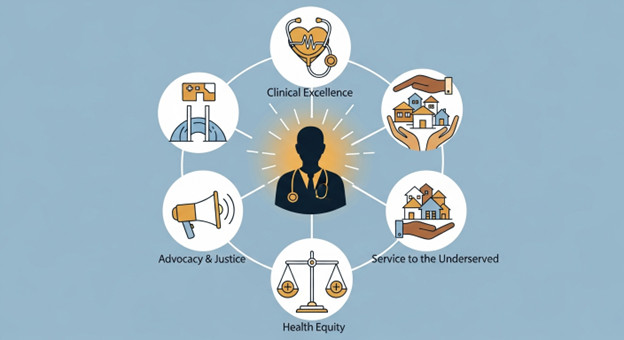
To truly succeed in the admission process at Meharry Medical College, one must deeply understand and resonate with its distinct identity and core values. This understanding extends beyond superficial knowledge to an intrinsic alignment with the institution’s historical purpose and future aspirations.
More Than a Medical School: A Vision for Health Equity
At its heart, Meharry Medical College is driven by a transformative vision for health equity. This vision is not simply an addendum to its educational mission but its very raison d’être. The institution is dedicated to increasing the number of physicians who are prepared to serve all populations, with a particular emphasis on those who are underserved, marginalized, or belong to minority groups. This commitment is reflected in the caliber of students it seeks – individuals who demonstrate a profound understanding of social determinants of health and a proactive desire to dismantle systemic inequities in healthcare. Meharry educates and trains future leaders, equipping them with the knowledge, skills, and ethical framework to become agents of change within their communities and the broader healthcare landscape. Prospective applicants are therefore encouraged to reflect on their own experiences and motivations through the lens of health equity, demonstrating how their personal journey has prepared them to contribute to Meharry’s mission.
The Meharry Environment: Nashville and Clinical Opportunities
Located in Nashville, Tennessee, Meharry Medical College offers its students a rich and dynamic environment for both academic and personal growth. The vibrant city of Nashville provides a diverse backdrop, with a growing healthcare sector and a population that reflects a broad spectrum of socioeconomic and ethnic backgrounds. This setting is not incidental; it is integral to the Meharry experience. Meharry leverages its strategic location to provide unparalleled clinical opportunities across a network of affiliated hospitals and community health centers. These partnerships allow students to gain hands-on experience in various healthcare settings, from large urban hospitals to smaller community clinics, often serving diverse patient populations. This exposure is crucial for developing clinical competence, fostering empathy, and solidifying a commitment to primary care and the comprehensive needs of patients. The clinical tapestry of Nashville offers real-world learning experiences that directly align with Meharry’s mission of preparing physicians to serve.
Academic Foundations: Prerequisites and Performance
The journey to admission at Meharry Medical College begins with a strong academic foundation. While Meharry values a holistic approach to evaluating applicants, a solid academic record is a fundamental requirement. Understanding the expectations for prerequisites and performance is key to building a competitive application.
Essential Pre-Medical Coursework: Building a Strong Base
Prospective students aiming for admission to Meharry Medical College’s School of Medicine must complete a rigorous set of pre-medical courses. These prerequisites are designed to ensure that applicants possess the foundational scientific knowledge necessary for the demanding medical curriculum. Core requirements typically include comprehensive coursework in general biology, general chemistry, organic chemistry, and physics. Many applicants also find it beneficial to complete additional science courses, such as biochemistry, genetics, and anatomy, to further strengthen their understanding and preparedness. Beyond these core sciences, a solid grasp of quantitative reasoning and communication skills is also essential, often demonstrated through mathematics and English coursework. For those with a specific interest in research or a deeper understanding of biological processes, advanced biology courses are highly recommended as they can provide a robust base for the scientific inquiry pursued at Meharry.
GPA Averages: Understanding Meharry’s Academic Expectations
When evaluating applications, the Admissions Committee at Meharry Medical College considers academic metrics as a significant component, though not the sole determinant. The median undergraduate GPA for matriculants to U.S. MD-granting medical schools in the 2023-24 academic year was 3.84 AAMC, December 2023. While specific GPA thresholds for admission are not typically published by Meharry, aspiring students should aim for a GPA that reflects strong academic performance, ideally above the national median for matriculants. However, it is crucial to remember that Meharry employs a holistic review process. This means that while a high GPA is advantageous, the Admissions Committee also seeks to understand the context behind your academic record. Factors such as the rigor of your coursework, your performance trends, and any extenuating circumstances that may have affected your GPA are all taken into consideration. Demonstrating resilience and academic growth, even if your GPA is not at the highest end of the spectrum, can significantly strengthen your application.
The MCAT: Strategic Preparation for Your Test Score
The Medical College Admission Test (MCAT) is a standardized examination critical for admission to medical schools nationwide, including Meharry Medical College. This comprehensive test assesses scientific knowledge, critical thinking, and problem-solving skills essential for medical studies. The average MCAT score for matriculants in the 2025-26 academic year was 512.1 AAMC, December 2025. While Meharry considers the MCAT as part of its holistic review, a competitive score is vital for increasing your chances of acceptance. Strategic preparation is key. This involves understanding the exam’s structure, content areas, and question types. Dedicated study plans, practice tests, and potentially review courses can help students maximize their performance. It is advisable to take the MCAT well in advance of the application deadlines to allow ample time for score reporting and, if necessary, retaking the exam. A strong MCAT score, coupled with a robust GPA, demonstrates your readiness for the academic rigors of the Meharry School of Medicine.
Building a Meharry-Aligned Application: A Strategic Blueprint
Crafting an application for Meharry Medical College is an exercise in authenticity and strategic storytelling. It’s about more than just fulfilling requirements; it’s about showcasing how your experiences, values, and aspirations align with Meharry’s enduring mission of service and health equity.
Healthcare Experience: Demonstrating Commitment to Service
Meaningful healthcare experience is a cornerstone of any medical school application, and at Meharry, it takes on a particular significance. The Admissions Committee looks for evidence of your sustained commitment to understanding and serving diverse patient populations, especially those who are underserved. This can manifest in various ways: shadowing physicians in different clinical settings, volunteering at hospitals or clinics, engaging in patient advocacy, or participating in medical mission trips. The depth and consistency of your involvement are often more important than the breadth of different experiences. What did you learn from these encounters? How did they shape your understanding of patient care, the challenges faced by vulnerable communities, and your own motivation to become a Physician? Meharry seeks students who can articulate how their healthcare experiences have solidified their desire to contribute to health equity and who can demonstrate a compassionate, patient-centered approach.
Research, Leadership, and Community Engagement: Beyond the Clinical
While clinical experience is crucial, Meharry Medical College also values a well-rounded applicant who has demonstrated initiative, intellectual curiosity, and a commitment to their community outside of formal healthcare settings. Engaging in research can showcase your analytical skills and passion for scientific inquiry. Meharry may particularly value research that addresses health disparities or investigates conditions prevalent in underserved populations. Developing leadership skills is also essential. This can be demonstrated through roles in student organizations, community initiatives, or professional settings where you’ve taken responsibility, motivated others, and made a tangible impact. Furthermore, sustained community engagement—whether through volunteering, mentorship, or advocacy—underscores your commitment to service beyond the confines of a medical university or hospital. These experiences collectively paint a picture of a driven, engaged individual prepared to contribute to the diverse fabric of the Meharry student body and its mission.
The Personal Statement: Crafting Your “Why Medicine, Why Meharry”
Your personal statement is arguably the most critical component of your application to Meharry Medical College. It is your opportunity to articulate your unique story, your motivations for pursuing medicine, and, crucially, your alignment with Meharry’s mission. The prompt often boils down to “Why Medicine, Why Meharry?” You must convey not only your passion for the medical profession but also a deep understanding of what makes Meharry the ideal place for you to pursue this path. Draw upon your experiences—your academic journey, your encounters in healthcare, your community involvement, and any personal challenges you have overcome—to craft a compelling narrative. Authenticity is paramount. Share your genuine aspirations, your commitment to service, and your vision for how you will contribute to health equity. Show, don’t just tell, why Meharry’s legacy and values resonate with you on a personal level.
The Secondary Application and Essays: Deepening Your Narrative
Following your primary application, Meharry Medical College will likely request a secondary application, which typically includes several essays. These essays provide an opportunity to delve deeper into specific aspects of your profile and further demonstrate your fit with the institution. While prompts can vary, they often focus on your understanding of Meharry’s mission, your experiences with underserved populations, your perspectives on diversity, and your contributions to your community. Use these essays to expand upon the narrative you began in your personal statement. Be specific, thoughtful, and honest. Connect your experiences directly to the values and goals of Meharry. This is where you can elaborate on how your background, experiences, and future ambitions align with the college’s commitment to service, health equity, and the development of compassionate Physicians.
Letters of Recommendation: Strategic Selection and Preparation
Letters of recommendation are vital endorsements of your character, academic abilities, and potential for success in medical school. For admission to Meharry Medical College, it is essential to select recommenders who know you well and can speak specifically to your strengths, your commitment to service, and your alignment with Meharry’s mission. Ideally, you should seek letters from faculty members who have taught you in science courses, mentors who have supervised your research or clinical experiences, or supervisors from significant volunteer or leadership roles. Provide your recommenders with ample time to write their letters and supply them with relevant materials, such as your CV or resume, your personal statement, and any specific prompts or information about Meharry and its mission. This preparation will help them craft more detailed and impactful letters that can significantly bolster your application.
Addressing Challenges and Demonstrating Resilience
The path to medical school is rarely without its obstacles, and Meharry Medical College acknowledges the importance of resilience and perseverance. The Admissions Committee is interested in how you have navigated challenges, learned from adversity, and grown as an individual. Whether you have faced academic setbacks, personal hardships, or unforeseen circumstances, your ability to address these challenges with maturity and a proactive mindset can be a significant strength in your application. Use your personal statement, secondary essays, or even an addendum to discuss how you have overcome these difficulties. Focus on what you learned from the experience, how it shaped your perspective, and how it has ultimately prepared you for the rigors of medical school and your future role as a Physician. Demonstrating resilience showcases your determination and your capacity to succeed even in demanding situations, qualities highly valued by Meharry.
The Meharry Interview: Making Your Best Impression
The interview stage of the admission process at Meharry Medical College is a crucial opportunity to engage directly with the Admissions Committee and further showcase your qualifications and fit with the institution. It is a chance to articulate your passion and demonstrate that you embody the values and mission that Meharry holds dear.
Understanding Meharry’s Interview Format and Expectations
While the specific format of the interview process at Meharry Medical College may evolve, it is generally designed to assess a range of qualities beyond academic merit. Applicants can typically expect a structured interview process that may include traditional one-on-one interviews with faculty members or members of the Admissions Committee, or it could involve Multiple Mini Interviews (MMIs). MMIs present candidates with a series of short, timed stations, each featuring a unique scenario or question designed to assess critical thinking, communication skills, ethical reasoning, and suitability for a career in medicine. Regardless of the format, the underlying expectation is for applicants to demonstrate self-awareness, maturity, empathy, and a genuine understanding of and commitment to Meharry’s mission of service and health equity.
Preparing for Mission-Aligned Questions
During your interview at Meharry Medical College, expect questions that probe your understanding of the institution’s core values and your alignment with them. Prepare to discuss your motivations for pursuing medicine specifically at Meharry, your thoughts on health disparities, and how you envision yourself contributing to underserved communities as a Physician. Questions might include: “Why did you choose to apply to Meharry?”, “Describe a time you worked with an underserved population,” or “What does health equity mean to you?” Reflect on your personal statement and secondary essays, and be ready to elaborate on your experiences and insights. Demonstrating genuine interest, thoughtful reflection, and a clear articulation of your commitment to service will be key. Understanding the history and ongoing work of Meharry in addressing critical health issues will also be beneficial.
What to Expect and How to Shine on Interview Day
On interview day at Meharry Medical College, professionalism, preparedness, and authenticity are paramount. Dress in professional attire, arrive punctually, and conduct yourself with courtesy and respect. Beyond the formal interview questions, your interactions with staff, other candidates, and anyone you encounter contribute to the overall impression you make. Be prepared to discuss your application in detail, including your experiences, your strengths, and your weaknesses. Practice articulating your thoughts clearly and concisely. Most importantly, let your genuine passion for medicine and your commitment to Meharry’s mission shine through. Be yourself, engage thoughtfully in conversations, and ask insightful questions about the School of Medicine, its curriculum, and student life. A well-prepared and authentic candidate who demonstrates a clear alignment with Meharry’s values has an excellent chance of making a memorable and positive impression.
Navigating Tuition, Financial Aid, and Scholarships
The pursuit of a medical education is a significant financial undertaking. Meharry Medical College is committed to making its exceptional education accessible to aspiring students, offering various avenues for financial assistance. Understanding the cost of attendance and exploring available aid and scholarship opportunities is a crucial part of the admission journey.
Understanding Meharry’s Cost of Attendance
The cost of medical school is substantial, and graduates often carry significant debt. The median medical school debt for graduates in 2023 was $200,000 Bestcolleges.com, March 2024. Meharry Medical College, like other private medical schools, has a comprehensive cost of attendance that includes tuition, fees, room and board, books, supplies, and living expenses. Prospective students are strongly encouraged to visit the official Meharry website for the most current and detailed information regarding tuition and fees for the upcoming academic year. Understanding these costs upfront is essential for financial planning and for navigating the various aid options available to support your education.
Exploring Financial Aid and Scholarship Opportunities
Meharry Medical College is dedicated to supporting its students through robust Financial Aid and Scholarship programs. A significant portion of students at Meharry receive financial assistance to cover their educational expenses. The first step for all applicants seeking aid is to complete the Free Application for Federal Student Aid (FAFSA). This application determines eligibility for federal loans and grants. In addition to federal aid, Meharry offers institutional aid, which may include scholarships specifically for students who demonstrate academic merit, financial need, or a commitment to service, aligning with the college’s mission. Prospective students should actively research and apply for all available scholarships, both internal and external. These scholarships can significantly alleviate the financial burden of medical school, allowing you to focus on your studies and your future as a Physician.
Beyond Acceptance: Your Journey as a Meharry Medical Student
Gaining acceptance into Meharry Medical College is a momentous achievement, marking the beginning of a transformative journey. The experience at Meharry is designed to foster not only academic excellence but also personal growth, a deep sense of community, and an unwavering commitment to service.
The Meharry Experience: Curriculum, Research, and Student Life
The curriculum at Meharry’s School of Medicine is rigorous and comprehensive, designed to provide students with a strong foundation in the basic sciences and clinical medicine. It is delivered through innovative teaching methods that encourage critical thinking and problem-solving. Beyond the classroom, Meharry offers ample opportunities for research, allowing students to engage in cutting-edge scientific inquiry, often with a focus on health disparities and community health. Student life at Meharry is vibrant and supportive. You will join a diverse community of driven individuals, forming lifelong bonds with classmates and mentors. Numerous student organizations, interest groups, and community outreach programs provide avenues for personal development, networking, and contributing to the Nashville community. The Meharry environment fosters a sense of belonging and shared purpose, preparing you to become a well-rounded and compassionate Physician.
Residency Match Success and Future Impact
Graduates of Meharry Medical College consistently achieve success in the competitive residency match, securing positions in highly sought-after programs across the nation. This success is a testament to the quality of education, the clinical training, and the unique preparation they receive. Meharry physicians are highly regarded for their clinical skills, their dedication to patient care, and their commitment to serving diverse populations. The Physician-advocate training instilled at Meharry empowers graduates to make significant contributions in primary care, specialty medicine, public health, and medical education. Whether they return to serve underserved communities, engage in groundbreaking research, or lead healthcare initiatives, Meharry alumni embody the college’s legacy of service and are at the forefront of advancing health equity.
Your Path to Becoming a Meharry Physician
The journey to becoming a Physician at Meharry Medical College is one of purpose, dedication, and profound impact. From understanding the core mission of service and health equity to meticulously crafting your application, preparing for the MCAT, and demonstrating your commitment through experiences, every step is designed to identify individuals who will uphold and advance Meharry’s legacy. The Admissions Committee seeks not only academic excellence but also a genuine passion for serving others and addressing the critical healthcare needs of our society. Embrace the unique environment of Nashville, leverage the extensive clinical and research opportunities, and articulate your personal story with authenticity. By demonstrating a clear alignment with Meharry’s values, you position yourself for acceptance and for a rewarding career dedicated to making a difference.
Conclusion
Navigating the admissions process for Meharry Medical College is a journey that requires dedication, introspection, and a clear understanding of the institution’s unique mission. As highlighted throughout this guide, Meharry stands apart as a historic institution deeply committed to service and health equity, seeking students who not only possess strong academic foundations, including solid Biology coursework and competitive MCAT scores, but also a profound desire to serve underserved communities. The comprehensive nature of the application, from the essential pre-medical coursework and GPA to the crucial elements of healthcare experience, research, leadership, compelling personal statements, and strategic letters of recommendation, all serve to illustrate an applicant’s alignment with Meharry’s core values.
The interview process further allows prospective students to demonstrate this alignment directly to the Admissions Committee, showcasing their readiness to become Physicians who embody advocacy and compassionate care. It is vital to remember that while academic metrics are important, Meharry employs a holistic review, valuing resilience, unique experiences, and a genuine commitment to its mission. Understanding the financial landscape, including tuition, Financial Aid, and Scholarships, is also a critical step for aspiring medical students. Ultimately, Meharry Medical College offers more than just medical education; it offers a pathway to becoming a transformative leader in healthcare. By meticulously preparing each component of your application and genuinely connecting with Meharry’s enduring legacy, you can successfully embark on your path to becoming a Meharry Physician.
Frequently Asked Questions About Meharry Medical College
1. What GPA do you need to get into Meharry Medical College?
The average GPA of enrolled students at Meharry Medical College is approximately 3.58, with a median matriculant GPA of 3.65. While there is no published minimum, applicants below a 3.4 GPA face a significantly steeper challenge given the school’s highly competitive applicant pool. Demonstrating a strong upward academic trend can partially offset a lower cumulative GPA.
2. What MCAT score is needed for Meharry Medical College?
The average MCAT score among Meharry matriculants is 504. An MCAT of 509 or higher places an applicant in the top 25% of matriculants and is considered competitive. Because Meharry evaluates candidates holistically, a strong commitment to health equity and service to underserved communities can complement a score in the 500–508 range.
3. What is Meharry Medical College’s acceptance rate?
Meharry Medical College’s acceptance rate is approximately 1.45% for the most recent admissions cycle. The school received roughly 7,949 applications and enrolled a class of 115 students. This makes Meharry one of the more selective medical schools in the United States, despite—and partly because of—its distinctive mission-driven focus.
4. How many people apply to Meharry Medical College each year?
Approximately 7,949 applicants applied to Meharry Medical College in a recent admissions cycle. Of those, 115 students ultimately matriculated, giving the school a highly competitive admit-to-applicant ratio. The large applicant pool reflects both the school’s national reputation and its unique mission serving underrepresented and underserved communities.
5. Does Meharry Medical College accept out-of-state applicants?
Yes, Meharry Medical College accepts the vast majority of its students from out of state. In a recent entering class, 88.7% of matriculants were out-of-state residents, while only 11.3% came from Tennessee. As a private institution, Meharry does not have a statutory in-state preference, making it equally accessible to qualified applicants from across the country.
6. What is the interview format at Meharry Medical College?
Meharry uses a traditional, mission-focused interview format rather than the Multiple Mini Interview (MMI). Invited applicants typically complete two separate 30-minute, one-on-one interviews with faculty members or community physicians, and interviews are open-file, meaning interviewers have full access to the applicant’s AMCAS application. The interview day also often includes a scenario-based breakout exercise and a 30-minute group session with current students.
7. What secondary essays does Meharry Medical College require?
Meharry’s secondary application contains two essay prompts, each with unlimited word space: (1) “Why do you wish to attend Meharry Medical College, School of Medicine?” and (2) “Please describe a personal situation of failure, significant challenge, or a major obstacle that you have overcome—include a description of your coping skills and lessons you learned.” The secondary application fee is $65 and the deadline falls on January 15. Strong essays will explicitly connect the applicant’s values to Meharry’s health equity mission.
8. How much does Meharry Medical College cost?
Annual tuition and fees for the MD program at Meharry Medical College are $66,366 for the 2025–2026 academic year. The estimated total cost of the four-year MD program, including living expenses, is approximately $394,097. Meharry offers financial aid, scholarships, and loan programs; prospective students should contact the Office of Financial Aid early in the application process.
9. What is Meharry Medical College’s HBCU mission and historical significance?
Founded in 1876, Meharry Medical College is the largest private Historically Black College and University (HBCU) health sciences center in the United States and one of the nation’s leading producers of African American physicians and biomedical scientists. Meharry is one of only four HBCUs designated by statute to receive Centers of Excellence Program awards under the Public Health Service Act. Its founding came just 11 years after the Civil War, making it a historically transformative institution that has trained more than 40% of the nation’s Black physicians and dentists over its nearly 150-year history.
10. How does Meharry Medical College train physicians to serve underserved and minority communities?
Meharry’s core mission is the elimination of health disparities through the deployment of a culturally competent workforce, and 80% of its alumni go on to serve in underserved communities. The college’s research programs—including the NIH AIM-AHEAD Southeast Hub, the Center for Genome Research, and the Chan Zuckerberg Initiative Precision Health Partnership—specifically target health disparities affecting minority and rural populations. CASPer is required for all applicants, reflecting the school’s emphasis on the non-cognitive attributes—empathy, ethical reasoning, and professionalism—that are central to serving vulnerable patient populations.