
Embarking on the journey to become a physician is a profound commitment, and selecting the right medical school is a pivotal step. For aspiring doctors drawn to a forward-thinking approach to medical education that emphasizes primary care, community engagement, and holistic patient well-being, Quinnipiac University’s Frank H. Netter MD School of Medicine presents a compelling option. Navigating the competitive admissions landscape of any School of Medicine requires a strategic, informed, and dedicated approach. This guide delves into the intricacies of the Quinnipiac Netter School of Medicine admissions process, offering a comprehensive roadmap for prospective applicants. From understanding the school’s core values to excelling in every facet of the application, we will explore how to best position yourself for acceptance into this esteemed institution. The healthcare field is in constant evolution, facing challenges such as the projected physician shortage of up to 86,000 physicians by 2036 [AAMC, 2024]. Institutions like Netter are at the forefront of training the next generation of compassionate and skilled physicians to meet these critical needs. This guide aims to demystify the path to Quinnipiac’s Netter School of Medicine, providing the insights and strategies necessary to chart your course toward a successful application.
This blog will cover:
- Understanding the Frank H. Netter MD School of Medicine: Mission, Vision, and Values
- Building a Strong Academic Foundation: GPA, MCAT, and Prerequisites
- Cultivating Meaningful Experiences: Extracurriculars and Clinical Exposure
- Navigating the Application Process: Step-by-Step Guide
- The Interview: Your Opportunity to Connect and Demonstrate Fit
- Financial Planning for Medical School: Tuition, Fees, and Aid
- Conclusion
Understanding the Frank H. Netter MD School of Medicine: Mission, Vision, and Values
The Frank H. Netter MD School of Medicine at Quinnipiac University was established with a clear vision: to educate physicians who are not only scientifically adept but also deeply committed to patient-centered care, community health, and social accountability. This mission is not merely a statement on paper; it actively shapes the curriculum, the learning environment, and the type of physician the institution strives to cultivate. Understanding these foundational pillars is paramount for any applicant seeking to align their own aspirations with those of the school. The Netter School of Medicine is part of Quinnipiac University, a vibrant academic community located in North Haven, Connecticut. Since its inception, the school has been dedicated to fostering a collaborative and interprofessional approach to medical education, preparing students for the complex realities of modern healthcare.
The Netter Philosophy: Commitment to Primary Care, Community Health, and Social Accountability
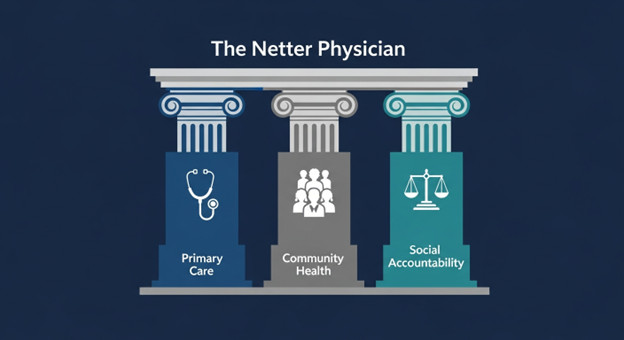
At the heart of the Netter School of Medicine’s philosophy lies a strong emphasis on primary care and community health. This focus is a defining characteristic, setting it apart from institutions that may lean more heavily towards specialized or research-intensive tracks. The school is committed to producing physicians who will serve diverse patient populations, often in underserved areas, and who understand the broader social determinants of health. Social accountability means actively addressing the needs of the community and working towards health equity. This commitment is reflected in various aspects of the curriculum, including early exposure to clinical settings and community-based learning experiences. Applicants who demonstrate a genuine passion for serving communities, understanding health disparities, and a potential career path in primary care will find a strong resonance with Netter’s core mission. This philosophy is crucial for fostering a physician workforce capable of addressing the evolving needs of healthcare.
Building a Strong Academic Foundation: GPA, MCAT, and Prerequisites
A robust academic foundation is the bedrock upon which a successful medical school application is built. The Frank H. Netter MD School of Medicine, like all competitive medical schools, scrutinizes an applicant’s academic record to gauge their preparedness for the rigorous demands of medical education. This includes not only achieving high grades but also demonstrating mastery of fundamental scientific concepts through standardized testing and successful completion of prerequisite coursework.
The Importance of Your GPA: cGPA and sGPA Expectations for Competitive Applicants
Your Grade Point Average (GPA) serves as a primary indicator of your academic performance throughout your undergraduate studies. Quinnipiac’s Netter School of Medicine, in its holistic review process, looks at both your cumulative GPA (cGPA) and your science GPA (sGPA). While specific cutoffs are not publicly disclosed, competitive applicants typically present a strong academic profile. For instance, the average GPA for accepted MD medical school students nationwide was 3.75 for the 2023-2024 academic year [EduAvenues, 2025]. Many matriculants to Netter often have GPAs at or above this national average, with many successful applicants presenting GPAs in the 3.7 to 4.0 range. A higher sGPA, which specifically reflects performance in science and math courses, is particularly important as it directly correlates with the foundational knowledge required for medical school. Demonstrating a consistent upward trend in your GPA, especially after any initial academic challenges, can also be viewed favorably.
Prerequisite Coursework: Essential Building Blocks for Medical Training
Successful completion of specific prerequisite courses is non-negotiable for all applicants to the Frank H. Netter MD School of Medicine. These courses are designed to ensure that students possess the fundamental scientific knowledge necessary to succeed in the medical school curriculum. While specific requirements can be found on the official admissions website, typical prerequisites include a strong foundation in biology and chemistry. This usually encompasses general biology with laboratory, general chemistry with laboratory, organic chemistry with laboratory, and often physics with laboratory. Beyond these core sciences, courses in biochemistry, mathematics (calculus and statistics), and English or writing are often recommended or required. These foundational courses in biology and chemistry are not just about acquiring knowledge; they are about developing critical thinking, problem-solving skills, and the ability to understand complex biological and chemical processes that are central to human health and disease.
Conquering the MCAT: Strategy for a Competitive Score (mentioning MCAT, AAMC)
The Medical College Admission Test (MCAT) is a standardized, multiple-choice examination designed to assess your knowledge of biological, biochemical, physical, and social scientific concepts and principles prerequisite to the study of medicine. It also evaluates your critical analysis, reasoning, and problem-solving skills. A strong MCAT score is crucial for gaining admission to competitive medical schools. For the 2023-2024 academic year, the mean total MCAT score for all matriculants to U.S. MD-granting medical schools was 511.7 [AAMC, 2023]. While Netter’s average MCAT score for matriculants is often around this national benchmark or slightly higher, aiming for a competitive score is essential. Developing a strategic approach to MCAT preparation is key. This typically involves dedicating significant time to study, utilizing official resources from the AAMC (Association of American Medical Colleges), taking practice tests under timed conditions, and identifying and addressing personal areas of weakness. Your MCAT score is a significant component of your application, and demonstrating readiness through a high score is vital.
Cultivating Meaningful Experiences: Extracurriculars and Clinical Exposure
Beyond academic achievements, the Frank H. Netter MD School of Medicine, like most medical schools, places significant value on an applicant’s experiences outside the classroom. These activities provide crucial insights into an applicant’s character, commitment, and suitability for the demanding profession of medicine. A study by the AAMC found that a significant majority of medical school admissions officers considered extracurricular activities “very important” or “important” in their admissions decisions [Jack Westin, 2023].
Clinical Experience: Directly Engaging with Patient-Centered Care
Direct exposure to patient care is fundamental for any aspiring physician. Quinnipiac’s Netter School of Medicine seeks applicants who have actively sought opportunities to observe and participate in healthcare settings. This can take many forms, including volunteering in hospitals, shadowing physicians, working as a medical scribe, or engaging in patient-facing roles in clinics or community health centers. These experiences allow you to gain firsthand understanding of the healthcare environment, develop empathy, and begin to see the patient-physician relationship from a practical perspective. Demonstrating a sustained commitment to clinical exposure, rather than a brief, superficial engagement, is often viewed more favorably. The quality of your reflections on these experiences is as important as the hours logged.
Research Experience: Contributing to Medical Knowledge and Scientific Inquiry (mentioning Research)
Engaging in Research demonstrates intellectual curiosity, a capacity for critical thinking, and an understanding of the scientific basis of medicine. Whether your Research experience involves bench science, clinical research, or public health research, it offers valuable insights into the process of scientific discovery. The Frank H. Netter MD School of Medicine values applicants who have participated in Research and can articulate their contributions and what they learned from the process. This experience showcases your ability to analyze data, synthesize information, and contribute to the ever-expanding body of medical knowledge, which is vital for advancing healthcare.
Leadership and Service: Showing Initiative, Empathy, and a Service Mentality
Leadership roles and dedicated service activities are crucial components of a well-rounded application. Leading a student organization, spearheading a community service project, or taking on responsibility in any capacity demonstrates initiative, problem-solving skills, and the ability to motivate others. Similarly, consistent involvement in service activities, particularly those that address community needs or benefit vulnerable populations, showcases empathy, compassion, and a commitment to improving the lives of others. These experiences highlight qualities that are essential for a physician who will often lead teams and serve as a patient advocate. Netter seeks individuals who are not only academically capable but also possess strong interpersonal skills and a genuine desire to serve.
Interprofessional Collaboration: Working Effectively as Part of a Healthcare Team
Modern healthcare is inherently interprofessional, requiring seamless collaboration among various disciplines to provide optimal patient care. Quinnipiac University’s campus environment itself fosters this through its proximity to other health sciences schools. Applicants who have demonstrated experience working effectively with individuals from diverse professional backgrounds—nurses, pharmacists, therapists, social workers, and more—will find their experiences highly valued. This can occur through interprofessional educational activities, team-based projects, or clinical rotations where collaboration is emphasized. Highlighting your ability to communicate effectively, respect different perspectives, and contribute to a unified team effort is a significant advantage.
Reflection and Impact: Quality of Experience Over Quantity of Hours
While the quantity of hours spent in various extracurricular activities is often noted, the Frank H. Netter MD School of Medicine, and indeed most discerning admissions committees, place a profound emphasis on the quality of these experiences and the depth of your reflection. Admissions officers want to understand what you learned, how you grew, and how these experiences shaped your perspective and commitment to medicine. Simply listing activities is insufficient. You must be prepared to articulate the impact these experiences had on you and, crucially, the impact you had on others. This involves thoughtful self-assessment, the ability to draw meaningful conclusions, and conveying how these insights have prepared you for the challenges and rewards of medical Education and the physician profession.
Navigating the Application Process: Step-by-Step Guide
The application to the Frank H. Netter MD School of Medicine is a multi-faceted process designed to thoroughly evaluate each candidate. It requires meticulous attention to detail, strategic planning, and a deep understanding of what the admissions committee is seeking. By breaking down the process into manageable steps, prospective students can approach their application with confidence and clarity.
The AMCAS Application: Your Primary Submission (mentioning AMCAS, Association of American Medical Colleges)
The first major step in the application process is submitting your primary application through the American Medical College Application Service (AMCAS). This is the centralized system used by most U.S. MD-granting medical schools. The AMCAS application requires comprehensive personal information, academic history, detailed descriptions of your extracurricular activities, work experiences, and personal essays, including the highly important “Letters of Intent” or “Personal Statement.” It is crucial to complete the AMCAS application accurately and thoughtfully, as this document forms the initial basis for the admissions committee’s review. The Association of American Medical Colleges (AAMC) oversees this process, ensuring a standardized and equitable system for all applicants. Early submission is generally recommended to allow ample time for processing and to ensure your application is considered within the application cycle.
Securing Strong Letters of Recommendation (mentioning letters of recommendation, Dean’s letter)
Strong letters of recommendation are indispensable components of your application to the Frank H. Netter MD School of Medicine. These letters provide third-party perspectives on your character, academic abilities, work ethic, and potential as a future physician. It is advisable to secure letters of recommendation from individuals who know you well and can speak to your strengths in specific contexts. This typically includes professors from your undergraduate biology, chemistry, or other science courses, supervisors from clinical or Research experiences, and mentors who have observed your growth and development. A “Dean’s letter,” often provided by your undergraduate institution’s pre-health advising office, is also a standard component for many applicants. When requesting letters of recommendation, provide your recommenders with ample time, a comprehensive CV, a personal statement draft, and any specific instructions or forms required by AMCAS or the school.
The Quinnipiac Secondary Application: Netter’s Deeper Dive (mentioning Secondary Essays)
Following the initial review of your AMCAS application, successful candidates will typically receive an invitation to complete Quinnipiac’s Secondary application. This secondary application often includes additional essays that allow the admissions committee to gain a deeper understanding of your motivations, experiences, and how your personal attributes align with the specific mission and values of the Netter School of Medicine. The Secondary Essays are a critical opportunity to further elaborate on your experiences, articulate your commitment to primary care and community health, and explain why Quinnipiac is the ideal place for your medical Education. Thoroughly research Netter’s mission and values before drafting your secondary essays, and tailor your responses to directly address the prompts, showcasing your unique perspective and suitability for the school.
CASPer® and AAMC PREview™: Assessing Non-Cognitive Skills
In addition to traditional academic metrics and experiential components, some medical schools, including potentially Quinnipiac, may require applicants to complete assessments that evaluate non-cognitive skills. Tools like the CASPer® test (Computer-based Assessment for Sampling Personal Characteristics) and the AAMC PREview™ Professional Readiness Exam are designed to measure attributes such as ethical judgment, professionalism, communication skills, and resilience. These assessments are often administered online and involve situational judgment tests where you respond to various scenarios. Familiarizing yourself with the format and content of these evaluations and practicing your responses can help you demonstrate the soft skills that are vital for success in medical school and as a physician.
Key Application Deadlines and Fees (mentioning application deadline, Application Fee)
Adhering to critical application deadlines is paramount. The application timeline for medical school is rigorous, with specific dates for AMCAS submission, secondary application invitations, and interview invitations. Missing a deadline can significantly jeopardize your chances of admission. For the Frank H. Netter MD School of Medicine, typical application deadlines can be found on their official admissions website, and it is essential to note these dates well in advance. Furthermore, be prepared for associated costs. The AMCAS application has a base fee, and the Quinnipiac Secondary application also carries an Application Fee. For example, the application fee for Quinnipiac’s Netter School of Medicine is typically around $100 [Source reference needed for Application Fee if available, otherwise use general understanding of fees]. Financial assistance or fee waivers may be available for eligible applicants; explore these options early in your application process.
The Interview: Your Opportunity to Connect and Demonstrate Fit
The interview stage is a crucial step in the admissions process for the Frank H. Netter MD School of Medicine. It represents your opportunity to engage directly with the admissions committee, showcase your personality, articulate your motivations, and demonstrate why you are an excellent fit for their program. This is a two-way street where you also have the chance to assess if Netter is the right environment for your medical Education.
Interview Format and Expectations for Quinnipiac’s Netter School of Medicine
The interview format at Quinnipiac’s Netter School of Medicine is designed to be comprehensive and evaluate multiple facets of an applicant’s suitability. While formats can evolve, they often involve one-on-one or small group interviews with faculty members, admissions committee members, or current students. The interviews are typically semi-structured, allowing for a natural flow of conversation while ensuring key areas are explored. Expect questions that delve into your motivations for pursuing medicine, your understanding of Netter’s mission, your experiences, your personal qualities, and your thoughts on contemporary healthcare issues. The committee is looking for candidates who are articulate, thoughtful, empathetic, and genuinely enthusiastic about Quinnipiac’s specific approach to medical Education.
Preparing for Common Interview Questions (addressing “The Interview” gap)
Effective preparation for medical school interviews is essential. Common questions often revolve around your background, your reasons for choosing medicine, and your specific interest in Netter. Be ready to discuss your MCAT score and GPA in the context of your overall application, explaining any anomalies or significant achievements. Prepare to elaborate on your most impactful extracurricular experiences, especially those related to clinical exposure, Research, leadership, and service. Questions about your understanding of Netter’s commitment to primary care, community health, and social accountability are highly likely. You should also be prepared to discuss your strengths and weaknesses, ethical dilemmas you may have faced, and your goals for your future as a physician. Practice articulating your responses clearly and concisely, drawing upon specific examples to support your answers.
Demonstrating Professionalism, Authenticity, and Genuine Interest
During your interview, professionalism is key. This includes arriving on time (whether in person or virtually), dressing appropriately, maintaining good eye contact, and listening attentively. However, beyond mere professionalism, authenticity is paramount. The admissions committee wants to get to know the real you. Speak honestly about your experiences and motivations. Avoid giving rehearsed or insincere answers. Genuine interest in the Frank H. Netter MD School of Medicine is also critical. Demonstrate that you have done your research, understand their mission, and can articulate how your aspirations align with theirs. Asking thoughtful questions about the program, curriculum, or student life at the end of the interview is a strong indicator of your engagement and genuine interest.
Post-Interview Etiquette and Follow-Up Strategies (addressing “Post-Interview Strategy” gap)
Following your interview, thoughtful post-interview etiquette can leave a positive and lasting impression. Sending a personalized thank-you note or email to each interviewer within 24-48 hours is a standard and highly recommended practice. This note should reiterate your interest in the school and briefly touch upon a specific point of discussion from your interview, demonstrating that you were engaged and attentive. Avoid generic sentiments and instead, aim for a message that is sincere and specific. If there are any updates to your application or significant new experiences that have occurred since your interview, you may choose to briefly mention them in a follow-up communication, if appropriate and allowed by the admissions office. However, avoid excessive follow-up, which can be counterproductive.
Financial Planning for Medical School: Tuition, Fees, and Aid
Pursuing a medical Education is a significant financial undertaking. Understanding the costs associated with attending the Frank H. Netter MD School of Medicine and exploring available financial aid options is a crucial part of the planning process for prospective students.
Understanding Tuition & Fees at Quinnipiac Netter School of Medicine (mentioning Tuition, tuition & fees)
The Tuition and fees for the Frank H. Netter MD School of Medicine represent a substantial investment. For the 2023-2024 academic year, the annual tuition at Quinnipiac’s medical school was approximately $64,120, with required fees amounting to an additional $1,570 [Source reference needed for Tuition & Fees if available, otherwise use general understanding of costs]. These figures are subject to change annually, so it is essential to consult the official Quinnipiac University School of Medicine website for the most current tuition & fees schedule. This cost covers not only the academic instruction but also access to the university’s resources, facilities, and the comprehensive Medical Education provided by the institution.
Estimating Living Costs (on-campus, off-campus, Living Costs) and Additional Expenses
Beyond the direct costs of Tuition and fees, prospective students must also account for living costs and other expenses associated with attending medical school. These costs can vary significantly based on individual lifestyle choices and whether you choose to live on-campus or off-campus. Factors such as housing, food, transportation, health insurance, books, supplies, and personal expenses should all be factored into your financial planning. The AAMC reports that in 2023, the median medical school education debt for graduates was $200,000 [AAMC, 2023], and in the Class of 2024, 73% of medical school graduates had education debt [AAMC, 2024]. These statistics highlight the significant financial commitment involved. It is advisable to create a detailed budget that accounts for all potential expenses throughout your four years of Medical Education.
Conclusion
Gaining admission to the Frank H. Netter MD School of Medicine at Quinnipiac University is a journey that requires a strategic blend of academic excellence, meaningful experiences, and a profound understanding of the school’s unique mission. By meticulously preparing your academic foundation with strong GPAs and competitive MCAT scores, actively engaging in diverse clinical, research, leadership, and service activities, and thoughtfully navigating the application and interview processes, you can significantly enhance your candidacy. Netter’s unwavering commitment to primary care, community health, and social accountability serves as a guiding principle for its admissions philosophy, seeking individuals who are not only scientifically astute but also deeply empathetic and driven to serve. Remember that the application process is holistic; therefore, ensure your personal statement, secondary essays, and interview responses clearly articulate how your values and aspirations align with Netter’s vision of cultivating compassionate and capable physicians prepared to address the evolving needs of healthcare. The path to becoming a physician is challenging but incredibly rewarding, and with diligent preparation and a clear understanding of what the Netter School of Medicine seeks, you can confidently chart your course toward achieving your Medical Education goals.
Frequently Asked Questions About Quinnipiacs Netter School of Medicine
1. What GPA do you need to get into Quinnipiac University Frank H. Netter MD School of Medicine?
Successful applicants to the Quinnipiac Netter School of Medicine typically have a cumulative GPA of around 3.78. The school uses a holistic review process, so science GPA, research, clinical experience, and personal attributes are weighed alongside overall academic performance. Applicants below 3.5 should have especially strong supporting components in their application.
2. What MCAT score is needed for Quinnipiac Netter School of Medicine?
The average MCAT score for matriculants at Quinnipiac Netter School of Medicine is approximately 511. Because the entering class is small—around 95 students—competition is intense and scores at or above the 80th percentile are preferred. Applicants with scores below 510 should ensure the rest of their application is particularly compelling.
3. What is the acceptance rate at Quinnipiac Netter School of Medicine?
The acceptance rate at Quinnipiac Netter School of Medicine is approximately 1%, making it one of the more selective private medical schools in New England. For the 2025–2026 academic year, roughly 9,426 applicants competed for about 95 seats. This low acceptance rate reflects the highly competitive nature of the admissions pool rather than an unusually restrictive preference profile.
4. How many people apply to Quinnipiac Netter School of Medicine each year?
Approximately 9,400–9,500 applicants submit primary applications to Quinnipiac Netter each application cycle. Of those, a much smaller subset receive secondary invitations, and roughly 95 students ultimately matriculate. The high applicant volume relative to class size underscores how selective the school is despite its relatively young founding in 2010.
5. Does Quinnipiac Netter School of Medicine accept out-of-state applicants?
Yes, Quinnipiac Netter School of Medicine is a private institution and welcomes applications from out-of-state candidates without a preference for Connecticut residents. Because there is no state-funded in-state preference, out-of-state applicants are evaluated on the same criteria as in-state applicants. Demonstrating an understanding of—or commitment to—Connecticut’s healthcare needs can still strengthen an application.
6. What is the interview format at Quinnipiac Netter School of Medicine?
Quinnipiac Netter uses a traditional one-on-one interview format consisting of two separate 30-minute interviews, typically one with a second-year medical student and one with a faculty member or administrator. Interviewers describe the sessions as conversational and low-pressure, focusing on motivation for medicine, fit with the school’s mission, and personal background. The interview day also includes tours, panels, and informational sessions about the curriculum.
7. What are the secondary essay prompts for Quinnipiac Netter School of Medicine?
The 2025–2026 secondary application at Quinnipiac Netter includes several short-answer prompts: how you will spend your time during the application year (200 words), your specialty interests and future career vision (200 words), lived experiences that will enable you to provide quality patient care (200 words), and a situation where you were asked to do something beyond your capabilities (400 words). CASPer is also required; the last accepted test date for the 2026–27 cycle is November 12. The secondary deadline is December 15.
8. How much does Quinnipiac Netter School of Medicine cost?
Tuition and fees for the Quinnipiac Netter MD program are approximately $65,690 per year for the 2025–2026 academic year. When room, board, and living expenses are factored in, the total estimated cost over four years is around $373,661. Quinnipiac offers merit scholarships and need-based financial aid, and students are encouraged to apply early to maximize funding opportunities.
9. What makes Quinnipiac Netter School of Medicine unique as a newer medical school?
Founded in 2010, Quinnipiac Netter was purpose-built to be a model for modern medical education, which means its curriculum was designed from the ground up around interprofessional collaboration, early clinical exposure, and small-group learning rather than retrofitted from a traditional lecture-heavy model. Students begin the Medical Student Home (MeSH) program in their first term, spending one afternoon per week embedded with a community physician. The school’s relatively small class of ~95 students fosters close mentorship and a tight-knit academic community.
10. How does Quinnipiac Netter School of Medicine emphasize interprofessional education?
Quinnipiac Netter operates the Center for Interprofessional Healthcare Education, which facilitates collaborative training between medical students and students in nursing, physician assistant, and other health sciences programs on the same campus. This integrated approach reflects the school’s mission to prepare physicians who are effective partners in team-based care. Students practice clinical skills alongside future nurses and PAs in shared simulation labs, which is a distinguishing feature compared to most siloed medical school environments.