
Charting Your Path to Tulane Med
Embarking on the journey to medical school is a significant undertaking, and for many aspiring physicians, Tulane University School of Medicine stands as a beacon of excellence and opportunity. Situated in the vibrant, culturally rich landscape of New Orleans, Tulane offers a unique educational experience that blends rigorous academic training with a profound commitment to community service and health equity. Gaining admission to such a prestigious institution, however, requires a strategic and comprehensive approach. This guide is meticulously crafted to serve as your ultimate roadmap, demystifying the Tulane medical school admissions process. We will navigate the intricacies of the application, illuminate what makes a Tulane applicant stand out, and provide actionable insights to help you craft a compelling application that reflects your potential and aligns with Tulane’s distinctive mission.
This blog will cover:
- Charting Your Path to Tulane Med
- The Allure of Tulane University School of Medicine: Why New Orleans?
- Decoding the Ideal Tulane Applicant: Beyond the Numbers
- The Application Process: A Step-by-Step Walkthrough
- The Interview: Your Opportunity to Connect
- Navigating Specific Challenges and Strengthening Your Application
- Conclusion: Your Journey to Becoming a Tulane Physician
The Allure of Tulane University School of Medicine: Why New Orleans?
Tulane University School of Medicine is not merely an institution; it is an experience deeply intertwined with its iconic location. The decision to apply to Tulane is often influenced by more than just its academic reputation. The very fabric of New Orleans, with its unparalleled cultural tapestry, unique health challenges, and resilient spirit, shapes the educational environment and the values instilled in its students. Prospective applicants are drawn to Tulane not only for its esteemed faculty and cutting-edge research but also for the opportunity to immerse themselves in a community that actively benefits from and contributes to the medical school’s mission.
Embracing the Spirit of New Orleans: More Than Just a Location
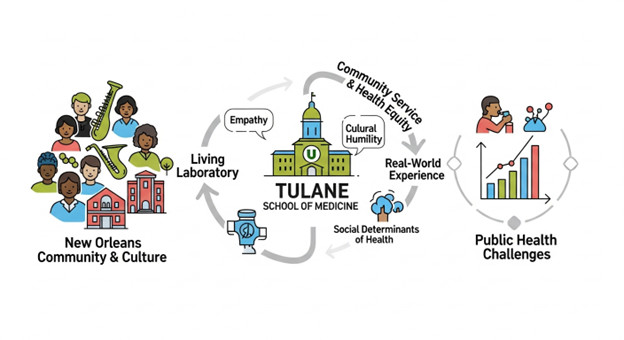
The vibrant energy of New Orleans is a palpable force that permeates Tulane University School of Medicine. This city, known for its resilience, its rich cultural heritage, and its complex public health landscape, offers an unparalleled living and learning laboratory for aspiring physicians. Unlike many other medical schools, Tulane’s integration with New Orleans is not superficial; it is foundational to its identity and its educational philosophy. Students are encouraged to engage deeply with the city’s diverse population, understanding firsthand the social determinants of health that shape the well-being of its residents. From urban underserved communities to unique cultural enclaves, New Orleans presents a dynamic environment where theoretical knowledge is constantly tested and refined against real-world challenges. This direct engagement fosters a profound sense of empathy, cultural humility, and a nuanced understanding of patient care that is difficult to replicate elsewhere. The city’s infectious spirit of community and perseverance serves as a constant inspiration, reinforcing the commitment of Tulane’s students and faculty to making a tangible difference.
“Healing Communities”: Tulane’s Distinctive Philosophy
At the core of Tulane University School of Medicine’s ethos lies the powerful philosophy of “Healing Communities.” This guiding principle transcends mere academic learning; it signifies a deep-seated commitment to improving the health and well-being of the populations it serves, particularly in underserved and vulnerable settings. For Tulane, “healing” extends beyond the individual patient to encompass the broader societal factors that influence health outcomes. This philosophy is woven into the fabric of the curriculum, encouraging students to become not just skilled clinicians but also advocates for health equity and social justice. It means actively seeking opportunities to engage with communities, understanding their unique needs, and developing sustainable solutions to healthcare disparities. Prospective applicants are evaluated on their demonstrated commitment to this principle, looking for individuals who possess a genuine passion for service, a capacity for empathy, and a drive to address the root causes of illness within communities. This distinctive approach prepares graduates to be compassionate leaders who are equipped to tackle the complex health challenges of the 21st century.
Specialized Programs and Opportunities
Tulane University School of Medicine offers a diverse array of specialized programs and opportunities designed to cater to the varied interests and career aspirations of its students. Beyond the traditional MD curriculum, applicants can explore dual-degree programs that broaden their expertise and impact. The MD/MBA program equips students with the business acumen necessary for healthcare leadership and administration, while the MD/MPH program allows for an in-depth focus on public health principles, epidemiology, and community health initiatives, directly aligning with the “Healing Communities” mission. For those drawn to foundational science and its application in medicine, specialized tracks or opportunities for research in areas such as Biochemistry and Anatomy are abundant. Furthermore, Tulane’s strong emphasis on research provides a fertile ground for students interested in pursuing an MD/PhD, paving the way for careers in academic medicine and groundbreaking scientific discovery. These specialized pathways underscore Tulane’s commitment to fostering well-rounded physicians who are prepared for diverse roles within the medical field and beyond.
Cutting-Edge Facilities and Research Opportunities
Tulane University School of Medicine is at the forefront of medical innovation, boasting state-of-the-art facilities and a robust research enterprise. The school is home to numerous research centers and laboratories dedicated to advancing knowledge across a wide spectrum of medical disciplines. From infectious diseases and cancer biology to neuroscience and cardiovascular health, Tulane’s faculty are engaged in pioneering research that has a direct impact on patient care and public health. Students have unparalleled opportunities to participate in this research, working alongside distinguished faculty members and contributing to groundbreaking studies. Whether it’s delving into the complexities of Biochemistry, unraveling the intricacies of Anatomy, or exploring the nuances of patient behavior through Psychology research, there are avenues for every student’s scientific curiosity. These research experiences not only enhance a student’s understanding of medicine but also develop critical thinking, problem-solving skills, and a commitment to evidence-based practice, all of which are essential for future physicians. The integration of advanced technology and a collaborative research environment ensures that Tulane students are prepared to lead in the evolving landscape of medical science.
Decoding the Ideal Tulane Applicant: Beyond the Numbers
Tulane University School of Medicine employs a holistic review process, meaning that while academic metrics are important, they are only one piece of the puzzle. The admissions committee seeks to identify individuals who possess a unique blend of intellectual curiosity, compassion, resilience, and a demonstrated commitment to service, particularly within underserved communities. Understanding what constitutes the “ideal” Tulane applicant involves looking beyond just GPA and MCAT scores to evaluate the depth and breadth of experiences, personal qualities, and the applicant’s alignment with the school’s mission. This section delves into the key components that contribute to a compelling application, offering insights into how to showcase your strengths effectively.
Academic Requirements and Expectations
A strong academic foundation is undeniably crucial for success at Tulane University School of Medicine. The school expects applicants to have demonstrated excellence in their undergraduate studies, particularly in science coursework. While specific GPA and MCAT score averages serve as benchmarks, it is important to understand that Tulane utilizes a holistic review, meaning these numbers are considered alongside other critical aspects of your application. Applicants typically have GPAs in the mid-to-high 3.0s and competitive MCAT scores, often in the 510+ range, reflecting the demanding nature of medical school curriculum. Essential foundational knowledge in areas such as Biochemistry, Anatomy, Mathematics, and Psychology is highly valued, as these subjects provide the bedrock for understanding complex physiological and pathological processes. A robust understanding of Biochemistry is critical for comprehending cellular functions and metabolic pathways, while a strong grasp of Anatomy is fundamental for clinical practice. Proficiency in Mathematics underpins statistical analysis and critical appraisal of research. Furthermore, an understanding of Psychology can offer valuable insights into patient behavior, mental health, and the physician-patient relationship. Applicants should strive not only to achieve high grades in these courses but also to develop a deep conceptual understanding that will serve them well throughout their medical education and future practice.
Cultivating Meaningful Experiences
Beyond academic achievements, Tulane University School of Medicine places significant emphasis on the quality and depth of an applicant’s experiences. The admissions committee looks for individuals who have actively sought out opportunities to engage with the world beyond the classroom, demonstrating initiative, compassion, and a genuine understanding of the medical field. Clinical exposure is paramount, providing firsthand experience with patients and the healthcare system. This can range from shadowing physicians in various specialties to volunteering in hospitals or clinics. Research experience is also highly valued, showcasing an applicant’s analytical skills, scientific curiosity, and ability to contribute to medical knowledge. Whether it’s through bench research in fields like Biochemistry or Anatomy, or clinical research involving patients, such experiences demonstrate a commitment to scientific inquiry. Leadership roles in extracurricular activities or community organizations highlight an applicant’s ability to inspire others and manage responsibilities. Crucially, community service, particularly engagement with underserved populations, is a cornerstone of the Tulane application. This demonstrates an applicant’s alignment with the “Healing Communities” philosophy and their commitment to addressing health disparities. Experiences should be thoughtfully selected to reflect personal growth, develop specific skills, and provide opportunities for introspection and learning.
Essential Personal Qualities: What Tulane’s Holistic Review Seeks
The holistic review process at Tulane University School of Medicine is designed to identify candidates who not only possess the intellectual capacity to succeed but also the essential personal qualities that define an exceptional physician. Beyond academic prowess and varied experiences, Tulane seeks individuals who embody resilience, empathy, critical thinking, and a strong capacity for collaboration. Resilience is key, as the journey through medical school and a career in medicine is demanding. Applicants who can demonstrate they have overcome challenges and learned from adversity are highly regarded. Empathy, the ability to understand and share the feelings of others, is fundamental to patient-centered care; it allows physicians to connect with their patients on a deeper level and provide compassionate support. Critical thinking skills are essential for diagnosing complex conditions, evaluating treatment options, and adapting to new medical knowledge. Furthermore, the collaborative nature of modern healthcare necessitates strong interpersonal skills. Tulane looks for individuals who can work effectively in teams, communicate clearly, and respect diverse perspectives. Ultimately, the admissions committee seeks applicants who exhibit a genuine alignment with Tulane’s mission, particularly its commitment to “Healing Communities,” and who demonstrate the potential to contribute meaningfully to the medical profession and society at large.
The Application Process: A Step-by-Step Walkthrough
Navigating the medical school application process can seem daunting, but by understanding each step and its significance, you can approach it with confidence. Tulane University School of Medicine utilizes the standard application pathway, primarily through the American Medical College Application Service (AMCAS), followed by its own secondary application and the crucial interview stage. This section breaks down the entire process, providing essential details and strategic advice for each component.
Phase 1: The AMCAS Primary Application
The foundation of your application to Tulane University School of Medicine begins with the AMCAS (American Medical College Application Service) primary application. This standardized system allows you to submit your core information to multiple medical schools simultaneously. Completing the AMCAS application thoroughly and accurately is the first critical step. This involves providing detailed biographical information, listing all your undergraduate coursework with corresponding grades, and meticulously documenting your experiences. The “Experiences” section is particularly important, where you will list and describe your most impactful clinical, research, volunteer, and leadership activities. You will also be required to write a Personal Statement, a narrative essay that articulates your motivations for pursuing a career in medicine and highlights key experiences that have shaped your aspirations. Crafting a compelling personal statement that reflects your unique voice and genuine passion is vital. Ensure all information is accurate, complete, and submitted well before the stated deadlines to allow ample time for processing and for medical schools to receive your application.
Phase 2: The Tulane Secondary Application – Your Critical Differentiator
Once Tulane University School of Medicine receives your verified AMCAS application, they will invite a select group of applicants to complete a secondary application. This is your opportunity to personalize your application further and demonstrate your specific interest in Tulane. The secondary application typically consists of several essay prompts designed to assess your fit with the school’s mission, values, and community. These essays are where you can directly address “Why Tulane?” and “Why New Orleans?” Articulate how your experiences, aspirations, and understanding of their “Healing Communities” philosophy align with their specific programs and opportunities. Be specific and genuine in your responses, showcasing not just what you’ve done, but what you’ve learned from your experiences and how those lessons will translate into your contributions at Tulane. Tailor each response to Tulane’s unique context, referencing their faculty, research areas, or community initiatives that particularly resonate with you. Demonstrating a deep understanding of and genuine enthusiasm for Tulane’s specific environment is crucial for setting your application apart.
Letters of Recommendation: Choosing Your Advocates
Letters of recommendation (LORs) play a pivotal role in the Tulane medical school admissions process, offering insights into your character, capabilities, and potential from individuals who know you well. The admissions committee seeks letters that provide a comprehensive and credible assessment of your strengths, weaknesses, and suitability for medical school. It is crucial to select recommenders who have had significant and direct interaction with you, ideally in academic or professional settings relevant to medicine. A common recommendation is to secure a committee letter from your undergraduate institution if available, as these often synthesize evaluations from multiple faculty members. If not, individual letters from professors (especially in science courses like Biochemistry, Anatomy, or Mathematics), research mentors, or supervisors from clinical or volunteer experiences are essential. When requesting letters, provide your recommenders with ample time, a copy of your resume or CV, a draft of your personal statement, and a clear understanding of what Tulane’s mission entails. This will help them write personalized and impactful letters that highlight specific examples of your skills, work ethic, intellectual curiosity, and personal qualities, offering a well-rounded perspective beyond what you can articulate yourself.
The CASPer Test: What It Is and How to Prepare
Tulane University School of Medicine, like many institutions, may utilize the CASPer (Computer-based Assessment for Sampling Personal Characteristics) test as part of its admissions process. CASPer is an online, standardized situational judgment test designed to assess a range of non-cognitive skills and human characteristics that are crucial for success in medical school and as a physician. These include empathy, professionalism, communication, resilience, and ethical decision-making. The test typically involves watching video scenarios and responding to written or video-based prompts within a limited timeframe. Preparation for CASPer involves understanding its format and practicing responses to common scenarios. It’s less about having the “right” answer and more about demonstrating thoughtful consideration, empathy, and a reasoned approach to complex situations. Reviewing Tulane’s specific requirements regarding CASPer is essential, as its use can vary by application cycle. Familiarizing yourself with example questions and practicing your written and verbal communication skills under timed conditions can significantly boost your confidence and performance.
The Green Wave Portal: Tracking Your Application
The Green Wave Portal serves as Tulane University’s online system for managing applications to various programs, including the School of Medicine. After you have submitted your AMCAS primary application and, subsequently, your secondary application, you will likely receive information on how to access and utilize this portal. The Green Wave Portal is your central hub for tracking the status of your application, receiving important communications from the admissions office, and potentially uploading additional documents if requested. It is essential to familiarize yourself with its functionalities and check it regularly for updates. This portal ensures that you are informed about any missing materials, interview invitations, or decisions related to your application. Maintaining an organized approach to your application, including regularly monitoring the Green Wave Portal, demonstrates your professionalism and commitment to the process. It’s a critical tool for staying informed and ensuring that all aspects of your application are accurately processed by Tulane.
The Interview: Your Opportunity to Connect
The interview stage is often the most intimate and revealing part of the admissions process. For Tulane University School of Medicine, the interview serves as a crucial opportunity for the admissions committee to get to know you beyond your application materials and for you to confirm your fit with the institution. This is not merely a test; it’s a conversation designed to assess your personality, your communication skills, your understanding of medicine and Tulane’s mission, and your potential to thrive in their rigorous environment. Preparing adequately is paramount to making a strong, authentic impression.
Preparing for Your Tulane Interview: What to Expect
Interviews at Tulane University School of Medicine are typically conducted in a conversational, non-MMI (Multiple Mini Interview) format. This means you will likely have one or more interviews with faculty members or members of the admissions committee. The goal is to foster a dialogue that allows both parties to assess compatibility. Expect questions that delve into your motivations for pursuing medicine, your understanding of Tulane’s mission and its connection to New Orleans, your experiences highlighted in your application, and your thoughts on current issues in healthcare. You might be asked to elaborate on specific research projects, discuss your leadership experiences, or explain how you’ve handled challenging situations. It’s also common to be asked about your knowledge of the medical field and your awareness of the challenges facing patients and communities. Researching current faculty members, their areas of expertise, and recent school initiatives will provide valuable context and demonstrate your genuine interest. Prepare thoughtful questions to ask your interviewers, which not only shows your engagement but also helps you gather more information to solidify your decision should you be accepted.
Showcasing Your Authentic Self and Fit
The interview is your chance to let your personality shine and demonstrate why you are a strong fit for Tulane University School of Medicine. While preparedness is key, authenticity is paramount. The interviewers are looking for genuine passion, intellectual curiosity, and personal qualities that align with Tulane’s values, particularly its commitment to “Healing Communities.” Speak with conviction about your experiences, articulate your insights, and be honest about your strengths and areas for growth. Connect your personal narrative to Tulane’s specific environment – its rich culture in New Orleans, its research opportunities in fields like Biochemistry and Anatomy, and its dedication to patient care. Show that you have done your homework and understand what makes Tulane unique. Engage actively in the conversation, listen attentively to the questions, and respond thoughtfully. Your ability to communicate clearly, empathetically, and with genuine enthusiasm will speak volumes. Remember, the interview is a two-way street; it’s also your opportunity to assess if Tulane is the right place for you to begin your medical journey.
Post-Interview Strategies: Thoughtful Follow-Up and Managing Expectations
After your interview with Tulane University School of Medicine, it is customary and highly recommended to send a thank-you note. This gesture, typically an email, should be sent within 24-48 hours of your interview. The note should express your gratitude for the interviewer’s time and the opportunity to learn more about Tulane. It’s also a chance to briefly reiterate your strong interest in the medical school and perhaps touch upon a specific point discussed during the interview that resonated with you, demonstrating that you were engaged and thoughtful. Keep the message concise and professional. Regarding managing expectations, understand that the admissions process is lengthy and often involves waiting periods. After submitting your thank-you note, focus your energy on maintaining your academic performance and continuing your meaningful experiences. If your status changes to “waitlisted,” the process for reapplying or expressing continued interest might involve submitting an updated letter of intent, but always follow Tulane’s specific guidance on these matters. Patience and continued dedication are key during this final stage.
Navigating Specific Challenges and Strengthening Your Application
The path to medical school is rarely linear, and many aspiring physicians encounter unique challenges along the way. Tulane University School of Medicine understands that applicants come from diverse backgrounds and may have faced various obstacles. This section provides guidance on how to address potential weaknesses, leverage opportunities like the waitlist, and approach reapplications strategically.
Addressing Academic Discrepancies or Non-Traditional Backgrounds
Tulane University School of Medicine’s holistic review process is designed to accommodate applicants with varied academic histories. If you have academic discrepancies, such as a lower GPA or MCAT score in certain semesters or years, or if you are coming from a non-traditional background (e.g., a different career path, significant time gap between undergraduate studies and application), it is crucial to address these proactively and thoughtfully. Utilize the AMCAS “Letters of Support” section or the Tulane secondary application to provide context. Explain any extenuating circumstances that may have affected your academic performance, such as personal challenges, health issues, or demanding work commitments. Crucially, demonstrate how you have since overcome these challenges and improved your academic performance, perhaps through subsequent coursework, strong performance in graduate programs, or consistent achievement in your professional life. Highlight how your unique background has provided you with valuable perspectives, skills, and resilience that will enrich the Tulane medical school community and contribute to your success as a future physician.
Optimizing Your “Waitlist” Status: Letters of Intent and Continued Engagement
Being placed on the waitlist for Tulane University School of Medicine is not a rejection but an indication that you are a competitive candidate and that the admissions committee wants to keep your application under consideration. To optimize your waitlist status, thoughtful and strategic continued engagement is key. First, confirm your desire to remain on the waitlist and understand Tulane’s specific policies regarding waitlist movement and communication. It is often beneficial to submit a Letter of Intent (LOI) at an appropriate time, reiterating your strong interest in Tulane and highlighting any significant new achievements or experiences since your initial application (e.g., new clinical experiences, research publications, awards, or improved MCAT scores). Avoid inundating the admissions office with frequent, unnecessary contact. Instead, focus on showcasing continued growth and commitment. Maintain a positive outlook and continue to pursue meaningful experiences. Remember that waitlist movement can occur at any point up to the start of the academic year, so patience and persistent, but measured, engagement are crucial.
Reapplying to Tulane: Learning from Past Attempts
For those who need to reapply to Tulane University School of Medicine, the process involves a critical self-assessment and a strategic strengthening of your application. The admissions committee encourages reapplications from candidates who have demonstrated growth and a continued commitment to medicine. The first step is to thoroughly analyze your previous application and understand why you were not accepted. Did you lack sufficient clinical experience? Was your MCAT score not competitive? Were your essays not compelling enough in demonstrating your fit with Tulane’s mission? Seek feedback if possible, though direct feedback can be limited. Use the time between applications to gain relevant experience. This could involve pursuing further clinical exposure, engaging in research (perhaps in areas like Biochemistry or Anatomy), taking on leadership roles, or completing additional coursework to bolster your academic record. When reapplying, address your previous weaknesses directly and explain the steps you’ve taken to improve. Craft new essays that reflect your growth and reiterate your unique qualifications and unwavering interest in Tulane, specifically highlighting how your continued development makes you an even stronger candidate for their esteemed medical school.
Conclusion: Your Journey to Becoming a Tulane Physician
The path to admission at Tulane University School of Medicine is a rigorous yet rewarding endeavor, demanding a blend of academic excellence, profound personal qualities, and a genuine alignment with the institution’s distinctive mission. By approaching the application process with strategic planning, authentic self-expression, and a deep understanding of what makes Tulane unique, you can significantly enhance your chances of success. Remember that Tulane is not just seeking academically proficient students; it is seeking compassionate, resilient individuals committed to the philosophy of “Healing Communities” and eager to contribute to the vibrant fabric of New Orleans. Your journey will involve meticulous preparation of your AMCAS and secondary applications, thoughtful cultivation of meaningful experiences in clinical settings, research, and community service, and a genuine demonstration of your personal qualities during the interview. Embrace the challenges, learn from every step, and let your passion for medicine and service shine through. By focusing on demonstrating your preparedness, your unique perspective, and your unwavering commitment to the values that Tulane upholds, you can embark on a fulfilling journey toward becoming a Tulane physician.
Frequently Asked Questions About Tulane Medical School
1. What GPA do you need to get into Tulane University School of Medicine?
The average undergraduate GPA for matriculants at Tulane University School of Medicine is 3.70. Both science (BCPM) and cumulative GPA matter, and competitive applicants typically present consistent academic performance across all science coursework. Tulane does not publish a minimum GPA cutoff, but applicants below 3.5 face a significantly harder road given the school’s selectivity. A strong upward grade trend can help offset earlier struggles, particularly if paired with a strong MCAT.
2. What MCAT score do you need for Tulane University School of Medicine?
The average MCAT score for the Tulane School of Medicine incoming class is 510. While Tulane does not publish a hard minimum, most successfully interviewed applicants score at or above the 510 threshold. Scoring below 507 makes acceptance increasingly unlikely at a school this competitive. A balanced score across all four sections is preferred over a high total driven by one or two strong sections.
3. What is the acceptance rate at Tulane University School of Medicine?
Tulane University School of Medicine has an acceptance rate of approximately 1.4%, based on 13,814 applications and 190 matriculants in the most recent entering class. Of those who applied, only 594 (about 4.4%) were invited to interview, making the interview itself a significant milestone. The school is highly selective, placing it among the more competitive private medical schools in the United States.
4. How many people apply to Tulane University School of Medicine each year?
Approximately 13,814 applicants submit AMCAS applications to Tulane University School of Medicine each cycle. Of these, roughly 594 are extended secondary application invitations and ultimately interviewed, and 190 students matriculate. The high applicant volume reflects Tulane’s national reputation and the appeal of training in New Orleans, one of the country’s most clinically rich urban environments.
5. Does Tulane University School of Medicine accept out-of-state applicants?
Yes — Tulane is a private medical school and is highly welcoming to out-of-state applicants. In the most recent entering class, 84.7% of matriculants came from outside Louisiana, with only 15.3% being in-state residents. Because Tulane does not receive state funding in the same way public schools do, out-of-state applicants are evaluated on equal footing with Louisiana residents. This makes Tulane one of the most out-of-state-friendly medical schools in the country.
6. What is the interview format at Tulane University School of Medicine?
Tulane uses a traditional (non-MMI) interview format consisting of two blind, informal one-on-one interviews — one with a faculty member or administrator and one with a current TUSOM student. A distinctive feature is a standardized patient exercise in which applicants play the role of a first-year medical student interviewing an actor-patient, testing communication and clinical empathy skills. For the 2025–2026 application cycle, all interviews are conducted virtually. Interviews are described as conversational and low-pressure.
7. What are the secondary essay prompts at Tulane University School of Medicine?
Tulane’s 2025–2026 secondary application ($125 fee, due November 1) includes five short prompts: (1) your reasons for interest in Tulane (150 words); (2) health disparities relevant to the New Orleans patient population and how you would address them as a medical student (150 words); (3) who knows you best and how they would describe you (150 words); (4) leadership positions you have held (100 words); and (5) your hobbies and major non-academic interests (150 words). The New Orleans health disparities prompt is school-specific and requires genuine research into the city’s public health landscape — applicants should address issues like high rates of hypertension, diabetes, HIV, and the legacy of Hurricane Katrina on community health.
8. How much does Tulane University School of Medicine cost?
Tuition and fees for the Tulane School of Medicine MD program are $71,998 per academic year (2025–2026), with an estimated four-year program cost of $399,748 before living expenses and other costs of attendance. Because Tulane is a private institution, this rate applies equally to in-state and out-of-state students. Financial aid, scholarships, and loan programs are available through the school’s financial aid office, and Tulane participates in federal loan programs.
9. Does Tulane University School of Medicine require CASPer?
CASPer is not required at Tulane University School of Medicine, but the school encourages applicants to complete both CASPer and DUET. Applications are reviewed and interview invitations are extended with or without CASPer scores on file. Submitting CASPer results can only help your application by providing an additional data point for the admissions committee, so applicants who have already taken it for other schools should consider sharing their scores with Tulane.
10. What makes Tulane University School of Medicine unique?
Tulane’s location in New Orleans provides unmatched exposure to a complex, underserved urban patient population, including high burdens of hypertension, cardiovascular disease, HIV/AIDS, and the ongoing public health challenges that followed Hurricane Katrina. The school’s mission — “Education, Research and Patient Care: We Heal Communities” — directly reflects this community-focused identity. Tulane also boasts the nationally recognized Tulane National Primate Research Center (supported by a $42 million NIH grant) and has secured over $58 million in NIH centers of excellence funding across hypertension, cancer genetics, regenerative medicine, and translational research. With over 70 departments and research centers, students have broad access to both bench and clinical research from day one.