
Embarking on the journey to become a physician is a monumental decision, one that requires dedication, perseverance, and a deep understanding of the path ahead. For aspiring doctors drawn to the unique landscape and healthcare needs of the Mountain West, the University of Nevada, Reno School of Medicine (UNR Med) offers a compelling and rewarding destination. This comprehensive guide is meticulously crafted to demystify the UNR Med admissions process, offering aspiring students unparalleled insight into what it takes to gain entry into this esteemed institution. We will navigate the intricate requirements, highlight the distinctive opportunities, and provide actionable strategies to help you craft a standout application. From academic foundations to the crucial interview stage, this guide serves as your definitive roadmap to becoming a UNR Med physician, equipped to serve the diverse communities of Nevada and beyond.
This blog will cover:
- Your Path to Becoming a UNR Med Physician
- Discovering UNR Med: Mission, Values, and Unique Strengths
- Laying the Academic Foundation: Prerequisites and GPA Expectations
- Navigating the UNR Med Application Process: A Step-by-Step Walkthrough
- Beyond the Numbers: The Holistic Review at UNR Med
- The Interview Stage: Making Your Impression at UNR Med
- Financial Planning for Your Medical Education
- Conclusion
Your Path to Becoming a UNR Med Physician
The aspiration to practice medicine is driven by a profound desire to heal, innovate, and contribute to human well-being. In the United States, a robust network of medical schools educates the next generation of physicians, each with its own unique mission, curriculum, and admissions philosophy. Among these, the University of Nevada, Reno School of Medicine stands out as a vital institution dedicated to advancing health through education, research, and a deep commitment to serving the state of Nevada. For students seeking a medical education that is both rigorous and mission-driven, understanding the intricacies of UNR Med’s admissions process is paramount. This guide aims to equip you with the knowledge and strategic insights necessary to navigate this competitive landscape effectively.
Welcome to the University of Nevada, Reno School of Medicine
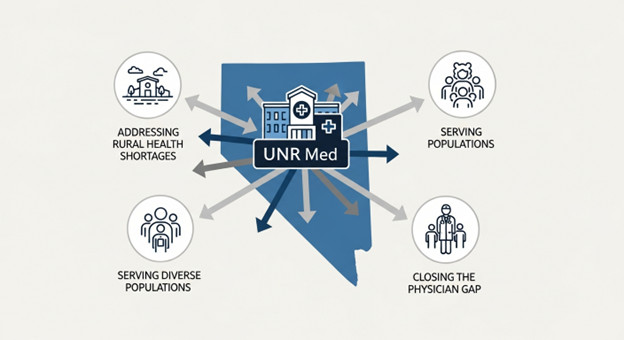
The University of Nevada, Reno School of Medicine, often referred to as UNR Med, is a public medical school located in Reno, Nevada. Established with a vision to address the healthcare needs of Nevada, UNR Med has grown into a respected institution known for its innovative educational programs, burgeoning research endeavors, and strong community engagement. As Nevada’s only public medical school, it plays a critical role in training physicians who are prepared to serve the state’s diverse and growing population, a population that faces significant healthcare challenges. This commitment to state-specific needs shapes its admissions philosophy, prioritizing candidates who demonstrate a genuine interest in contributing to Nevada’s healthcare future.
What This Comprehensive Guide Offers
This guide is designed to be your all-encompassing resource for UNR Med admissions. We understand that the application process can be daunting, filled with numerous requirements and expectations. Our aim is to simplify this complexity by providing a clear, step-by-step walkthrough of each essential component. You will find detailed information on academic prerequisites, standardized testing, the application mechanics, the importance of holistic review, interview preparation, and financial considerations. By demystifying each stage, we empower you to approach your application with confidence, knowing exactly what UNR Med seeks in its future students.
Why UNR Med is a Unique Choice for Aspiring Doctors
Choosing a medical school is a deeply personal decision, and UNR Med presents several unique advantages that set it apart. Its strong emphasis on serving Nevada’s healthcare needs resonates with students passionate about addressing critical public health issues. The school’s location in Reno offers a vibrant living and learning environment, with opportunities for hands-on experience in diverse clinical settings. Furthermore, UNR Med’s commitment to fostering a collaborative and supportive environment ensures that students not only receive a world-class medical Education but also develop into compassionate and skilled physicians ready to make a tangible difference. The school’s growth in research and clinical innovation further positions it as a forward-thinking institution dedicated to improving patient care.
Discovering UNR Med: Mission, Values, and Unique Strengths
Understanding the core identity of any institution is crucial before deciding to commit your future to it. The University of Nevada, Reno School of Medicine is defined by its mission, values, and distinct programmatic strengths, all of which contribute to its unique appeal for aspiring medical students. This section delves into what makes UNR Med a special place to pursue graduate medical Education and how its philosophy translates into a distinctive learning experience.
A Legacy of Excellence and Service: The Heart of UNR Med
The University of Nevada, Reno School of Medicine is built upon a foundation of academic excellence and a profound commitment to service. This dual focus is deeply ingrained in its culture and operations. The institution strives not only to impart cutting-edge medical knowledge and clinical skills but also to instill a strong sense of civic responsibility and community engagement in its students. This ethos is particularly relevant in Nevada, where significant healthcare disparities exist. For instance, over 2 million Nevadans, representing 68.4% of the state’s population, reside in a primary care Health Professional Shortage Area (HPSA) as of May 2024 [University of Nevada, Reno School of Medicine, Nevada Health Workforce Research Center, May 2024]. This statistic starkly illustrates the critical need for physicians within the state, a need that UNR Med aims to address through its graduates. Similarly, in 2023, 92% of rural counties in the U.S. were designated primary care Health Professional Shortage Areas (HPSAs) [Commonwealth Fund, November 2025], highlighting the broader rural health challenges that UNR Med graduates are prepared to confront. The school’s dedication to serving these underserved populations forms the bedrock of its mission.
Distinctive Programs and Focus Areas: Why UNR Med Stands Out
UNR Med distinguishes itself through several key programs and strategic focus areas designed to meet evolving healthcare demands and cultivate specific expertise. The school places a significant emphasis on primary care, reflecting the immense need within Nevada and nationally. The United States is projected to face a physician shortage of up to 86,000 physicians by 2036 [AAMC, March 2024], making the training of primary care physicians more critical than ever. UNR Med’s curriculum is structured to equip students with the broad skill set required for comprehensive patient care. Furthermore, the institution is actively expanding its Research initiatives, focusing on areas relevant to Nevada’s health challenges, such as rural health, neuroscience, and cancer research. These Research opportunities allow students to engage in cutting-edge scientific inquiry, contributing to medical advancements and developing a well-rounded understanding of medical science. The school’s growing presence and influence are also reflected in national trends, such as the increase in Hispanic, Latino, or of Spanish Origin matriculants and American Indian or Alaska Native matriculants in U.S. medical schools [AAMC, December 2023], suggesting a growing commitment to diversity and inclusion.
The UNR Med Advantage: Studying Medicine in Reno
Choosing Reno as the backdrop for your medical education offers a unique set of advantages. The city provides a dynamic environment that balances urban amenities with access to the natural beauty of the Sierra Nevada mountains. For students, this translates into a high quality of life with abundant recreational opportunities. Academically, studying in Reno places students at the heart of Nevada’s healthcare landscape. They gain firsthand exposure to the state’s specific health concerns, including the significant primary care shortages. This proximity to real-world challenges fosters a deep understanding of public health issues and cultivates a strong commitment to serving the community. Nevada currently ranks 45th among U.S. states for active physicians per 100,000 population, 48th for primary care physicians, and 49th for general surgeons [Las Vegas HEALS (referencing 2023 data)], underscoring the immense impact a UNR Med graduate can have. This hands-on experience in addressing local needs is a cornerstone of the UNR Med advantage, preparing students for impactful careers. The healthcare and social assistance sector is also projected to add 1.6 million jobs from 2023 to 2033, accounting for approximately 24% of all new jobs in the U.S. economy [Bureau of Labor Statistics, August 2024], indicating robust career prospects within this field.
Laying the Academic Foundation: Prerequisites and GPA Expectations
A strong academic record is foundational for any medical school application, and UNR Med is no exception. Prospective students must demonstrate a mastery of foundational scientific principles and a commitment to rigorous academic pursuit. This section outlines the essential coursework and GPA expectations that form the bedrock of a competitive application to UNR’s School of Medicine.
Essential Coursework for Aspiring Physicians
While UNR Med does not prescribe an exhaustive list of specific undergraduate majors, it requires completion of a rigorous set of prerequisite courses that ensure students possess the fundamental knowledge necessary for medical study. These typically include comprehensive coursework in biology, chemistry, physics, and mathematics. Essential subjects generally encompass:
- Biology: General biology with laboratory components, often including molecular biology and genetics.
- Chemistry: General chemistry with laboratory components, and organic chemistry with laboratory components.
- Physics: General physics with laboratory components.
- Mathematics: Calculus and/or statistics.
- English/Writing: Courses that emphasize critical thinking and clear communication.
In addition to these core science requirements, UNR Med values a broad understanding of human behavior and societal contexts. Therefore, coursework in subjects such as psychology, sociology, and biochemistry is highly recommended and can significantly strengthen an application. It is crucial for students to confirm the most current prerequisite requirements directly with the UNR Med Admissions Office, as these can be subject to change. The accumulation of these prerequisite credits is a vital step in demonstrating readiness for the demanding curriculum.
Understanding GPA Requirements for a Competitive Application
The Grade Point Average (GPA) is a critical metric used by admissions committees to assess an applicant’s academic performance and ability to handle the rigor of medical school. While UNR Med, like most medical schools, does not typically publish a strict minimum GPA for admission, a highly competitive application generally requires a cumulative GPA of 3.7 or higher. Admissions committees look for consistency and upward trends in academic performance. They also pay close attention to grades in science courses (often referred to as the science GPA or BCPM – Biology, Chemistry, Physics, Mathematics). Maintaining a strong GPA across all undergraduate and any post-baccalaureate or graduate coursework is paramount. Some sources indicate that for the general University of Nevada, Reno undergraduate admissions, a minimum GPA of 3.0 is considered [testbook.com]. However, for the highly competitive School of Medicine, applicants are strongly advised to aim significantly higher than this baseline to be considered competitive. A strong GPA not only signifies academic aptitude but also reflects dedication, time management, and perseverance – qualities essential for success in medical school and beyond.
Standardized Testing: The MCAT Exam’s Role in Admissions
The Medical College Admission Test (MCAT) is a standardized, multiple-choice examination that serves as a crucial component of the medical school admissions process nationwide. Unlike undergraduate admissions at institutions like the University of Nevada, Reno, which may be test-optional for standardized tests like the ACT or SAT [unr.edu/admissions], the MCAT is a mandatory requirement for all applicants to UNR Med. The MCAT assesses your knowledge of scientific concepts and principles, your ability to reason and problem-solve, and your critical thinking and writing skills.
Preparing for the MCAT requires dedicated study over an extended period. Prospective students should aim for a competitive MCAT score that aligns with the academic profile of matriculated students at UNR Med. While specific score breakdowns are not always publicly disclosed, a strong score typically falls within the top percentiles nationally. Applicants are encouraged to research average MCAT scores of admitted students from recent years and to strategize their MCAT preparation accordingly. The exam’s comprehensive nature means that a thorough understanding of biology, chemistry, physics, psychology, and sociology is vital, reinforcing the importance of prerequisite coursework. The MCAT is a significant hurdle, but a strong performance demonstrates your readiness for the intellectual demands of medical school.
Navigating the UNR Med Application Process: A Step-by-Step Walkthrough
Gaining admission to the University of Nevada, Reno School of Medicine involves a multi-stage application process, meticulously designed to evaluate candidates comprehensively. This journey begins with a primary application and progresses through secondary submissions, document requirements, and ultimately, the interview stage. Understanding each step is crucial for presenting a cohesive and compelling application.
The AMCAS Primary Application: Your First Major Step
The Association of American Medical Colleges (AAMC) manages the centralized application service known as the American Medical College Application Service (AMCAS). For most U.S. medical schools, including UNR Med, the AMCAS primary application serves as the initial gateway to the admissions process. This extensive application requires applicants to provide detailed personal information, academic history, significant extracurricular activities, volunteer experiences, research involvement, and clinical exposure.
Crafting your AMCAS application requires careful attention to detail. You will need to list all colleges and universities attended, along with your academic transcripts. The “Work and Activities” section is a crucial space to highlight your experiences, detailing your roles, responsibilities, and the impact you made. This is where you begin to showcase your journey beyond academics, demonstrating your commitment to medicine and your personal growth. It is essential to be thorough and accurate, as this information forms the basis for further review. Remember to budget adequate time for completing this application, as it is a lengthy and detailed document.
UNR Med’s Secondary Application: Demonstrating Your Specific Fit
Once UNR Med receives and verifies your AMCAS primary application, you may be invited to complete their secondary application. This secondary application is specific to UNR Med and is designed to allow applicants to further demonstrate their suitability and alignment with the school’s mission and values. Secondary applications typically consist of a series of essays or short answer questions that delve deeper into an applicant’s motivations, experiences, and understanding of healthcare issues, particularly within Nevada.
These essays are your opportunity to articulate why UNR Med is the right fit for you and, more importantly, why you are the right fit for UNR Med. Questions might explore your understanding of the healthcare challenges facing Nevada, your experiences with diverse populations, your leadership potential, and your reflections on specific experiences that have shaped your desire to pursue medicine. Admissions committees use these responses to assess your communication skills, critical thinking abilities, and how well your personal narrative aligns with the school’s commitment to service, innovation, and community engagement. Tailoring your responses to UNR Med’s specific prompts and mission is paramount for a successful secondary application.
Required Supporting Documents: Transcripts, Letters, and Your Personal Narrative
Beyond the primary and secondary applications, UNR Med requires several supporting documents to complete your application file. These documents provide further context and validation of your qualifications and experiences.
- Transcripts: Official transcripts from all undergraduate and graduate institutions you have attended must be submitted. These documents verify your academic record, course completion, and GPA. Ensuring all institutions are listed and transcripts are sent directly to AMCAS (for the primary) and potentially to the UNR Med admissions office (for the secondary, if requested) is crucial.
- Letters of Recommendation: Strong letters of recommendation are vital for showcasing your character, work ethic, and potential from the perspective of those who know you well. UNR Med typically requires a specific number of letters from sources such as your undergraduate pre-health advisor, science professors who can attest to your academic abilities, and supervisors from clinical or research experiences who can speak to your professional skills and personal attributes. The quality and relevance of these letters significantly influence the admissions committee’s perception.
- Personal Statement: While the personal statement is submitted as part of your AMCAS primary application, its impact extends throughout the entire admissions process. This essay is your opportunity to tell your unique story, explaining your motivations for pursuing medicine, your life experiences that have shaped your aspirations, and your future goals. It should be a compelling narrative that reflects your personality, resilience, and genuine passion for the field.
- Application Fee: A non-refundable application fee is required for both the AMCAS primary application and the UNR Med secondary application. Applicants facing financial hardship may be eligible for fee waivers, which should be explored through the relevant application services.
Key Deadlines and Application Timeline
Adherence to deadlines is non-negotiable in the medical school application process. The UNR Med admissions cycle follows a structured timeline, and missing critical deadlines can significantly jeopardize your application. While specific dates may vary annually, the general timeline is as follows:
- May: AMCAS application opens.
- June: AMCAS applications can be submitted.
- July/August: UNR Med typically begins sending out secondary applications to verified applicants.
- August/September: Recommended submission deadline for the AMCAS primary application.
- September/October: Recommended submission deadline for the UNR Med secondary application and supporting documents.
- September – January: Interview invitations are typically extended.
- October – February: Interviews are conducted.
- February – April: Admissions decisions are released.
- Matriculation: New students typically begin their medical education in late July or early August.
It is imperative to consult the official UNR Med Admissions website for the most accurate and up-to-date application timeline and specific deadlines for the application year you are pursuing. Proactive planning and timely submission are key to a smooth application experience.
Beyond the Numbers: The Holistic Review at UNR Med
The University of Nevada, Reno School of Medicine recognizes that becoming an exceptional physician requires more than just high academic scores. UNR Med employs a holistic review process, meaning they evaluate each applicant as a whole person, considering a wide range of attributes, experiences, and qualities that extend beyond GPA and MCAT scores. This approach ensures that the incoming class is not only academically capable but also possesses the diverse skills, perspectives, and personal attributes necessary to excel in medicine and serve the community effectively.
What Holistic Review Truly Means for Your Application
Holistic review signifies that the admissions committee assesses applicants based on a broad spectrum of criteria, looking for evidence of attributes such as leadership, resilience, communication skills, empathy, commitment to service, and the ability to work effectively in teams. They understand that an applicant’s background, life experiences, and unique perspectives contribute significantly to their potential as a physician and their ability to connect with a diverse patient population. This means that while academic achievements are essential, they are considered alongside other significant factors. UNR Med seeks students who have demonstrated a deep understanding of the medical field, a genuine commitment to helping others, and the personal qualities that will enable them to thrive in a demanding and compassionate profession.
Showcasing Meaningful Experiences: Extracurricular Activities, Research, and Volunteering
The “Experiences” section of your application is where you bring your story to life, showcasing the activities that have shaped you and solidified your commitment to medicine. UNR Med places considerable value on these experiences, looking for depth, commitment, and reflection rather than a superficial list of accomplishments.
- Extracurricular Activities: This includes involvement in clubs, organizations, sports, arts, or any other significant pursuits outside of academics. Leadership roles within these activities are particularly valuable, demonstrating initiative, responsibility, and the ability to work with others. Consistent and long-term involvement in an activity often speaks louder than sporadic participation in many.
- Research: Engaging in Research is highly encouraged. Whether it’s laboratory-based, clinical, or public health Research, demonstrating curiosity, analytical thinking, and a contribution to scientific knowledge is important. Detail your role, the project’s objective, your specific contributions, and any insights gained. Even a foundational understanding of the Research process can be beneficial.
- Volunteering and Clinical Experience: Direct patient contact and understanding the healthcare environment are critical. This can include shadowing physicians in various specialties, volunteering in hospitals or clinics, or participating in community health initiatives. UNR Med, with its mission to serve Nevada, particularly values experiences that demonstrate a commitment to understanding and serving diverse patient populations, including those in underserved areas. The Commonwealth Fund reported in November 2025 that 92% of rural counties in the U.S. were designated primary care Health Professional Shortage Areas (HPSAs) [Commonwealth Fund, November 2025], underscoring the importance of experience in such settings.
When detailing these experiences, focus on quality over quantity. Reflect on what you learned, how you grew, and how these experiences confirmed your desire to pursue medicine.
Crafting a Powerful Personal Statement: Telling Your Unique Story
Your personal statement is a cornerstone of your application, offering a unique window into your motivations, values, and aspirations. It’s your opportunity to connect with the admissions committee on a personal level, moving beyond grades and scores to share your authentic voice and narrative. A compelling personal statement should answer fundamental questions: Why medicine? Why UNR Med? What unique qualities or experiences do you bring?
The best personal statements are reflective, personal, and demonstrate a clear understanding of the medical profession and its challenges. Avoid generic statements and instead, weave a narrative that draws from your life experiences, highlighting moments of realization, growth, and commitment. Consider how your experiences—whether overcoming adversity, engaging in service, or pursuing intellectual curiosity—have shaped your perspective and fueled your passion for medicine. The University of Nevada, Reno School of Medicine is particularly interested in students who understand and are committed to serving the unique healthcare needs of Nevada. Your personal statement is an ideal place to articulate this connection and demonstrate your alignment with the school’s mission.
Securing Strong Letters of Recommendation: Guidance for Impactful Support
Letters of recommendation (LORs) provide essential third-party validation of your capabilities, character, and potential as a future physician. UNR Med requires letters from individuals who can speak authoritatively about your academic aptitude, personal qualities, and commitment to medicine.
To secure impactful letters, begin by identifying potential recommenders who know you well in academic or professional settings and can speak specifically to your strengths. This often includes professors from challenging science courses, your undergraduate pre-health advisor, and supervisors from meaningful clinical or Research experiences. When requesting a letter, provide your recommender with ample time (at least 4-6 weeks’ notice) and supply them with your CV/resume, personal statement, and a list of the schools you are applying to, along with their deadlines. Clearly articulate what aspects of your application you hope they can highlight, such as your intellectual curiosity, problem-solving skills, teamwork abilities, or resilience. Strong letters are detailed, specific, and offer concrete examples of your accomplishments and character, making them invaluable to the holistic review process.
The Interview Stage: Making Your Impression at UNR Med
The interview stage represents a critical juncture in the UNR Med admissions process. It is an opportunity for the admissions committee to gain a deeper understanding of you as an individual beyond your written application, and for you to assess whether UNR Med is the right fit for your aspirations. This reciprocal exchange is designed to evaluate your suitability for medical training and practice.
Invitation to Interview: What It Signifies
Receiving an invitation to interview at the University of Nevada, Reno School of Medicine is a significant achievement. It indicates that your application has passed the initial screening, and the admissions committee has identified you as a promising candidate who warrants further consideration. This invitation suggests that your academic record, experiences, and application materials have demonstrated potential alignment with UNR Med’s values and requirements. It signifies that you have made a strong enough impression to be invited for a personal evaluation, where your personality, communication skills, and overall demeanor will be assessed.
Preparing for Your UNR Med Interview: Formats and Focus Areas
UNR Med, like many medical schools, employs various interview formats, which may include traditional one-on-one interviews, Multiple Mini Interviews (MMI), or a combination of both. The MMI format typically involves a series of short, independent stations, each presenting a unique scenario designed to assess different competencies such as ethical reasoning, problem-solving, communication skills, and self-awareness. Traditional interviews allow for more in-depth conversation on specific aspects of your application.
Thorough preparation is key. Review your own application thoroughly, revisiting your personal statement, essays, and descriptions of experiences. Be prepared to discuss your motivations for pursuing medicine, your understanding of UNR Med’s mission and its role in serving Nevada, and your experiences in depth. Practice articulating your thoughts clearly and concisely. Consider common interview topics such as ethical dilemmas, team dynamics, leadership challenges, and how you handle stress. Researching current healthcare issues, particularly those relevant to Nevada, can also be beneficial. The goal is to demonstrate not only your knowledge but also your maturity, professionalism, and genuine interest in UNR Med.
Campus Visit and Understanding the UNR Med Culture
The interview process often includes an opportunity to visit the UNR Med campus, interact with current students and faculty, and gain a firsthand sense of the school’s environment and culture. This visit is invaluable for both the applicant and the institution. For you, it’s a chance to immerse yourself in the campus atmosphere, observe the learning environment, and ask questions that are important to your decision-making process.
Pay attention to the interactions you witness and experience. Does the environment feel collaborative or competitive? Is there a strong sense of community among students and faculty? How do current students describe their academic and personal lives? These observations can provide critical insights into whether UNR Med aligns with your learning style and personal values. Understanding the UNR Med culture – its emphasis on service, its Research focus, and its commitment to the people of Nevada – is as important as demonstrating your qualifications. This firsthand experience helps solidify your understanding and reinforces your decision to apply, or helps you make an informed choice if accepted.
Financial Planning for Your Medical Education
Pursuing a medical degree is a significant investment, both in terms of time and financial resources. The University of Nevada, Reno School of Medicine, like all medical institutions, involves substantial costs. Prospective students are strongly encouraged to develop a comprehensive financial plan early in the application process to understand the financial commitment and explore available funding options.
Understanding the Costs of a UNR Med Education
The total cost of a medical education at UNR Med encompasses tuition and fees, as well as living expenses, books, supplies, and other personal costs. While tuition rates can vary, the average medical school tuition cost over four years was projected to be $235,827 in 2024 [ProspectiveDoctor, 2024]. This figure highlights the substantial financial undertaking. Prospective students should consult the official UNR Med Admissions website for the most current and detailed breakdown of tuition, fees, and estimated living expenses. Planning for these costs is essential for ensuring that financial considerations do not impede your ability to pursue your medical studies.
Financial Aid and Scholarship Opportunities: Making Medical School Accessible
To help students manage the costs associated with medical education, UNR Med offers a variety of financial aid and scholarship opportunities. These resources are designed to make medical school accessible to qualified students from diverse backgrounds.
Financial aid packages typically include a combination of federal and institutional loans. Students are strongly encouraged to complete the Free Application for Federal Student Aid (FAFSA) as early as possible to determine their eligibility for federal programs. Beyond loans, UNR Med also provides institutional scholarships, grants, and stipends, often based on merit, need, or specific program participation, such as those committed to serving rural or underserved areas of Nevada. The median education debt for graduates of U.S. medical schools (Class of 2024) was $205,000, including premedical education debt [AAMC, October 2024], underscoring the importance of exploring all avenues of financial support. Students should actively research and apply for all available scholarships and aid programs to minimize their reliance on loans and make their medical education more affordable.
Conclusion
Navigating the admissions process for the University of Nevada, Reno School of Medicine is a demanding yet achievable endeavor. This comprehensive guide has illuminated the critical components of a successful application, from laying a strong academic foundation with essential coursework and a competitive GPA to excelling on the MCAT exam. We have detailed the application journey, emphasizing the strategic importance of both the AMCAS primary application and UNR Med’s specific secondary essays, alongside the necessity of compelling transcripts, robust letters of recommendation, and a well-crafted personal statement.
Crucially, we have underscored UNR Med’s commitment to a holistic review process, valuing meaningful experiences in Research, volunteer work, and extracurricular activities that demonstrate leadership, resilience, and a deep commitment to service. Preparing for the interview stage involves understanding UNR Med’s specific formats and articulating your unique fit with the school’s mission, particularly its dedication to serving the healthcare needs of Nevada. With over 2 million Nevadans living in primary care Health Professional Shortage Areas [University of Nevada, Reno School of Medicine, Nevada Health Workforce Research Center, May 2024], the demand for physicians trained by UNR Med is significant. The U.S. faces a projected physician shortage of up to 86,000 by 2036 [AAMC, March 2024], further emphasizing the vital role UNR Med graduates play.
For aspiring physicians, the financial investment in medical Education, estimated at $235,827 over four years on average [ProspectiveDoctor, 2024], necessitates careful planning. Exploring the diverse financial aid and scholarship opportunities available is paramount to making this aspirational career path accessible. The 2024 Main Residency Match saw a record high of 41,503 positions offered [NRMP, June 2024], indicating a robust pipeline for post-graduate training.
Ultimately, a successful application to UNR Med is built on a foundation of academic excellence, demonstrable commitment to service, and a clear understanding of how your aspirations align with the school’s mission to advance health in Nevada and beyond. By leveraging the insights and strategies presented in this guide, you are well-equipped to embark on your path toward becoming a physician with the University of Nevada, Reno School of Medicine.